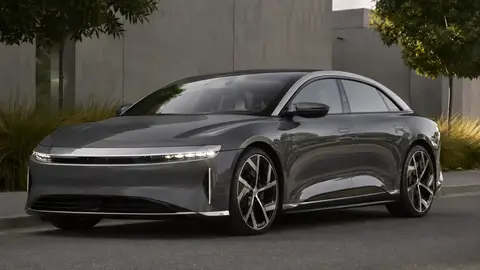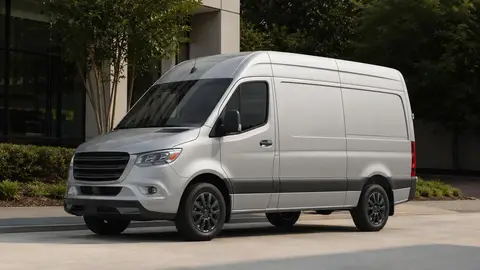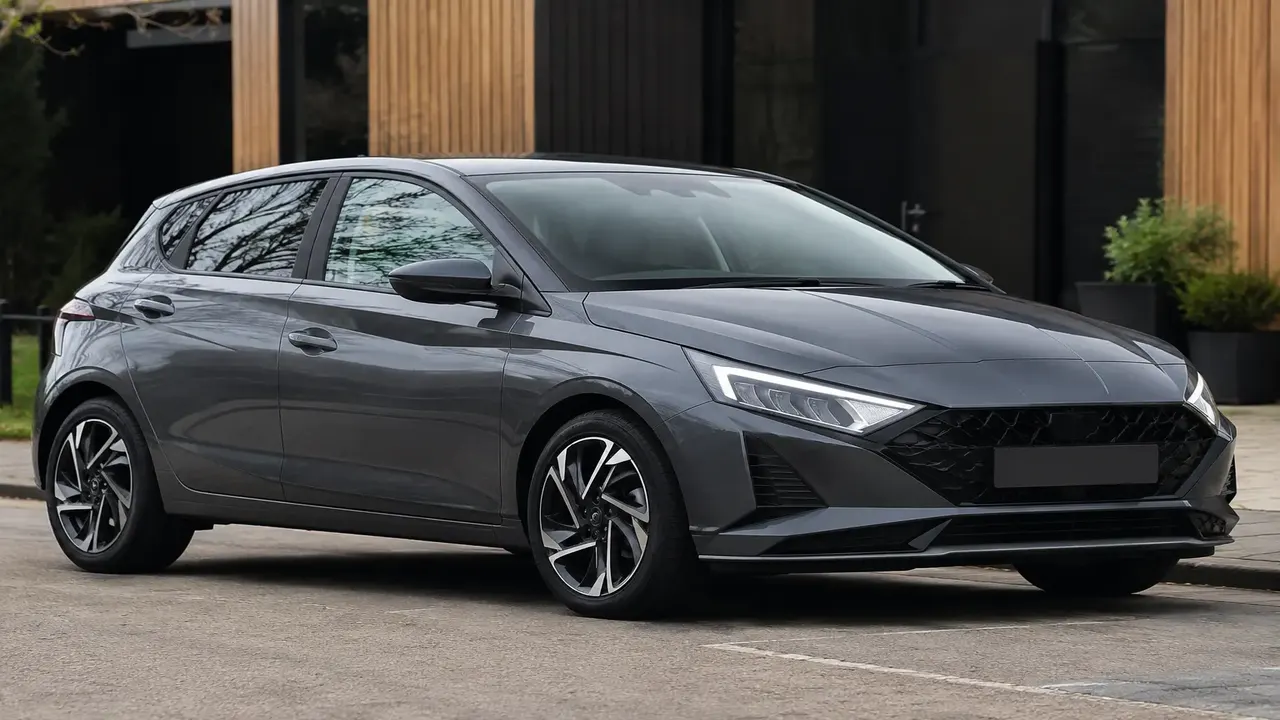
In the US, the FTC requires disclosure of any material connection (payment, free vehicle loan, discount) between a brand and a creator — a disclosure must be clear, unavoidable, and placed before the claim it relates to, not buried in a hashtag pile at the end of a caption. "#ad" or "#sponsored" in plain view, or the platform's built-in paid partnership label, both satisfy this. Outside the US, the UK's ASA/CAP Code, Ireland's ASAI, and Canada's Ad Standards have equivalent but not identical rules, so a global campaign needs a per-market check rather than one universal caption.
At a glance
| Requirement | Compliant example |
|---|---|
| Disclosure clarity | "#ad" or "Paid partnership with [Brand]" — not "#collab" or "#sp" alone |
| Placement | Before the fold / in the first line, not only in a hashtag block at the end |
| Video | Verbal or on-screen text disclosure within the first few seconds, plus caption tag |
| Free product/loan car | Must be disclosed even with no cash payment — "gifted" or "loaned by" is required |
| Platform tools | Use Instagram/TikTok/YouTube's built-in "Paid partnership" label in addition to text |
What counts as a material connection
It's not just cash payment. A free or discounted vehicle loan, a press trip, a free accessory, an affiliate commission, or even a family/employment relationship with the brand all count as material connections that must be disclosed. Creators sometimes assume a short-term press loan doesn't need disclosure because "the car goes back" — it does need disclosure, because the audience doesn't know the reviewer didn't pay for the experience.
The checklist
- Disclosure uses clear language — "#ad," "#sponsored," or "paid partnership with [Brand]" — never vague terms like "#sp," "#collab," or "thanks [Brand]" alone.
- Disclosure appears before the reader has to click "more" or scroll — first line of a caption, not buried after 10 hashtags.
- Video content discloses verbally or on-screen within the first few seconds, not only in the description box most viewers never open.
- Livestreams repeat the disclosure periodically, since viewers join mid-stream.
- Platform-native tags (Instagram/TikTok/YouTube "Paid partnership" label) are used in addition to, not instead of, plain text.
- Free product, loaner vehicles, and affiliate links are disclosed the same as cash payment.
- Disclosure language is in the same language as the rest of the content.
Examples: compliant vs non-compliant
| Non-compliant | Why | Fixed version |
|---|---|---|
| "Loving this drive 🚗✨ #cars #roadtrip #ad #summer" | Disclosure buried among unrelated hashtags | "#ad — [Brand] loaned me this SUV for the week. Here's my honest take..." |
| Video with disclosure only in the description | Most viewers never open the description | On-screen text "Paid partnership with [Brand]" in first 3 seconds |
| "Thanks to my friends at [Brand]" | Vague — doesn't state it's a paid or gifted relationship | "Gifted by [Brand] — my honest review below" |
Global note: rules differ by market
The FTC's endorsement guidance applies to US audiences and creators. In the UK, the Advertising Standards Authority (ASA) and CAP Code require similarly clear, upfront disclosure and generally favor the platform's own "Paid partnership" tools plus a text label like "Ad." Canada's Ad Standards and Ireland's ASAI have their own codes with the same underlying principle — timely, unavoidable disclosure — but different accepted shorthand. For a campaign running across regions, don't assume one caption template satisfies every regulator; check the current guidance for each target market.
What happens if a brand or creator skips disclosure
The FTC can pursue both the brand and the individual creator, and has issued warning letters and settlements over inadequate disclosure in past enforcement sweeps. Beyond legal risk, audiences that discover an undisclosed paid relationship tend to react publicly and negatively — the reputational cost usually lands before any regulatory one does.
If there's any material connection at all — payment, product, discount, or loan — disclose it clearly. There's no such thing as a partnership too small to need it.
Frequently asked questions
Do micro-influencers need to disclose paid car reviews the same as big creators?
Is a platform's built-in 'Paid Partnership' tag enough on its own?
Does a loaner press vehicle need to be disclosed if the creator gives it back?
Where should the disclosure go in a long video review?
Sources & further reading
- FTC — Endorsements, Influencers, and Reviews
- UK Advertising Standards Authority — CAP Code on Advertisement Identification
Figures, prices and policy details were current at the last-updated date above. Automotive pricing, incentives and regulations change frequently — verify time-sensitive details with the linked primary sources. Read our editorial policy and fact-checking standards.