The Seasonal Driving newsletter sends 4 issues a year, one at the start of each season, layered onto the twice-weekly core newsletter for subscribers who opt in. Each issue covers the specific maintenance and driving changes that season demands — winter tire thresholds and battery cold-weather capacity loss, summer tire pressure and coolant checks, spring pothole-damage inspection, and fall daylight/visibility changes — with concrete numbers (e.g., EV range can drop 20-30% in freezing temperatures) rather than generic "be careful out there" advice.
At a glance
| Season | Core topic of that issue |
|---|---|
| Winter | Cold-weather battery/EV range loss, winter tires, wiper fluid |
| Spring | Pothole damage checks, alignment, post-winter cleanup |
| Summer | Tire pressure in heat, coolant/AC, road-trip prep tie-in |
| Fall | Reduced daylight, wet-leaf traction, pre-winter battery test |
Why seasonal content is split out
Advice that's exactly right in January is irrelevant or wrong in July — telling a July reader to check their winter tire tread wastes the send. Rather than trying to write one evergreen "seasonal driving" article, this newsletter segment swaps its single topic four times a year so every issue lands when it's actually actionable.
What each issue includes
- One seasonal maintenance checklist tied to a specific system (battery, tires, cooling, wipers)
- A short explainer on why that season affects that system, with real figures
- A single most-common seasonal mistake to avoid
Example: the winter issue
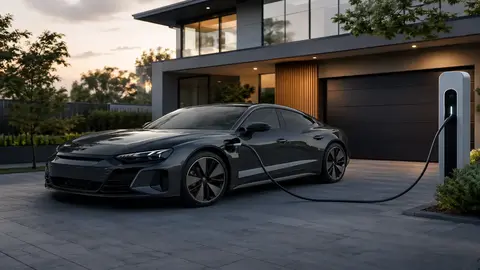
The winter issue explains that lithium-ion EV batteries lose usable range in cold weather — commonly cited in the 20-30% range at or below freezing, due to slower chemical reactions and cabin heating draw — and that conventional 12V lead-acid batteries lose a comparable share of cranking power as temperature drops, which is why cold starts fail more in winter even on a battery that tested fine in October. It also covers the tread-depth and temperature threshold (roughly 45°F/7°C) below which all-season tires lose grip relative to winter-rated tires.
Example: the summer issue
- Check tire pressure monthly — pressure rises with heat and readings taken after driving run high; check cold.
- Inspect coolant level and hose condition before extended heat exposure.
- Test AC performance early in the season rather than waiting for the first heat wave to find a fault.
How it's scheduled
Issues send in the first full week of March, June, September and December — timed to arrive as the season is starting rather than mid-season, so the advice is still useful by the time the reader acts on it.
This is one of the opt-in seasonal segments, sent in addition to the twice-weekly core newsletter. Subscribers can opt into this segment alone without adding Road Trip or other seasonal add-ons.
Frequently asked questions
How many seasonal driving emails will I get per year?
Does cold weather really reduce EV range that much?
Is this the same as the Road Trip newsletter?
What's covered in the fall issue?
Can I get just the winter issue?
Sources & further reading
- Cold weather and EV range — U.S. Department of Energy, Fuel Economy
- Tire Safety: Everything Rides on It — NHTSA
Figures, prices and policy details were current at the last-updated date above. Automotive pricing, incentives and regulations change frequently — verify time-sensitive details with the linked primary sources. Read our editorial policy and fact-checking standards.