A hidden-features series works because it delivers one small, genuinely useful payoff per video — a storage compartment nobody notices, a drive mode shortcut, a hidden settings menu — inside YouTube Shorts' up-to-3-minute format (extended from the original 60-second limit). The reliable hook formula is "Did you know your [Model] can..." stated in the first 2-3 seconds, followed by a quick demonstration and an end-screen tease for the next feature in the series. Because most of these features live in a single parked vehicle, a production team can batch-film 8-10 episodes in a single session, which is what makes a consistent weekly cadence realistic.
At a glance
| Element | Recommendation |
|---|---|
| Format length | Under 60 seconds per feature works well; up to 3 minutes available if needed |
| Hook formula | "Did you know your [Model] can..." in the first 2-3 seconds |
| Batching | 8-10 episodes filmable in one session using a single parked vehicle |
| Series branding | Consistent title card/thumbnail style so viewers recognize the series |
| End screen | Tease the next feature to encourage series follow-through |
Why 'hidden features' works as a series concept
It solves the two hardest problems in short-form content planning at once: a reliable, repeatable hook ("did you know...") and an essentially unlimited topic well, since most modern vehicles have dozens of small features owners never discover — a specific drive mode, a hidden phone/wallet slot, a settings menu shortcut, a trick with the key fob. Unlike opinion-based review content, hidden-features content is low-controversy and highly shareable, since viewers often tag their own friends or send it directly to a fellow owner.
Format structure
- Hook (0-2 seconds) — "Did you know your [Model] has a hidden [feature]?" stated immediately, often paired with a close-up of the feature itself as the very first frame.
- Quick demonstration (2-25 seconds) — show, don't just tell; the feature being used in real time is far more convincing and clip-able than a spoken description alone.
- Why it matters (optional, 5-10 seconds) — a one-line reason this feature is actually useful, not just a party trick.
- End screen tease — a quick line or on-screen text pointing to the next feature in the series, encouraging a follow rather than a one-off watch.
YouTube Shorts' extended length changes what's possible
YouTube expanded Shorts from the original 60-second cap to allow videos up to 3 minutes, which gives a hidden-features format room to show a slightly more involved feature (a multi-step settings change, a less obvious drive-mode combination) without needing to rush the demonstration. That said, most single-feature reveals still work best kept under 60 seconds — use the extra runway only when a feature genuinely needs the extra explanation, not as a default.
Batching production efficiently
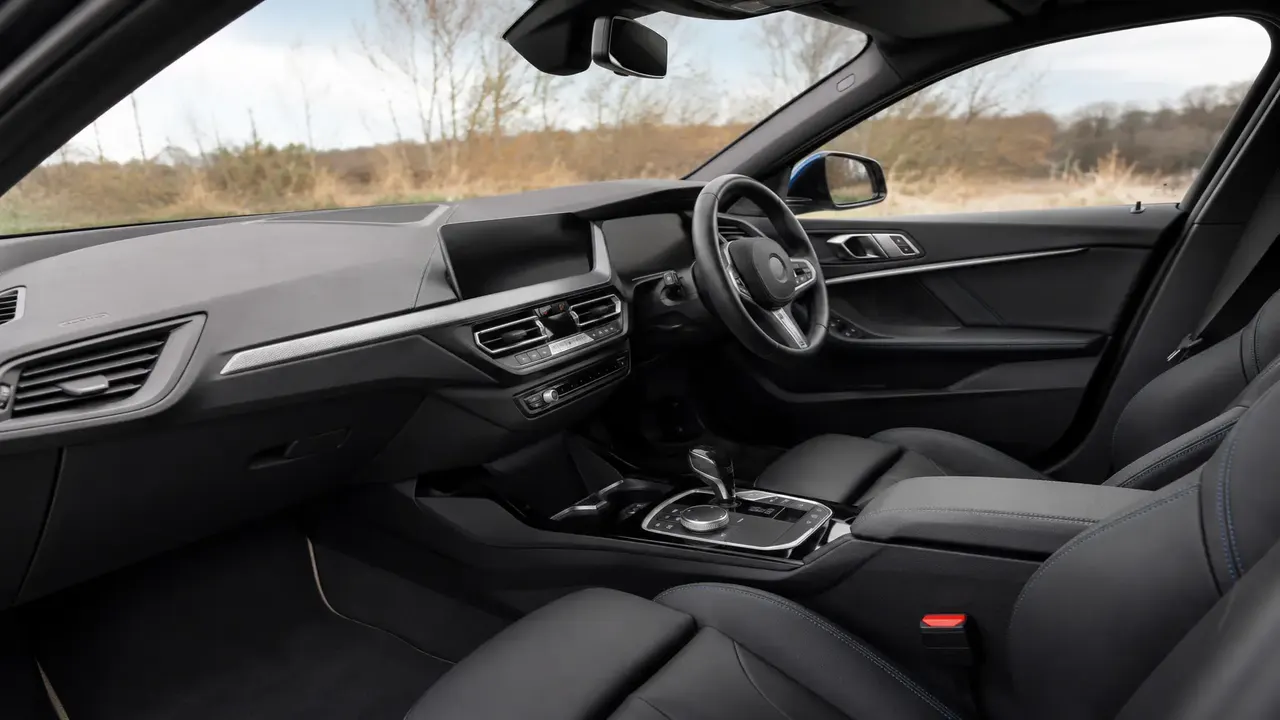
Because most hidden features live in the same parked vehicle (glovebox tricks, settings menus, storage compartments, interior tech), a production team can realistically film 8-10 episodes' worth of footage in a single session — set up lighting and camera once, then work through the feature list. This is what makes a sustained weekly-or-more cadence practical without a large ongoing production budget, and it's a meaningful advantage over content types that require different locations or driving conditions for every episode.
| Feature type | Example topic |
|---|---|
| Storage | A glovebox or console compartment most owners never open |
| Drive modes | A specific mode combination for weather or terrain |
| Settings menu | A shortcut buried a few menus deep in the infotainment system |
| Key fob/remote | A less obvious remote function beyond lock/unlock |
| Safety tech | An assist feature that's on by default but rarely explained |
Series branding and consistency
Use a consistent title card style, on-screen text font, and even a short recurring sound cue so the series is recognizable within the first second regardless of which specific feature is being shown. A consistent thumbnail format (same text placement, same color treatment) also helps returning viewers spot new episodes quickly in a subscription feed or channel page.
What keeps a series like this from running out of ideas
Cross-reference the owner's manual chapter by chapter — most vehicles have far more small features documented there than owners ever discover on their own, which is exactly the gap this series format is designed to close. Owner forums and dealer service departments are also good sources for "nobody knows this exists" feature ideas that come up repeatedly in real customer questions.
A genuinely useful feature reveal outperforms a flashy but impractical one — the series builds trust by being consistently worth the 30 seconds, not by chasing novelty.
Frequently asked questions
How long can a YouTube Short be?
How many hidden-feature videos can be filmed in one session?
What makes a good hook for a hidden-features video?
Where do good hidden-feature topic ideas come from?
Sources & further reading
Figures, prices and policy details were current at the last-updated date above. Automotive pricing, incentives and regulations change frequently — verify time-sensitive details with the linked primary sources. Read our editorial policy and fact-checking standards.