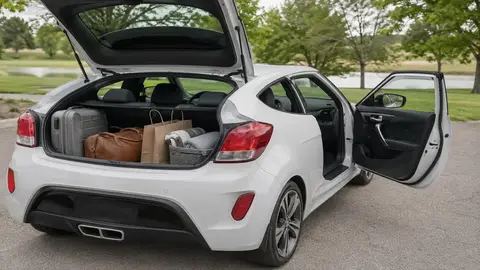
Basic collapsible cargo boxes cost $20-$50, multi-compartment organizers with dividers and insulated pockets run $40-$100, and drawer-style or truck-bed slide systems start around $150 and climb well past $500 for aluminum, weatherproof builds. Match the organizer to what actually rides in your trunk: soft collapsible bins for groceries and gear that changes weekly, rigid dividers for tools that need to stay upright, and cargo nets for anything that just needs to stop sliding around.
Note: costs mentioned below are given in US dollars as a general point of reference — actual prices vary by country, currency, and local market.
At a glance
| Organizer type | Typical price | Best for |
|---|---|---|
| Collapsible cargo box | $20-$50 | Groceries, general hauling, flat storage when empty |
| Multi-compartment organizer | $40-$100 | Tools, sports gear, keeping items separated |
| Cargo net (cross or floor) | $15-$35 | Stopping loose items sliding on braking/turns |
| Trunk divider/partition | $30-$70 | Separating pets or groceries from gear |
| Drawer/slide-out system | $150-$600+ | Truck beds, overlanding, frequent tool access |
Start with what you're actually carrying
The right organizer depends far more on cargo type than on the vehicle. Someone hauling groceries and the occasional gym bag needs something completely different from someone who carries loose tools, sports equipment, or pet supplies daily. Buying based on category popularity rather than actual use is the most common reason these products end up unused in a garage within a few months.
Collapsible cargo boxes
These fold flat when empty and pop up into a rigid-sided box, usually with reinforced side walls and carry handles. They're the best entry point for most drivers because they're cheap, easy to remove for washing, and don't require any permanent installation. The tradeoff is that contents can still shift within the box itself if you brake hard, since most don't have internal dividers.
Multi-compartment and divided organizers
These add fixed or adjustable internal walls, sometimes with insulated pockets for cold items and elastic loops for bottles or tools. They cost more than a plain collapsible box but solve the shifting-contents problem and keep dissimilar items (say, cleaning supplies and food) physically separated. Look for a rigid base plate — the biggest quality gap between cheap and well-made organizers is whether the bottom flexes under weight.
Cargo nets: the cheapest fix for sliding items
- Cross nets stretch diagonally across the trunk to stop tall items (bags, boxes) from tipping forward under braking.
- Floor nets cover the trunk floor with a grid, so smaller loose items (phone chargers, gym shoes, groceries) don't roll into gaps.
- Cargo net + hooks combo kits attach to existing trunk anchor points on most vehicles without drilling or permanent mounting.
Drawer and slide-out systems
Aimed mainly at truck-bed and SUV owners who need frequent, easy access to tools or recovery gear, these are essentially a drawer unit that slides out from the cargo area. They're the most expensive category by far — a basic single-drawer unit starts around $150-$250, while full aluminum dual-drawer overlanding setups with weatherproof seals can run $500-$1,500+. This tier only makes sense for frequent off-road, work-truck, or overlanding use; it's overkill for someone who just wants groceries to stop rolling.
| Use case | Recommended organizer type |
|---|---|
| Weekly grocery runs | Collapsible cargo box |
| Loose tools that need to stay upright | Divided/compartment organizer |
| Preventing bags sliding under braking | Cross cargo net |
| Frequent off-road/work-truck tool access | Drawer/slide-out system |
| Keeping pets separate from cargo | Trunk divider/partition |
Fit and mounting mistakes to avoid
- Buying a fixed-size rigid organizer without measuring trunk depth and width — SUV/hatchback cargo areas vary widely even within the same body class.
- Assuming all cargo nets use the same anchor spacing; some vehicles need adapter hooks not included in cheaper kits.
- Choosing a full drawer system for occasional use, when the installation and weight tradeoff only pays off with frequent access needs.
- Ignoring load rating — collapsible boxes with thin walls can sag or split under heavy, dense loads like bottled water cases.
Rigid drawer systems add real weight and can reduce usable cargo height in smaller SUVs — check clearance under the cargo cover before buying. Collapsible boxes without a rigid base can bow outward and jam against wheel wells in a full trunk.
Frequently asked questions
What's the difference between a cargo organizer and a cargo net?
Do collapsible cargo boxes fit all trunks?
Are drawer-style cargo systems worth it for a regular commuter car?
Can cargo nets damage trunk carpeting or anchor points?
How do I keep groceries from tipping over in the trunk?
Sources & further reading
- Consumer Reports — cargo and storage accessory advice
- Insurance Institute for Highway Safety — cargo restraint and loose-object safety
Figures, prices and policy details were current at the last-updated date above. Automotive pricing, incentives and regulations change frequently — verify time-sensitive details with the linked primary sources. Read our editorial policy and fact-checking standards.