Note: costs mentioned below are given in US dollars as a general point of reference — actual prices vary by country, currency, and local market.
Ammonia-free glass cleaners cost $8-$18 and are the safer choice for tinted windows, since ammonia can degrade window tint film's adhesive over time. Foam interior cleaners ($10-$20) suit vinyl and hard plastic dashboards, while pre-moistened wipes ($8-$15) are the most convenient for quick touchscreen and console cleanup, though not all are safe for anti-glare screen coatings.
At a glance
| Cleaner type | Best surface | Tint-safe? | Price band (USD) |
|---|---|---|---|
| Ammonia-free glass cleaner | Windows, mirrors | Yes | $8-$18 |
| Standard (ammonia) glass cleaner | Untinted glass only | No | $5-$12 |
| Foam interior cleaner | Vinyl, plastic, dash | N/A | $10-$20 |
| Pre-moistened wipes | Consoles, screens, trim | Check label | $8-$15 |
Why ammonia matters for tinted windows
Ammonia-based glass cleaners can break down the adhesive layer in aftermarket window tint film over repeated use, leading to bubbling, peeling, or discoloration well before the tint's expected lifespan. If any window in the car has tint film — even just the rear windows — an ammonia-free formula is the safer default for the whole vehicle rather than switching products per window.
Streak-free technique matters as much as product
Even a good glass cleaner streaks if oversprayed directly onto the glass near trim and dash surfaces, or if applied with a cotton towel that leaves lint. Spraying onto a microfiber towel first, then wiping the glass, gives more control and fewer streaks than spraying the glass directly.
Interior surface cleaners
Foam-based cleaners are formulated for vinyl, rubber, and hard plastic interior surfaces like dashboards, door panels, and console trim, cleaning without leaving the greasy residue some all-purpose cleaners can. Look for a matte-finish formula rather than high-gloss "shiny dash" products, which can create dangerous windshield glare in direct sunlight.
- Avoid silicone-heavy dressing products on steering wheels and pedals — they can make surfaces slippery
- Check any wipe or spray labeled for use on touchscreens; some infotainment anti-glare coatings are damaged by standard glass cleaner
- Leather-specific cleaners and conditioners are gentler on stitched leather seats than general all-purpose interior sprays
- Test any new cleaner on a small, hidden interior area first, especially on colored or aftermarket trim
Screens and touch surfaces
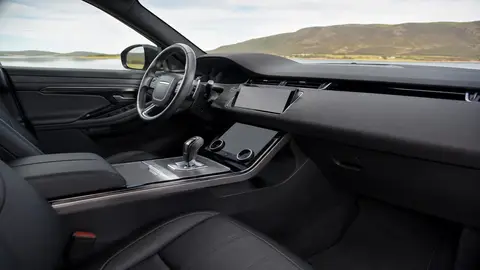
Modern infotainment touchscreens often carry an anti-glare or oleophobic (fingerprint-resistant) coating that ammonia and alcohol-based cleaners can degrade over time, leaving the screen hazy or less responsive to touch. Manufacturer-recommended or screen-specific microfiber-and-spray combinations are the safer choice for daily touchscreen cleaning.
What to avoid
Standard ammonia glass cleaner on tinted windows is one of the most common causes of premature tint bubbling and peeling. High-gloss dashboard dressings can create windshield glare that's genuinely dangerous while driving toward the sun.
Avoid spraying any cleaner directly onto touchscreens or vents — overspray can seep into bezels and electronics. Also skip using paper towels on glass or screens; they can leave lint and micro-scratches that build up over repeated use.
Building a simple interior kit
A solid basic kit covers three products: an ammonia-free glass cleaner, a matte foam or spray cleaner for plastic and vinyl surfaces, and a dedicated screen-safe wipe or spray for the touchscreen — paired with clean microfiber towels for each, since cross-contaminating towels between glass and interior surfaces reintroduces the streaking problem.
Frequently asked questions
Why is ammonia bad for tinted car windows?
Can I use regular glass cleaner on my car's touchscreen?
What's the best way to avoid streaks on car windows?
Are glossy dashboard cleaners safe to use?
Do I need different cleaners for leather and vinyl interiors?
Sources & further reading
Figures, prices and policy details were current at the last-updated date above. Automotive pricing, incentives and regulations change frequently — verify time-sensitive details with the linked primary sources. Read our editorial policy and fact-checking standards.