Note: costs mentioned below are given in US dollars as a general point of reference — actual prices vary by country, currency, and local market.
A spring-loaded glass breaker paired with a seat belt cutter is designed for the rare but serious scenario where a car is submerged, on fire, or has a jammed door/window and the occupant needs to escape fast. Combo tools cost $8-$25, should be mounted within easy driver's-seat reach (not in the glovebox or trunk), and glass breakers work on tempered side/rear windows — not laminated windshields, which don't shatter the same way.
At a glance
| Factor | Typical range/requirement |
|---|---|
| Combo tool price | $8-$25 |
| Works on | Tempered glass (side/rear windows only) |
| Does NOT work well on | Laminated windshields |
| Mounting location | Within driver's reach — console, door pocket, visor clip |
| Mechanism types | Spring-loaded punch, or manual pointed strike tip |
| Seat belt cutter blade | Recessed/hooked blade for safe one-motion cutting |
Why this tool exists
Two specific emergency scenarios drive the design: a vehicle submerged in water where electric windows may fail and water pressure can jam doors shut, and a jammed seat belt buckle after a crash where the webbing is under tension and won't release normally. Both scenarios are rare, but when they happen, seconds matter — a dedicated tool designed for exactly this purpose works far more reliably than improvising with whatever's on hand.
Why side windows, not windshields
Side and rear windows are made of tempered glass, engineered to shatter into small, relatively blunt pieces under sharp impact — this is exactly what a spring-loaded glass breaker's punch is designed to trigger with a sharp point strike. Windshields use laminated glass (glass-plastic-glass) specifically so they don't shatter and fall away in a crash, which means a glass breaker tool is largely ineffective against a windshield — it's simply the wrong tool for that surface.
Spring-loaded vs. manual designs
Spring-loaded punch tools store tension and release it instantly on the glass with a firm push, requiring less force and precision than a manual pointed tip that has to be struck hard against the glass corner by hand. For anyone who might be injured, disoriented, or working with reduced hand strength during an emergency, a spring-loaded design generally offers a more reliable outcome.
Seat belt cutter design
A good seat belt cutter uses a recessed or hook-shaped blade so it can be drawn across the webbing in one motion without needing to "stab" at tensioned material near the body — an important safety detail, since an exposed blade near a person's torso during a stressful escape is itself a hazard. Look for a blade that stays sharp over years of glovebox/console storage without needing regular maintenance.
A glass breaker tool stored in the trunk or glovebox is much less useful than one within immediate driver's-seat reach — during a submersion or crash scenario, reaching across the cabin may not be possible. Glass breakers do not work reliably on laminated windshields — know which windows in your car are tempered (usually all except the windshield) before relying on this tool.
Where to mount it
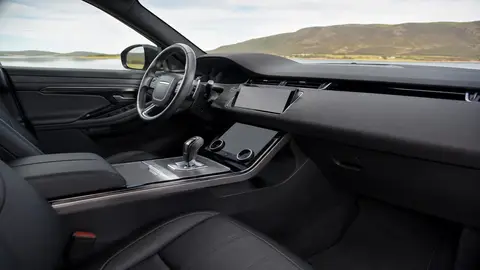
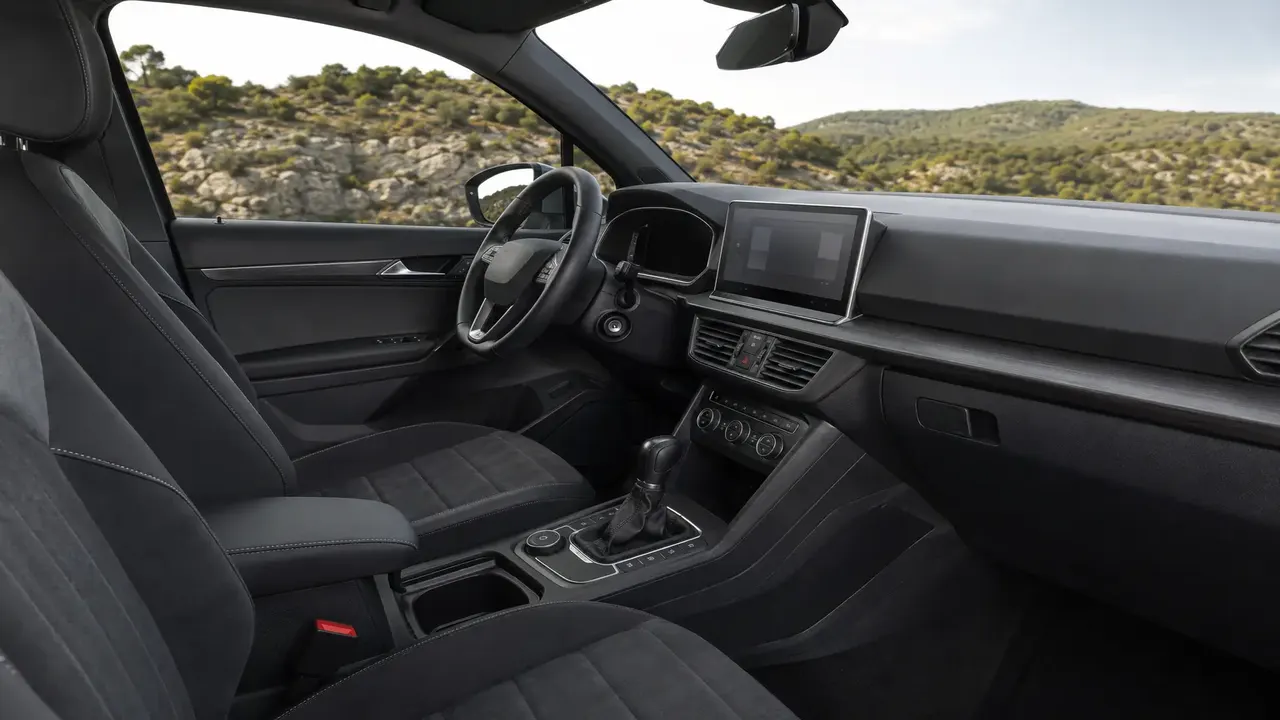
The best location is somewhere reachable without unbuckling or leaning far from the driver's seating position — common choices include a center console pocket, a door-panel pocket, or a visor-clip mount. Some drivers keep a second unit near a child's seating position or in a second row door pocket for family vehicles, since the person who needs it may not always be the driver.
Buying tips
- Choose a combo tool (breaker + cutter) rather than buying separate single-purpose tools, for simplicity and reliability under stress
- Check reviews specifically for spring-punch reliability over years of storage, since some cheap units weaken or fail to trigger after long-term temperature cycling
- Mount with a bracket or clip rather than leaving loose, so it's findable instantly in poor visibility or panic
Frequently asked questions
Do glass breaker tools work on windshields?
Where should I store a car glass breaker tool?
Are spring-loaded glass breakers better than manual ones?
How do seat belt cutters work safely?
Do I really need a glass breaker tool in my car?
Sources & further reading
- NHTSA — Vehicle Safety Glass Standards (FMVSS 205)
- American Red Cross — Vehicle Emergency Preparedness
Figures, prices and policy details were current at the last-updated date above. Automotive pricing, incentives and regulations change frequently — verify time-sensitive details with the linked primary sources. Read our editorial policy and fact-checking standards.