Note: costs mentioned below are given in US dollars as a general point of reference — actual prices vary by country, currency, and local market.
Seatback organizers run $15-$40, console/armrest organizer inserts run $10-$30, and collapsible trunk organizer bins run $20-$50. Unsecured loose items in the cabin or cargo area become projectiles in a crash, so the main safety consideration isn't price — it's making sure any organizer that holds heavier items (tools, groceries, tablets) is strapped down or contained in a rigid, lidded bin rather than an open bag that can slide forward under braking.
At a glance
| Organizer type | Price band | Best for |
|---|---|---|
| Seatback hanging organizer | $15-$40 | Kids' items, tablets, snacks for rear passengers |
| Console/armrest insert organizer | $10-$30 | Pens, phone, sunglasses, small change |
| Collapsible trunk bin | $20-$50 | Groceries, gear that needs to stay upright |
| Door pocket organizer | $8-$20 | Extra bottle/tissue storage in door pockets |
Matching the organizer to where clutter actually accumulates
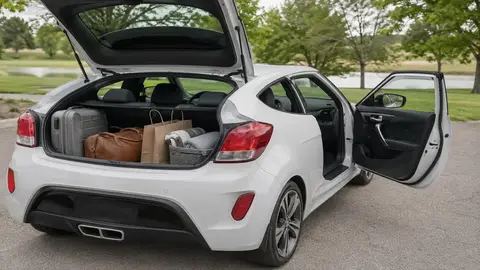
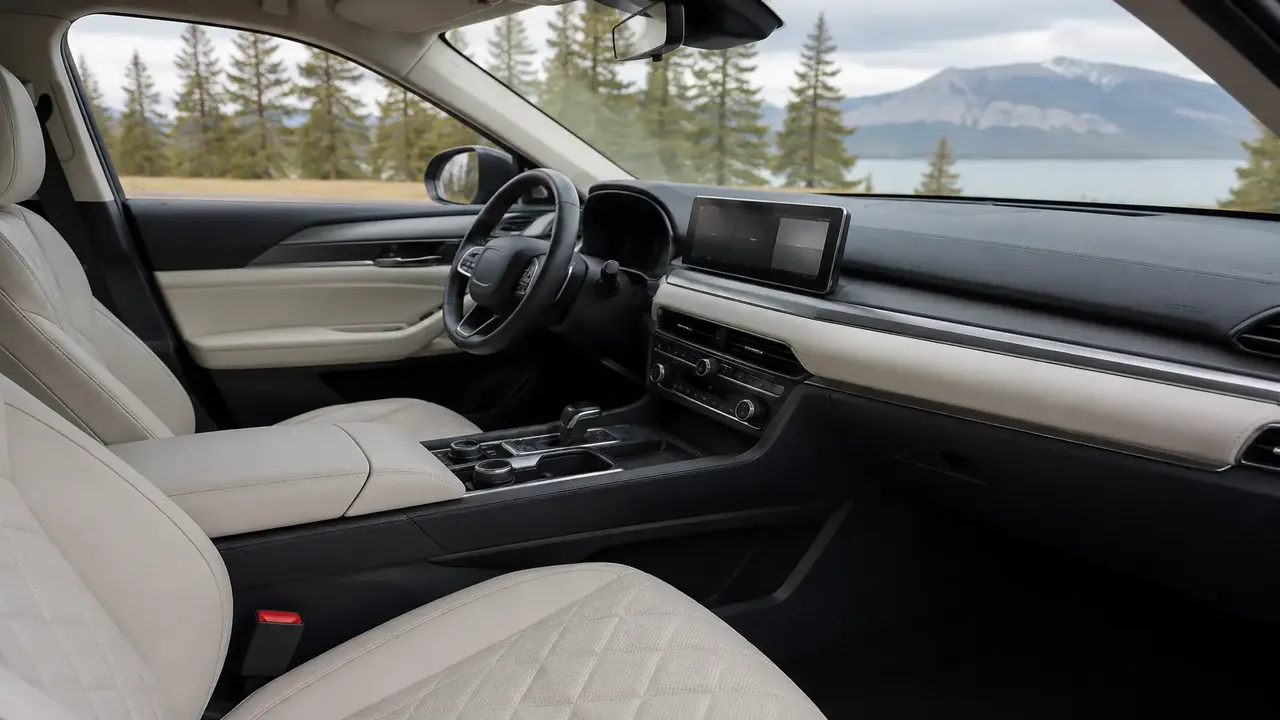
Most cabin clutter concentrates in three spots: the back of the front seats (kids' toys, tablets, snack wrappers), the center console (phones, sunglasses, receipts), and the trunk (groceries and gear that tip over on turns). A single all-purpose organizer rarely fixes all three — a seatback organizer with a tablet pocket and elastic mesh pouches handles the first, a slim console tray or armrest insert handles the second, and a collapsible fabric or crate-style trunk bin with dividers handles the third.
What separates a durable organizer from a flimsy one
- Stitched, reinforced mounting straps rather than thin elastic that stretches out within months
- Water-resistant or wipeable fabric for anything near footwells or trunk floors
- A rigid base on trunk bins so they don't collapse and spill when the vehicle is loaded and unloaded
- Zippered or lidded compartments for anything you don't want visible through the window (theft deterrence)
Trunk organization: crates vs collapsible bins vs cargo nets
| Type | Pros | Cons |
|---|---|---|
| Rigid plastic crate | Very stable, cheap, stackable | Takes permanent trunk space, no lid |
| Collapsible fabric bin | Folds flat when empty, often has dividers | Less rigid under heavy loads |
| Cargo net (floor or vertical) | Keeps loose items from sliding, cheap | Doesn't contain small items, just restrains |
Safety and loose-item risk
An unsecured item as light as a laptop or a bag of groceries can become a significant hazard in a sudden stop or collision — the faster the deceleration, the more force even modest weight carries. This is the main argument for choosing an organizer with real containment (zips, lids, straps) over one that simply corrals items loosely. For anything genuinely heavy (tool kits, car care supplies), a cargo net or strap-down point matters more than the organizer's storage capacity.
Never mount a seatback organizer so it blocks the rear passenger's knee room against the front seat, and don't overload door pocket organizers to the point they can't close — an open door pocket bin becomes a spill risk on turns.
Who benefits most
Families with young kids get the fastest payoff from seatback organizers, since they contain the highest-turnover clutter (snacks, small toys, wipes). Commuters who run errands regularly benefit most from a trunk bin that keeps groceries upright. Minimalist drivers with little in-cabin clutter, or those who already keep the trunk empty, can often skip aftermarket organizers entirely and rely on factory door pockets and console bins.
Frequently asked questions
Are trunk organizer bins worth it for grocery trips?
Do seatback organizers reduce rear passenger legroom?
Is it safe to store heavy items in a door pocket organizer?
What's the best way to stop trunk items sliding around?
Will installing this accessory void my car's warranty?
Sources & further reading
Figures, prices and policy details were current at the last-updated date above. Automotive pricing, incentives and regulations change frequently — verify time-sensitive details with the linked primary sources. Read our editorial policy and fact-checking standards.