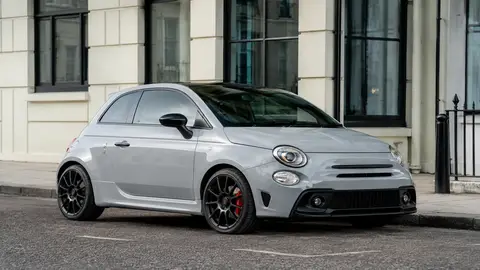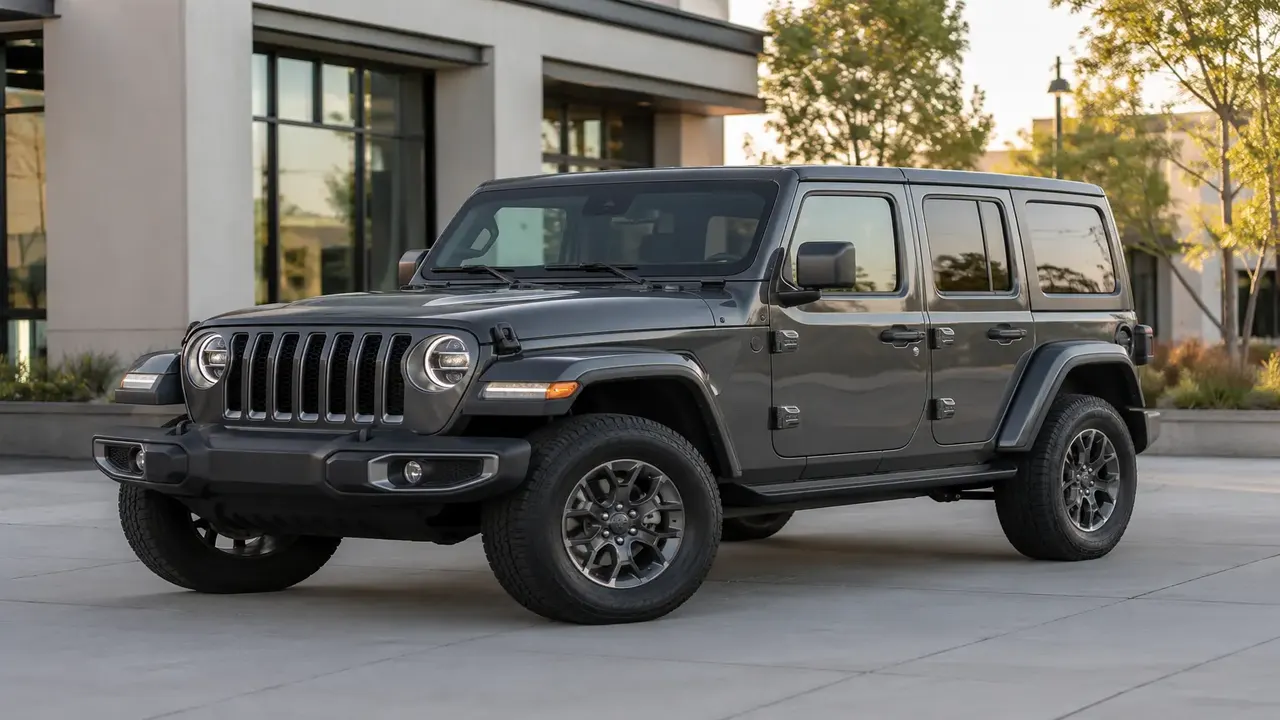
New cars are not always more expensive to insure than used ones — it depends on the specific model, its repair cost, safety features, theft rate and your lender's requirements. New cars with advanced safety systems can actually attract lower premiums for liability and injury coverage, but collision and comprehensive premiums are higher because the car's replacement value is higher. Lenders typically require full coverage (collision + comprehensive) on financed or leased cars — new or used. Once a loan is paid off, dropping to liability-only may save $500–$1,000/year on an older vehicle. The break-even point where liability-only makes sense is generally when the car's market value drops below $3,000–$5,000.
True Motion Auto collects and presents information from official and primary sources (regulators, government bodies, lenders and insurers' published terms). This is general information, not personalised financial advice — check figures with the provider or a qualified adviser before acting. Jurisdiction: General — check your jurisdiction. Last checked: August 2026.
Editorial oversight: Vasudha Gupta, Editor.
New vs used car insurance: key differences
| Factor | New car | Used car |
|---|---|---|
| Collision premium | Higher (higher repair/replace cost) | Lower (lower vehicle value) |
| Comprehensive premium | Higher | Lower |
| Liability premium | Similar or lower (better safety) | Similar |
| Lender-required coverage | Full coverage (collision + comp) if financed | Full coverage if financed; optional if owned |
| GAP insurance need | High (depreciates fast) | Lower (most depreciation absorbed) |
| Repair costs | Higher (complex ADAS, new parts) | Lower (simpler systems, available parts) |
Why the vehicle's value is the central driver
Your collision and comprehensive (comp) premiums are priced primarily on the cost to repair or replace the vehicle after a claim. A new $45,000 SUV has a much higher replacement value than a three-year-old version of the same vehicle worth $28,000 — which is why comprehensive and collision premiums are materially lower on the used version. As a car depreciates, these premiums fall accordingly.
The national average full-coverage premium in the US is about $2,496/year in 2026. Liability-only is about $912/year. The $1,584 gap is essentially the cost of collision and comprehensive on an average-priced vehicle.
Where new cars can actually be cheaper to insure
Modern new cars come with increasingly sophisticated safety technology — automatic emergency braking, lane-keep assist, blind-spot monitoring — that reduces accident frequency and severity. Many insurers apply safety discounts for these features, which can lower liability and bodily injury premiums compared with an equivalent older vehicle lacking them.
In the UK, this is reflected in insurance group ratings: newer models of the same car often sit in the same or lower insurance group than their predecessors if safety ratings have improved.
The lender requirement for full coverage
If you finance or lease a car — new or used — your lender will require collision and comprehensive coverage throughout the loan or lease term. This is non-negotiable: the lender's collateral is the vehicle, and they need it insured to its replacement value. Removing these coverages to save money while the loan is outstanding could result in force-placed insurance (the lender buys coverage on your behalf at a much higher rate) or loan default.
Once your car loan is paid off and you own the vehicle outright, the decision of how much coverage to carry is yours alone. The financial calculus: if the car's market value is below $3,000–$5,000, paying collision and comprehensive premiums (which might run $600–$900/year) to protect that value rarely makes sense — especially with a $500–$1,000 deductible.
GAP insurance: far more important for new cars
A new car loses 15–25% of its value in year one. If you financed 90% of the purchase and the car is written off in month six, the insurance payout (market value) may be $5,000–$8,000 less than your outstanding loan balance. GAP insurance covers this shortfall.
On a used car that has already absorbed most of its depreciation, the gap between loan balance and market value is typically smaller — GAP insurance is less critical, particularly on shorter loans with a meaningful deposit.
Repair costs on new vs used
New cars with ADAS sensors, cameras and radar units embedded in bumpers, windscreens and mirrors can be significantly more expensive to repair after even minor collisions. A cracked windscreen on a new vehicle with a heads-up display and embedded camera can cost $1,500+ to replace versus $200–$400 on an older car. Insurers are pricing this into premiums — particularly for comprehensive and collision — on newer models.
How to choose the right coverage level for a used car
A simple decision framework:
- Is the car still financed? If yes, full coverage is required by the lender.
- What is the car's current market value? Use a valuation site to check.
- What is the combined annual cost of collision and comprehensive? Get a quote.
- What is your deductible? Subtract it from the car's value — this is the maximum net insurance benefit you could receive.
- If the maximum net benefit is less than two years of collision and comprehensive premiums, strongly consider dropping those coverages.
- Keep liability, uninsured motorist, and PIP/MedPay regardless — these protect you from costs that can far exceed the car's value.
Frequently asked questions
Is it cheaper to insure a used car?
Do I need full coverage on a used car?
Are new cars more expensive to insure because of ADAS?
Does buying a certified pre-owned (CPO) car affect insurance?
Do classic or vintage cars need different insurance?
Sources & further reading
- MoneyGeek — Types of Car Insurance Coverage 2026
- Lemonade — How Much Is Car Insurance 2026
- InsuredBetter — Comprehensive vs Collision 2026
Figures, prices and policy details were current at the last-updated date above. Automotive pricing, incentives and regulations change frequently — verify time-sensitive details with the linked primary sources. Read our editorial policy and fact-checking standards.