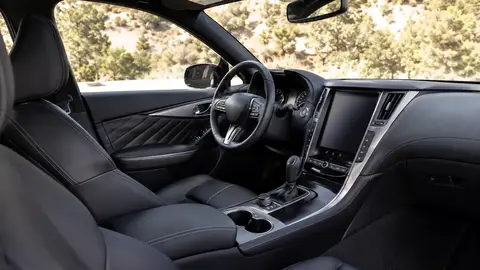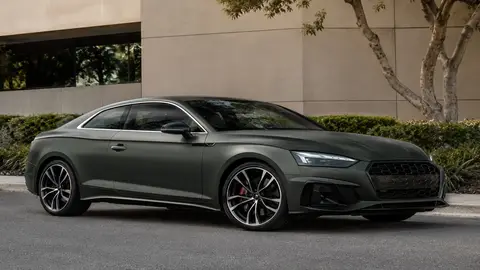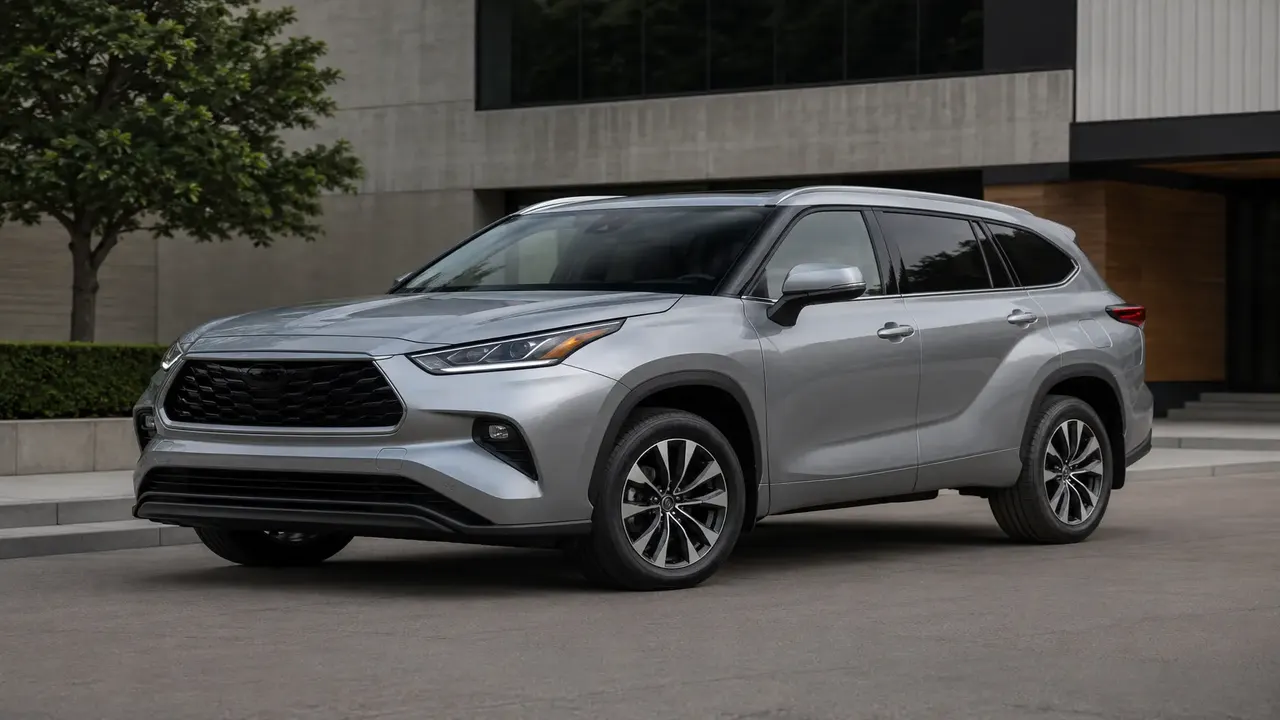
Toyota and Honda are both consistently ranked among the most reliable mainstream brands globally, with long-running reputations for low long-term ownership costs and strong resale value. The practical difference is usually driving character and hybrid strategy: Toyota has pushed hybrid powertrains across almost its entire range, while Honda's hybrid rollout has been more selective, often paired with a slightly more engaging, driver-focused chassis tune across its lineup.
At a glance
| Aspect | Toyota vs Honda |
|---|---|
| Hybrid strategy | Toyota: broad hybrid availability across most models; Honda: more selective hybrid rollout |
| Reliability reputation | Both consistently rank near the top of long-term dependability studies |
| Driving character | Honda often rated slightly more engaging/sporty; Toyota often rated more comfort-focused |
| Resale value | Both generally strong, model-dependent |
| Core range strength | Toyota: broad global SUV/sedan/hybrid range; Honda: strong sedan and compact SUV lineup |
Two brands built on the same core promise
Toyota and Honda have each spent decades building reputations around dependable engineering, sensible running costs and strong resale value, and both consistently place near the top of independent long-term reliability and owner-satisfaction studies. Because of that shared strength, choosing between them usually comes down to specific model comparisons and personal preference rather than a clear overall winner.
Where the brands genuinely differ
- Hybrid rollout — Toyota offers hybrid powertrains across the vast majority of its range, from city cars to SUVs, while Honda has taken a more selective approach, concentrating hybrid tech in specific models.
- Driving feel — Honda's chassis tuning has often been rated as slightly more engaging or sporty by reviewers, particularly in models like the Civic, while Toyota generally prioritises ride comfort and refinement.
- Interior/infotainment philosophy — the two brands take different approaches to control layout and infotainment software design, which can be a strong personal-preference factor during a test drive.
- Model range shape — Toyota's global range is broader, spanning more segments and body styles than Honda's more focused lineup in many markets.
Where they compete most directly
| Segment | Toyota model | Honda sibling |
|---|---|---|
| Compact sedan | Corolla | Civic |
| Midsize sedan | Camry | Accord |
| Compact SUV | RAV4/Corolla Cross | CR-V/HR-V |
| Hybrid flagship | Prius | Insight (market-dependent) / hybrid variants |
How to actually choose between them
- Compare the exact competing models directly (e.g. Civic vs Corolla) rather than the brands in the abstract — model-level differences matter more than brand-wide ones.
- Test drive both back-to-back if driving feel matters to you — this is one of the more consistent, noticeable differences between the brands.
- Check hybrid availability specifically in your target segment, since Toyota's hybrid coverage is broader across most ranges.
- Compare local warranty terms and dealer network density, which can vary more by country than the underlying brand reputation.
Brand-wide reliability reputation doesn't guarantee every individual model or model-year is equally strong — check reviews for the specific model and generation you're considering.
Who leans toward Toyota, and who leans toward Honda
Buyers wanting the broadest hybrid choice and a comfort-first ride typically lean Toyota. Buyers wanting a slightly more engaging drive and Honda's particular take on compact-car packaging typically lean Honda. Both are strong, low-risk choices for buyers prioritising long-term reliability and resale value over outright excitement.
Frequently asked questions
Is Toyota or Honda more reliable?
Does Toyota or Honda offer more hybrid options?
Which is more fun to drive, Toyota or Honda?
Do Toyota and Honda hold their value equally well?
Sources & further reading
Figures, prices and policy details were current at the last-updated date above. Automotive pricing, incentives and regulations change frequently — verify time-sensitive details with the linked primary sources. Read our editorial policy and fact-checking standards.