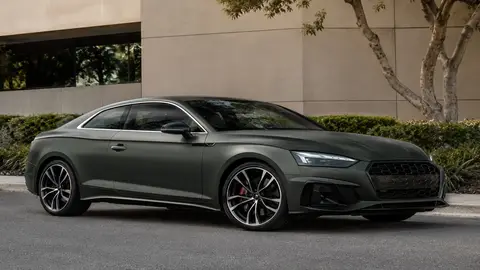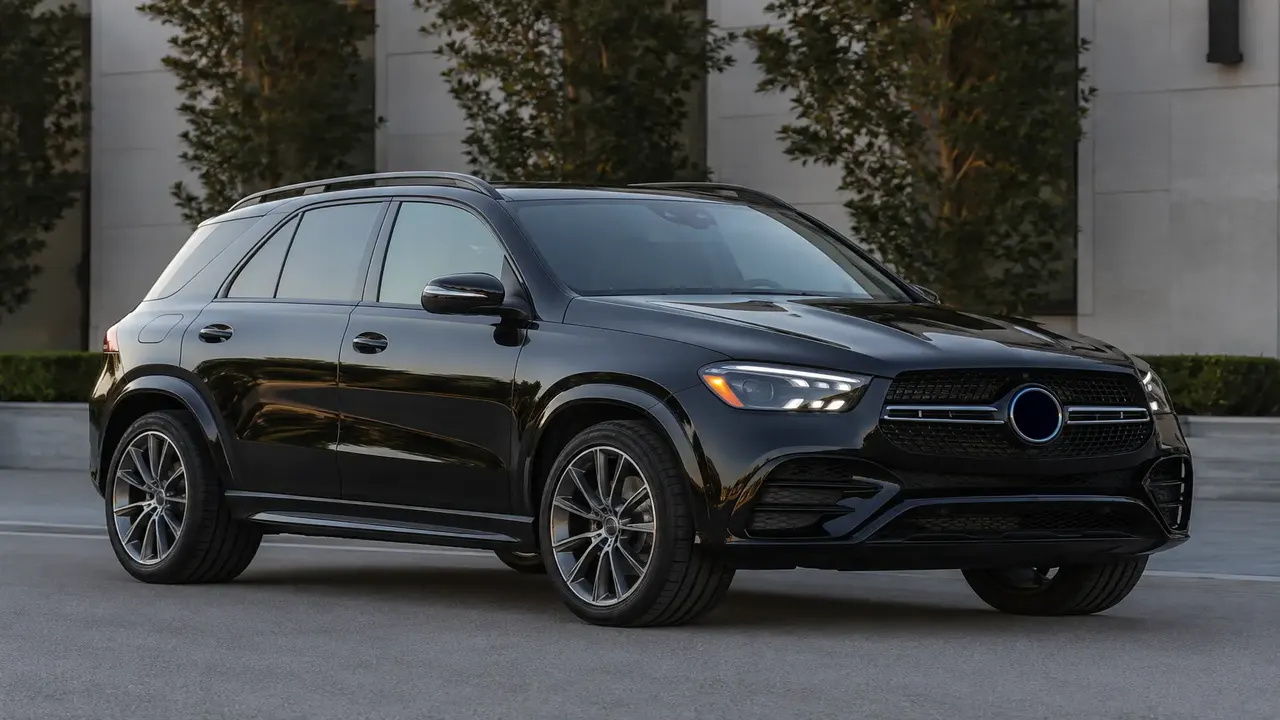
Mainstream Japanese and Korean brands, along with a handful of well-regarded American models, consistently rank among the cheapest to maintain over 10 years in independent studies, often averaging well under half the lifetime maintenance cost of premium European brands. The biggest cost drivers are parts availability and price, service network competition, and how complex the drivetrain is — turbocharged and luxury-brand vehicles tend to cost more to maintain even when their reliability scores look similar to cheaper-to-maintain alternatives.
At a glance: maintenance cost drivers
| Factor | Effect on maintenance cost |
|---|---|
| Parts availability/price | Widely available, mass-produced parts cost less than niche or imported parts |
| Dealer/service network competition | More independent shops able to service a brand generally lowers labor cost |
| Drivetrain complexity | Turbocharged, all-wheel-drive, or luxury-brand systems typically cost more to maintain |
| Reliability vs maintenance cost | A reliable car can still be expensive to maintain if routine service itself is pricey |
| Extended warranty value | Can offset maintenance risk, especially on higher-complexity vehicles |
Reliability and maintenance cost are related but not the same thing
A car can have an excellent reliability reputation — meaning it rarely breaks down — while still being expensive to maintain, because routine services (oil changes, brake jobs, scheduled maintenance) simply cost more due to specialty parts, premium fluids, or a smaller network of shops able to service it competitively. Independent studies from sources like RepairPal and Consumer Reports track actual average annual repair and maintenance spend separately from reliability scores for exactly this reason.
Why mainstream brands tend to cost less to maintain
High-volume, mainstream brands benefit from widely available parts, strong competition among independent repair shops (not just brand dealerships), and generally simpler, well-proven drivetrains. Premium and luxury brands often have the opposite profile: specialized parts, dealer-dependent service, and more complex systems, which pushes up average annual maintenance cost even when the underlying reliability is comparable.
- Mainstream Japanese and Korean brands: consistently near the bottom of annual maintenance cost studies
- Well-regarded American sedans and trucks: often competitive on maintenance cost, particularly non-luxury trims
- European luxury brands: consistently among the highest average annual maintenance costs
- Turbocharged and performance variants: typically cost more to maintain than naturally aspirated versions of the same model
Drivetrain complexity
All-wheel drive, turbocharging, air suspension, and advanced electronics all add components that can eventually need service or repair, and specialty knowledge that not every independent shop has. A simpler, front-wheel-drive, naturally aspirated drivetrain is generally the cheaper long-term maintenance bet, all else being equal, even if it's less exciting on paper.
How to compare maintenance cost claims
Look for studies that report actual average annual (or 10-year total) maintenance and repair spend by brand or model, rather than relying on general reliability scores alone. RepairPal and similar sources publish this kind of cost-specific data, which is a more direct answer to "what will this cost me to maintain" than a reliability star rating.
When paying more for maintenance still makes sense
A vehicle with higher routine maintenance costs can still be the right choice if it offers meaningfully better fuel economy, resale value, or features that matter to you — maintenance cost is one input to total cost of ownership, not the only one. It's worth weighing alongside fuel costs, insurance, and depreciation rather than optimizing for it in isolation.
Don't assume a brand's overall reputation for reliability guarantees low maintenance costs. Some reliable vehicles still have expensive routine service due to specialty parts or a limited independent-shop network — check actual cost data, not just reliability scores.
Frequently asked questions
What brands are cheapest to maintain over time?
Are luxury cars always more expensive to maintain?
Does a turbocharged engine cost more to maintain?
How much does the average car cost to maintain per year?
Is reliability the same as low maintenance cost?
Sources & further reading
- RepairPal — reliability and maintenance cost ratings
- Consumer Reports — car reliability and owner cost data
Figures, prices and policy details were current at the last-updated date above. Automotive pricing, incentives and regulations change frequently — verify time-sensitive details with the linked primary sources. Read our editorial policy and fact-checking standards.