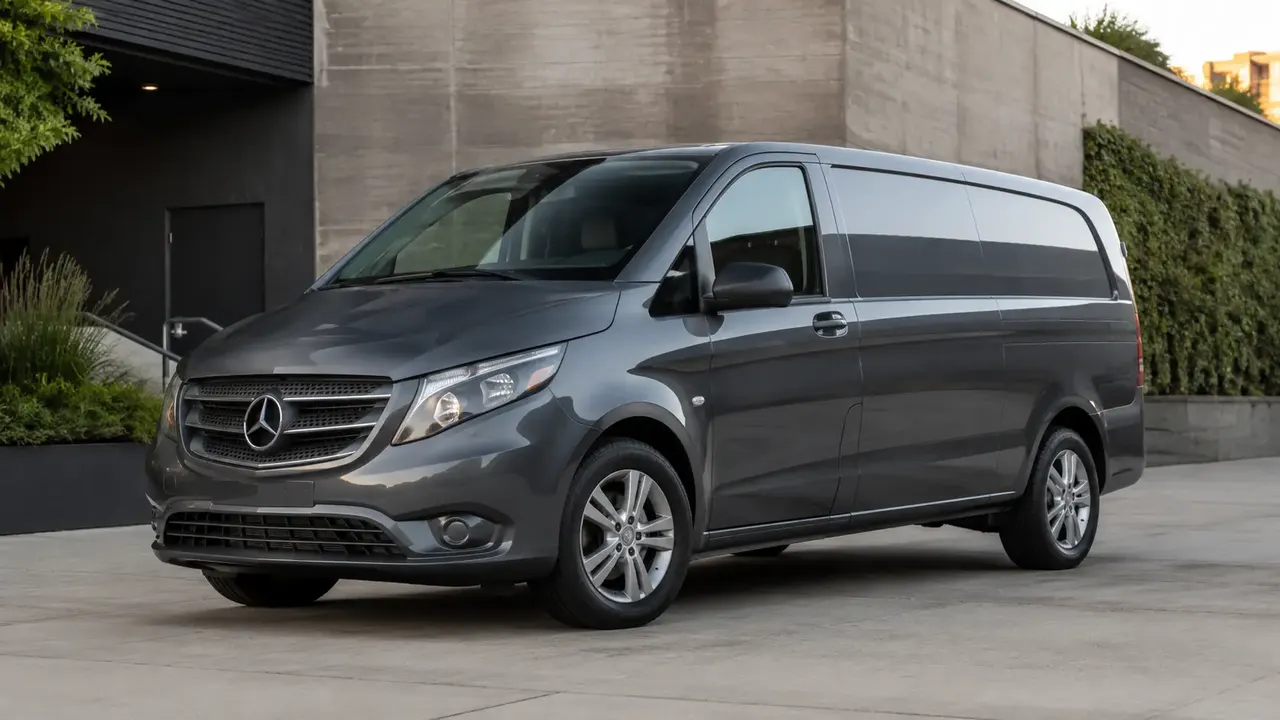
Businesses choosing fleet vehicles generally get the best results prioritizing low total cost of ownership (fuel/energy, maintenance, insurance, and resale value combined) over purchase price alone, along with parts and service network availability in the areas the fleet operates, and driver-friendliness (simple controls, comfortable seating for long shifts) to reduce turnover-related training time. Hybrid and electric options increasingly make sense for fleets with predictable, shorter daily routes, since fuel/energy savings compound quickly across high-mileage fleet use, while longer-haul or unpredictable-route fleets often still favor conventional or hybrid powertrains for range flexibility.
At a glance: the best fleet cars for businesses
| Fleet priority | Why it matters at scale |
|---|---|
| Total cost of ownership | Fuel, maintenance, insurance, and resale differences compound quickly across many vehicles and miles |
| Parts/service network | Downtime waiting for parts or a specialist mechanic is costly across a fleet |
| Driver-friendliness | Simple, comfortable vehicles reduce training time and driver fatigue-related incidents |
| Telematics/fleet-tracking compatibility | Needed for route optimization, maintenance scheduling, and driver safety monitoring |
| Resale value at fleet-cycle end | Fleets typically replace vehicles on a set cycle (e.g., 3-5 years); resale value offsets replacement cost |
Total cost of ownership beats purchase price
A fleet vehicle with a lower purchase price but higher fuel consumption, more frequent maintenance, or weaker resale value can cost meaningfully more over a typical 3-5 year fleet cycle than a pricier alternative. Businesses evaluating fleet vehicles should model fuel/energy cost, scheduled maintenance cost, expected repair frequency, insurance premiums, and projected resale value together, not just compare sticker prices across candidate vehicles.
Parts and service network availability
A vehicle that's excellent on paper becomes a liability if the business's service areas don't have convenient access to parts or qualified technicians, leading to longer downtime per repair. Mainstream, widely sold models generally have broader parts and service availability than niche or recently-launched models, which is a real consideration for fleets operating across multiple regions or in areas with limited dealer density.
Hybrid and electric options for fleets
Fleets with predictable, shorter daily routes and access to depot or overnight charging are often strong candidates for electric vehicles, since fuel savings and lower maintenance (fewer moving parts, no oil changes) compound quickly across high-mileage, multi-vehicle use. Fleets with longer, less predictable routes, or without reliable charging infrastructure at their operating locations, often still find hybrids or conventional vehicles more practical, at least until charging infrastructure and route conditions make full-EV adoption more straightforward.
Don't assume EV total cost of ownership automatically beats a conventional vehicle for every fleet use case — routes without reliable charging access, or vehicles that need to run long shifts without downtime for charging, can erase the fuel-cost advantage in practice. Model your specific routes and duty cycles before committing a fleet to one powertrain type.
Driver-friendliness and safety tech
Fleet drivers often spend many consecutive hours in the vehicle, so seat comfort, simple and intuitive controls, and good visibility reduce fatigue and can lower training time for new hires. Standard driver-assist safety features (automatic emergency braking, lane-keeping assist, blind-spot monitoring) are increasingly viewed by fleet operators as a cost-control measure, not just a safety nice-to-have, since they can meaningfully reduce at-fault collision frequency and the associated insurance and downtime costs.
Telematics and fleet management integration
Many fleet vehicles now support built-in or easily retrofitted telematics systems for route optimization, fuel/energy monitoring, maintenance scheduling, and driver behavior tracking. Confirming a candidate vehicle's compatibility with your fleet-management software (or the availability of a suitable factory or aftermarket telematics option) is worth checking before purchase, since retrofitting incompatible vehicles can add unplanned cost.
- Model total cost of ownership across the full fleet-replacement cycle, not just purchase price.
- Check parts/service network density in your actual operating regions.
- Match powertrain choice (EV/hybrid/conventional) to actual route length and charging access, not a blanket policy.
- Prioritize driver comfort and standard safety tech to reduce fatigue-related incidents and training time.
Frequently asked questions
Are electric vehicles cheaper to run as fleet vehicles?
What's more important for fleets, purchase price or total cost of ownership?
Do fleet vehicles need special safety features?
How often do businesses typically replace fleet vehicles?
Why does parts availability matter for fleet vehicle choice?
Sources & further reading
- U.S. General Services Administration - Fleet Vehicle Guidance
- U.S. Department of Energy - Fleet Fuel Efficiency Resources
Figures, prices and policy details were current at the last-updated date above. Automotive pricing, incentives and regulations change frequently — verify time-sensitive details with the linked primary sources. Read our editorial policy and fact-checking standards.