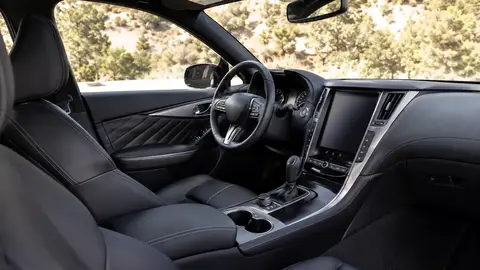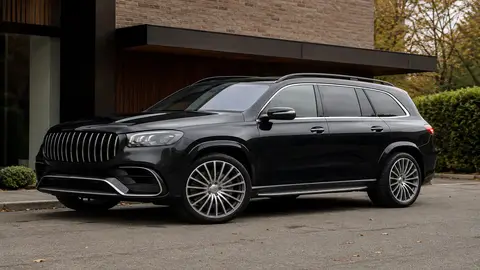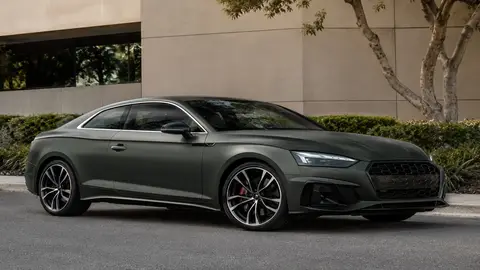
True Motion Auto scores vehicles using named, attributed criteria — safety ratings, reliability data, total cost of ownership, and segment-appropriate practicality factors — weighted according to what matters most for the specific comparison (a family SUV ranking weights cargo/safety more heavily than a sports-coupe comparison would). We do not conduct our own physical vehicle testing; our scores synthesize and weight independently sourced data rather than presenting an in-house lab result.
At a glance: our scoring inputs
| Input | Source type |
|---|---|
| Safety ratings | NHTSA, IIHS, Euro NCAP, or regional equivalent — named per vehicle's market |
| Reliability/dependability | J.D. Power, Consumer Reports, RepairPal, or similar named sources |
| Ownership cost | Depreciation studies, EPA/WLTP efficiency data, insurance industry data |
| Segment-specific practicality | Cargo, seating, towing, or other factors relevant to the specific comparison |
What we do and don't claim
True Motion Auto is an editorial content site, not an independent testing lab. We do not crash-test vehicles, dyno-test engines, or conduct our own controlled range or fuel-economy testing. Our scores and rankings synthesize data from named, independent, and where possible government or industry-standard sources, weighted and explained transparently, rather than presenting an unattributed in-house numeric score as if it were original lab data.
Our four core scoring inputs
Regardless of the specific comparison, we generally draw on four categories of evidence: safety ratings from the relevant regional testing body, reliability and dependability data from established independent sources, total cost of ownership factors, and practicality criteria specific to the comparison's purpose (a towing comparison weights towing capacity; a family SUV comparison weights cargo and safety features more heavily).
- Safety: cited from the relevant regional body (NHTSA, IIHS, Euro NCAP, or similar) for the vehicle's actual market
- Reliability: cited from named independent sources (J.D. Power, Consumer Reports, RepairPal, or similar)
- Ownership cost: depreciation, fuel/energy, insurance, and maintenance data from named industry sources
- Practicality: comparison-specific factors like cargo space, seating configuration, or towing capacity
How weighting changes by comparison type
We don't apply one fixed formula to every comparison. A ranking of family SUVs reasonably weights safety ratings and cargo practicality more heavily than a ranking of sports coupes would, where handling and performance characteristics (reported from reputable enthusiast and buff-book sources, since we don't track-test vehicles ourselves) matter more to that specific reader's decision. We state the weighting logic used for each specific ranking rather than applying a hidden universal formula.
Where subjectivity legitimately enters
Some factors genuinely resist pure quantification — interior design quality, infotainment usability, and driving feel are all real considerations that buyers care about but don't reduce cleanly to a data point. Where we include these, we describe them qualitatively and attribute them to test-drive impressions or aggregated expert/owner sentiment, rather than presenting a manufactured numeric score for something inherently subjective.
Balanced framing, not definitive verdicts
For comparisons involving specific named models, we frame our conclusions as "what buyers in this segment weigh" rather than a single definitive verdict, and we note who a vehicle suits as well as who it doesn't. This reflects the genuine reality that the 'best' choice depends on individual priorities, budget, and use case, not just an aggregate score.
Any score or ranking claim we publish can be traced back to a named data source or a clearly disclosed editorial judgment. We do not present unattributed numeric scores as if they were independently tested facts.
How readers can push back on a ranking
Because our scoring inputs are named and disclosed, readers can evaluate whether a given weighting matches their own priorities — someone who doesn't care about cargo space, for instance, can discount that portion of a family SUV ranking accordingly. We see this transparency as part of a fair scoring approach, rather than trying to produce one score that suits every reader's situation.
Frequently asked questions
Does True Motion Auto crash-test or dyno-test cars?
How do you decide how to weight different scoring factors?
Are your rankings the single 'best' answer for every buyer?
Where does your safety rating data come from?
How do you handle subjective factors like interior design or driving feel?
Sources & further reading
Figures, prices and policy details were current at the last-updated date above. Automotive pricing, incentives and regulations change frequently — verify time-sensitive details with the linked primary sources. Read our editorial policy and fact-checking standards.