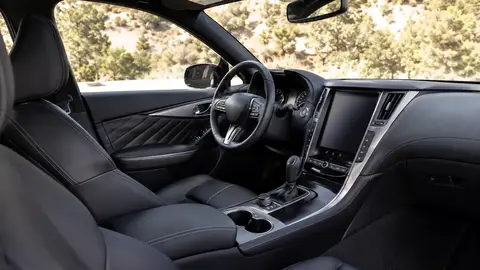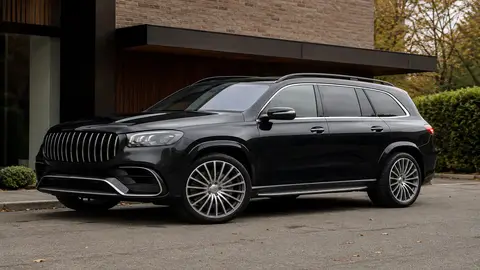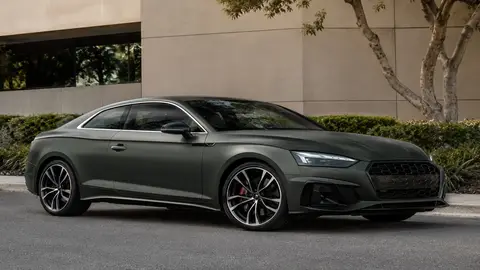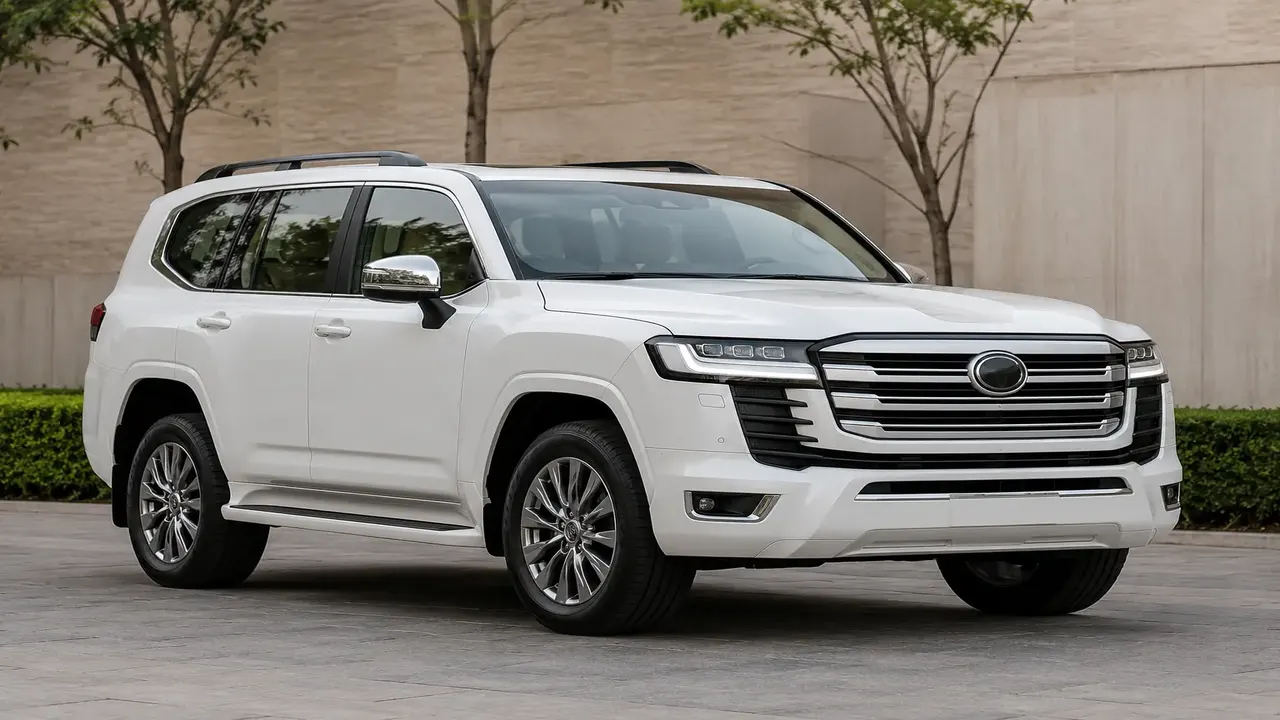
The Most Researched Cars list ranks vehicles by aggregated buyer research activity — search interest trends, comparison-tool usage, and on-site page views — over a rolling 90-day window, refreshed monthly. It measures interest, not quality or sales volume: a car can top the list because of hype, a new redesign, or a recall controversy just as easily as because it's genuinely a strong buy, so we pair the list with links to actual review and reliability data rather than presenting it as a quality ranking.
At a glance: how the most researched cars list is compiled
| Detail | Value |
|---|---|
| Measurement window | Rolling 90 days |
| Refresh frequency | Monthly |
| Primary signals | Search interest trends, on-site comparisons, page views |
| What it measures | Buyer research interest, not quality or sales |
| What it doesn't measure | Actual sales volume, reliability, or satisfaction |
What "most researched" actually measures
This list tracks how much active research interest a vehicle is getting — aggregated public search-interest trends, how often a model appears in on-site comparison-tool sessions, and page-view activity on its review and spec pages. It is a proxy for buyer curiosity and market attention, not a proxy for build quality, reliability, or how many units are actually selling.
Why a car can top the list without being a top pick
- A major redesign or new generation launch drives a spike in research interest regardless of how the new model eventually reviews.
- Recall or safety news drives a surge in searches from concerned current owners, not necessarily prospective buyers.
- Viral marketing or a high-profile reveal event can spike interest well ahead of any real-world ownership data existing.
- Price changes or new incentive programs often cause a short-term research spike independent of the vehicle's underlying merits.
How the ranking is actually calculated
- Aggregate anonymized search-interest trend data for each tracked model over the trailing 90 days.
- Combine with on-site signals: comparison-tool inclusion rate and page-view volume for that model's content.
- Normalize for total category search volume so a niche segment (e.g., pickup trucks) isn't unfairly buried under a much larger one (e.g., compact SUVs).
- Rank and publish, refreshed on a monthly cycle, with the exact refresh date shown on the page.
How this differs from a sales chart or a quality ranking
| List type | What it measures | Where to find it |
|---|---|---|
| Most Researched Cars | Buyer research interest/attention | This page |
| Sales rankings | Actual units sold/registered | Manufacturer/industry sales reports |
| Editors' Choice | Editorial quality judgment across fixed criteria | Editors' Choice methodology page |
| User-Rated Rankings | Aggregated verified owner satisfaction scores | User-Rated Rankings methodology page |
How to use this list responsibly
Treat it as a starting point for "what's getting attention right now," then cross-reference with an actual quality or reliability source before deciding a car is worth buying. We link directly from each entry to that model's review and, where available, its reliability data, specifically so research interest isn't mistaken for a recommendation.
A spike driven by recall news can push a car to the top of a "most researched" list for the wrong reason. Always click through to the actual review before treating high research interest as a positive signal.
Frequently asked questions
Does being on the Most Researched Cars list mean it's the best car?
How often is the list updated?
Is this the same as a sales chart?
Why did a car jump the list after a recall?
Where can I find an actual quality ranking instead?
Sources & further reading
Figures, prices and policy details were current at the last-updated date above. Automotive pricing, incentives and regulations change frequently — verify time-sensitive details with the linked primary sources. Read our editorial policy and fact-checking standards.