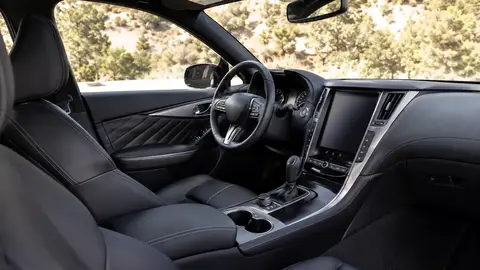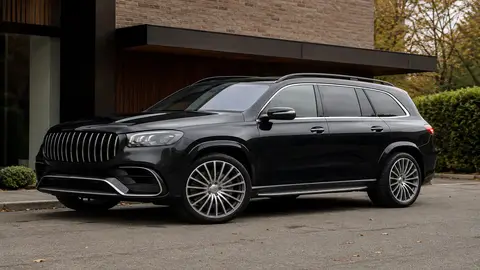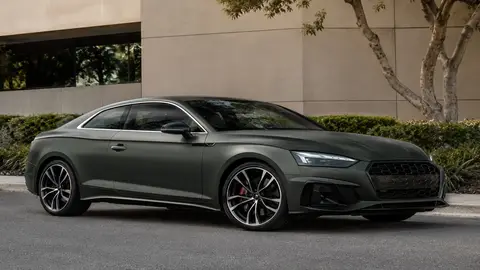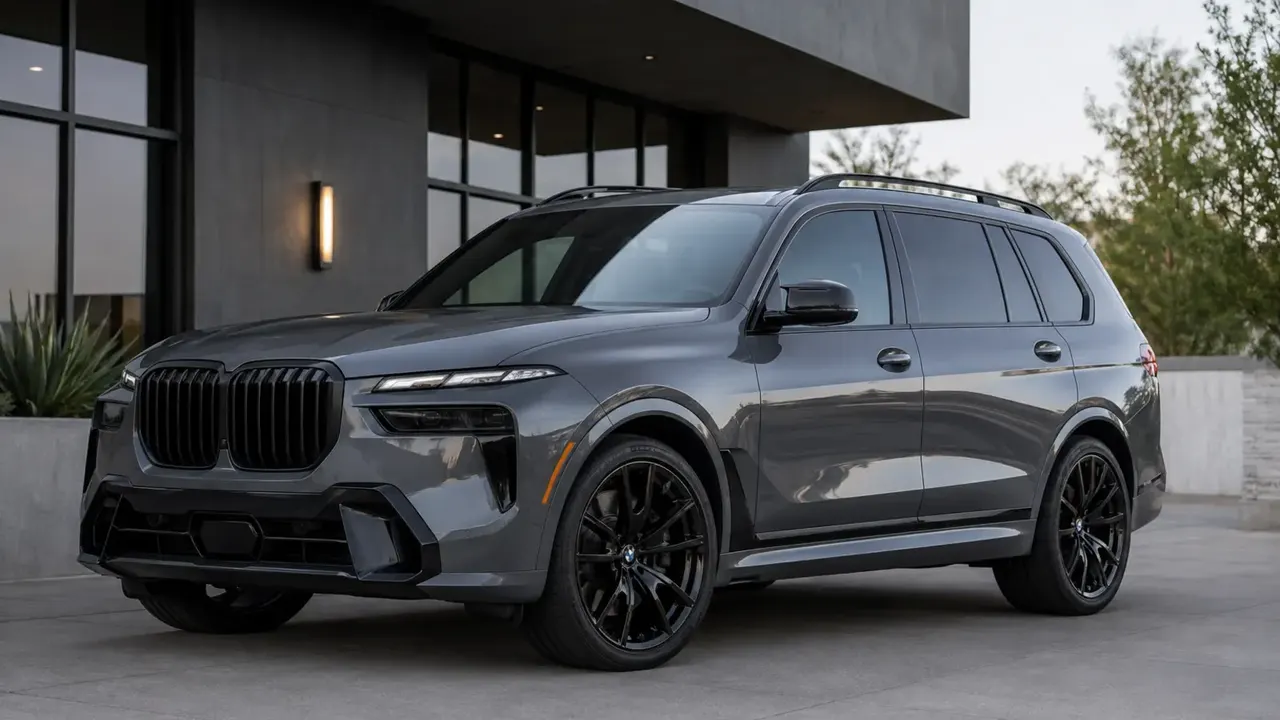
A one-year-old used car has typically already lost the sharpest slice of new-car depreciation (often 20%+ in year one) while still carrying most of its factory warranty and essentially current-generation technology — usually for 10-20% less than the new price. A five-year-old car costs substantially less again, often 40-60% below original MSRP, but factory warranty coverage has usually expired or is close to it, maintenance items (tires, brakes, battery) are more likely due soon, and its tech/safety features may be a generation or two behind current models.
At a glance: 1-Year-Old vs 5-Year-Old used cars
| Factor | 1-year-old car | 5-year-old car |
|---|---|---|
| Typical price vs. new MSRP | ~10-20% below new | ~40-60% below new |
| Remaining factory warranty | Usually most of it left | Often expired or nearly expired |
| Technology/safety features | Essentially current | 1-2 generations behind current |
| Maintenance due soon | Minimal — still largely 'new car' condition | Brakes, tires, battery, timing components more likely due |
| Risk of unknown issues | Low | Moderate — inspection and history report matter more |
| Best for | Buyers wanting near-new for less, low risk tolerance | Buyers prioritizing lowest price, comfortable with more upkeep |
Where the value curve sits at each age
Depreciation is steepest in year one and gradually flattens after that, which is why a one-year-old car often looks like the 'smart shopper' choice: you dodge the worst of the drop while getting a car that's nearly indistinguishable from new in features, tech, and condition. A five-year-old car sits much further down the depreciation curve — often 40-60% below its original price — which is a bigger discount, but it also means you're buying into a different risk and maintenance profile.
Warranty coverage differences
Most mainstream brands offer factory warranties in the 3-year/36,000-mile to 5-year/60,000-mile range (terms vary significantly by brand and region), so a one-year-old car usually still has the bulk of that coverage intact — real protection against a major unexpected repair bill. A five-year-old car has typically exhausted or nearly exhausted factory coverage, shifting more repair risk (and cost) onto the buyer unless an extended warranty or certified pre-owned program is purchased separately.
Technology and safety feature gap
A one-year-old car will almost always have essentially the same infotainment, connectivity, and driver-assist features as the current model year, since vehicle generations typically run 5-7 years before a full redesign. A five-year-old car may still be within the same generation, but is more likely to be missing newer standard safety features that were added partway through a model's run, or running an older, less capable infotainment system.
Maintenance and wear items
By five years old (commonly 40,000-70,000 miles depending on usage), items like brake pads, tires, and the 12-volt battery have often been replaced at least once, and bigger-ticket maintenance (timing belts/chains on some engines, suspension bushings, spark plugs) starts entering the picture — costs a one-year-old car essentially never faces yet. Budgeting for these near-term maintenance items is essential when comparing the two on total cost, not just purchase price.
Mistakes to avoid
- Comparing sticker price only, without factoring in likely near-term maintenance costs on the older car.
- Assuming a five-year-old car automatically needs an extended warranty — check remaining coverage and the specific model's reliability record first.
- Overlooking a full vehicle history report and independent inspection on either age, but especially the older car.
- Ignoring insurance cost differences — insurers price risk differently by vehicle age and safety-feature set.
Which age suits which buyer
Choose a one-year-old car if you want near-new condition, current technology, and warranty peace of mind at a modest discount, and can afford the higher price than an older used car. Choose a five-year-old car if minimizing purchase price is the top priority, you're comfortable budgeting for upcoming maintenance, and you've done thorough due diligence (history report, independent inspection) on the specific vehicle.
Frequently asked questions
How much cheaper is a 5-year-old car than a 1-year-old car?
Does a 1-year-old used car still have a full warranty?
What maintenance should I expect on a 5-year-old car?
Is a 1-year-old car basically the same as a new car?
Should I get an independent inspection on a 1-year-old car too, or just older ones?
Sources & further reading
- Kelley Blue Book — vehicle depreciation and valuation research
- Consumer Reports — used car reliability and buying guidance
Figures, prices and policy details were current at the last-updated date above. Automotive pricing, incentives and regulations change frequently — verify time-sensitive details with the linked primary sources. Read our editorial policy and fact-checking standards.