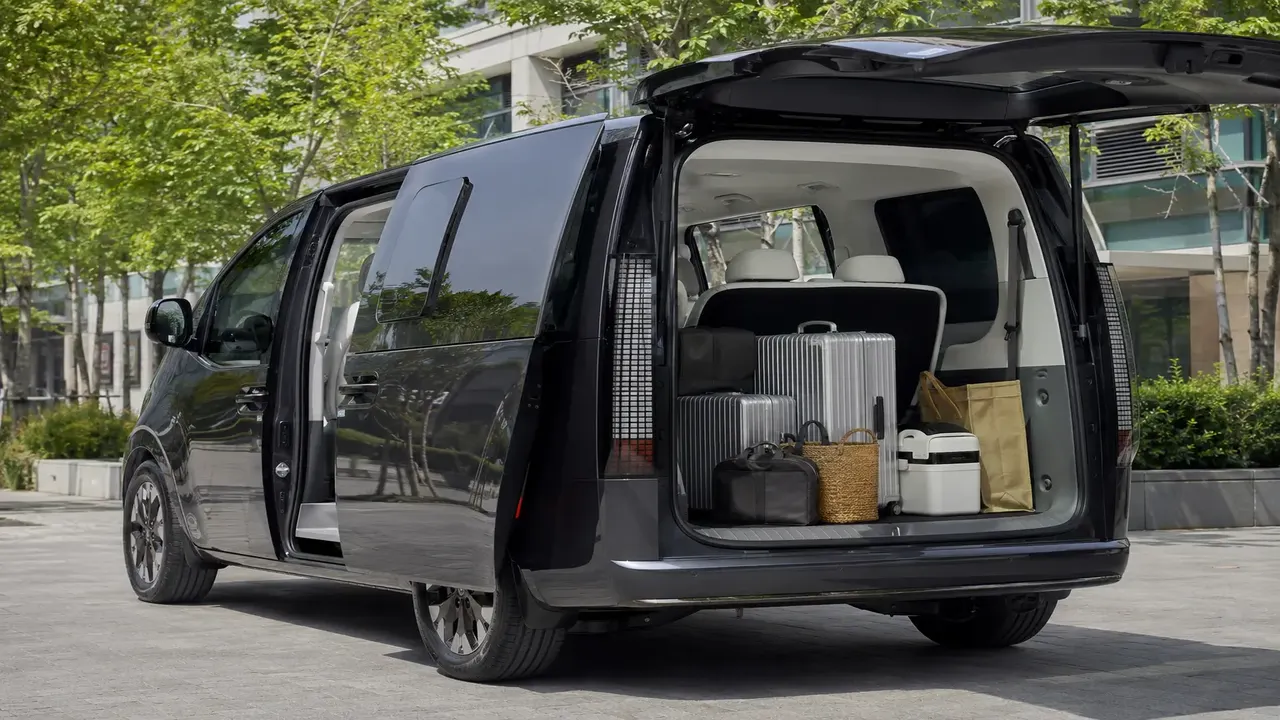
A solid Indian road-trip kit costs roughly ₹2,000-4,000 to assemble and fits in the boot alongside the spare wheel: reflective triangle, jack and wheel spanner, jumper cables, a tyre inflator/puncture kit, torch, first-aid box, a fire extinguisher (mandatory for CNG-fitted vehicles), tow rope, basic tool kit, and drinking water. Add a power bank, printed copies of your RC/insurance/PUC, and your insurer's roadside assistance number saved offline in case you lose signal on a highway.
At a glance
| Item | Why it matters |
|---|---|
| Reflective warning triangle | Legally advisable and prevents rear-end collisions on highways/at night |
| Fire extinguisher | Mandatory for CNG/LPG-fitted vehicles under motor vehicle rules |
| Jumper cables | Battery failures are the top breakdown cause, especially after monsoon damp |
| Tow rope + basic tool kit | Covers the gap until roadside assistance arrives |
| First-aid kit + ORS/water | Essential on highways far from medical help, especially in summer |
| Power bank + printed documents | Keeps you reachable and verifiable if your phone dies |
The core kit every car should carry
- Reflective warning triangle (place it 15-20 metres behind the car if stopped on a highway)
- Spare wheel, jack and wheel spanner — check the spare's pressure every few months, not just when you need it
- Jumper cables or a portable jump-starter pack
- Tyre inflator or a puncture repair kit for tubeless tyres
- LED torch or headlamp with spare batteries
- Basic tool kit: screwdrivers, pliers, adjustable wrench, insulation tape
- Tow rope rated for your vehicle's weight
- Spare fuses and a spare bulb set
Safety and first-aid items
Keep a compact first-aid kit with antiseptic, bandages, paracetamol and any personal medication. A fire extinguisher is not optional if your car runs on CNG or LPG — it's a legal requirement under the Central Motor Vehicle Rules for gas-fitted vehicles, and worth having anyway in petrol/diesel cars. A seatbelt cutter/window breaker tool is cheap and genuinely useful if a car ends up in water during monsoon flooding or off a road.
What to add for monsoon and summer driving
Before the monsoon, add a rain poncho, a small umbrella, and extra ORS sachets and drinking water — flooded stretches mean longer waits for assistance and dehydration risk if you're stuck in traffic for hours. In peak summer, carry more water than you think you need, a spare engine coolant bottle, and sun protection; a car sitting in a traffic jam in 42°C heat with a struggling AC is a genuinely different situation from a monsoon breakdown.
Documents and connectivity
Keep printed or offline-saved copies of your RC, insurance policy, PUC certificate and driving licence — mobile networks drop out on many highway stretches and hill roads, and a dead phone shouldn't mean you can't prove the car is legally yours. Save your insurer's roadside assistance number, your car manufacturer's helpline, and the national highway helpline 1033 somewhere that doesn't depend on a charged phone.
Never restart a car that has stalled in deep water. Attempting to crank the engine can pull water into the cylinders and cause catastrophic hydrostatic lock damage — call for a tow instead.
Frequently asked questions
Is it mandatory to carry a fire extinguisher in a car in India?
What should I do if my car breaks down on a highway at night?
How often should I check my spare tyre?
What's the national highway breakdown helpline number in India?
Should I carry cash in my emergency kit?
Sources & further reading
Figures, prices and policy details were current at the last-updated date above. Automotive pricing, incentives and regulations change frequently — verify time-sensitive details with the linked primary sources. Read our editorial policy and fact-checking standards.