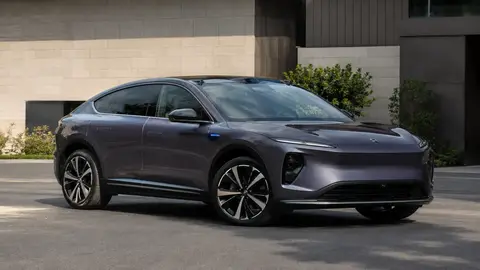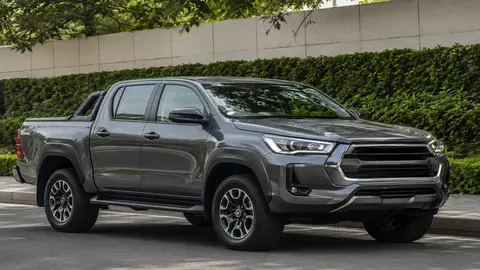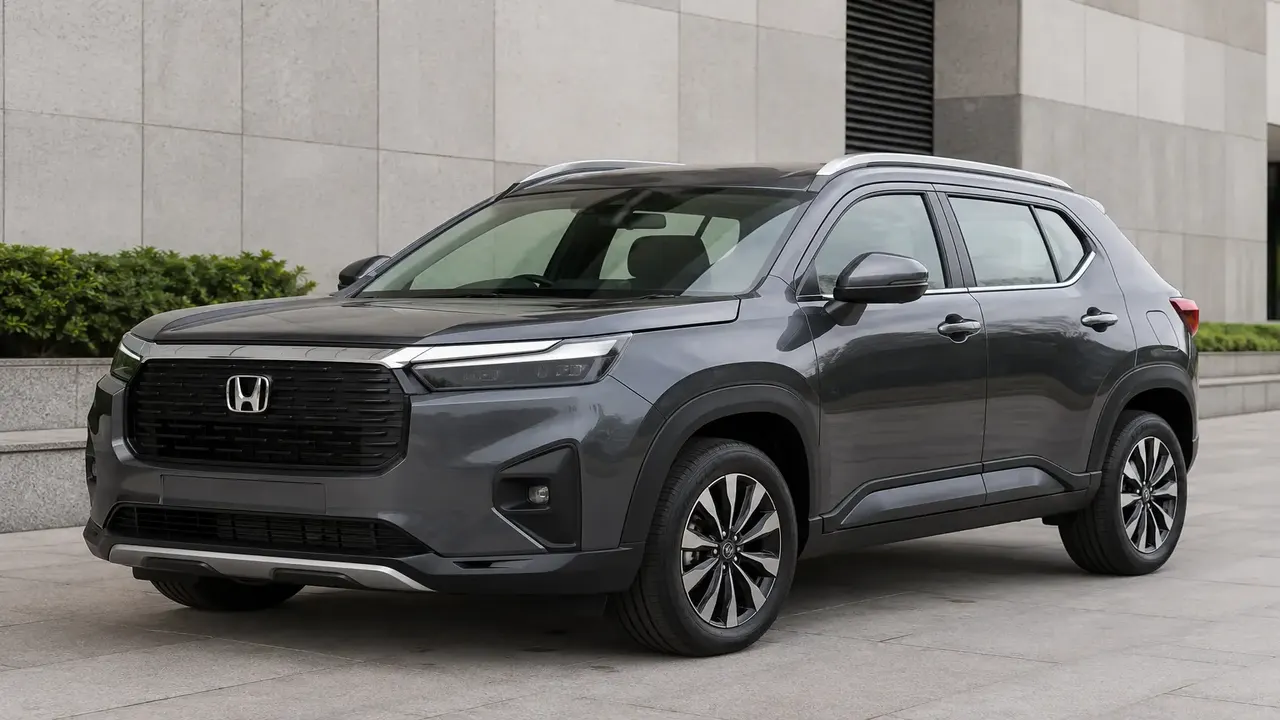
Expect to budget roughly ₹8,000-₹15,000 a year for a hatchback, ₹12,000-₹22,000 for a sedan, and ₹18,000-₹35,000 for an SUV on routine maintenance in India, rising by 40-60% once the car exits its factory warranty (typically after 3 years/100,000 km) as wear items like suspension bushes, clutch plates, and batteries start needing replacement. Diesel cars generally cost more to maintain than petrol due to injector and turbo servicing, while EVs run 30-50% cheaper on routine maintenance thanks to fewer moving parts, offset partly by higher tyre wear from extra weight.
At a glance
| Segment | Approx. annual maintenance (post-warranty) |
|---|---|
| Hatchback (petrol) | ₹8,000 - ₹15,000 |
| Sedan (petrol) | ₹12,000 - ₹22,000 |
| Compact/mid-size SUV | ₹18,000 - ₹35,000 |
| Diesel variants (any segment) | Add roughly 15-25% over equivalent petrol |
| Electric vehicle | 30-50% lower than an equivalent petrol car |
Why costs jump after year three
Most manufacturer warranties in India run 3 years or 100,000 km, whichever comes first, and typically cover manufacturing defects rather than wear-and-tear items. Once that window closes, owners start paying full price for parts that naturally wear out — suspension bushes and links, clutch plates, wheel bearings, and the 12V battery, which usually needs replacing around the 3-4 year mark. This is why maintenance spend often jumps 40-60% in year four compared to years one through three, even with identical driving habits.
What a routine service actually includes
- Engine oil and filter change — typically every 10,000-15,000 km or annually, whichever comes first
- Air filter and cabin filter replacement — roughly every 15,000-20,000 km, sooner in dusty cities
- Brake pad inspection and replacement — pads typically last 25,000-40,000 km depending on driving style and traffic conditions
- Coolant top-up/replacement on a multi-year cycle per manufacturer schedule
- Wheel alignment and balancing — recommended every 10,000 km or after hitting a significant pothole
Segment and fuel-type differences
SUVs cost more to maintain than hatchbacks primarily because of larger tyres, heavier brake components, and often more complex suspension systems. Diesel engines add cost through periodic injector cleaning, turbocharger servicing, and diesel particulate filter (DPF) considerations on BS6 models — DPF-related issues, if driving is mostly short city trips without sustained highway runs, can be a real and sometimes expensive concern.
Electric vehicles skip engine oil changes, timing components, exhaust systems and clutch wear entirely, which is why routine maintenance is meaningfully cheaper — but EVs are heavier due to battery weight, so tyres often wear faster and may need replacement sooner than on an equivalent petrol car.
Year-by-year rough budget (mid-size sedan example)
| Year | What typically comes due | Approx. cost |
|---|---|---|
| 1 | First service (often free), minor top-ups | ₹0 - ₹3,000 |
| 2-3 | Scheduled services, still under warranty | ₹6,000 - ₹12,000/yr |
| 4-5 | Warranty ends; battery, brake pads, possible clutch wear | ₹15,000 - ₹25,000/yr |
| 6-8 | Suspension bushes, bigger brake jobs, tyres due for replacement | ₹18,000 - ₹30,000/yr |
| 9+ | Ageing seals, gaskets, more frequent electrical fixes | ₹20,000 - ₹35,000+/yr |
How to reduce maintenance costs without cutting corners
- Follow the manufacturer's service schedule rather than stretching intervals to save money — deferred maintenance is usually more expensive later
- Compare authorised centre pricing with a trusted local garage for out-of-warranty work (see our authorised vs local garage guide)
- Buy an Annual Maintenance Contract (AMC) if you plan to keep the car 4+ years — these bundle labour and sometimes parts at a discount versus pay-as-you-go pricing
- Address small noises and warning lights early — a ₹500 sensor check now can prevent a ₹15,000 component failure later
- Keep tyres correctly inflated and get wheel alignment checked regularly — this alone extends tyre life and reduces suspension wear
Don't judge total cost of ownership by the sticker price alone — a diesel SUV can cost ₹10,000-₹15,000 more per year to maintain than a comparable petrol hatchback once both are out of warranty. Skipping the coolant/brake fluid replacement schedule to save money is one of the most common causes of expensive engine or brake system damage later.
Frequently asked questions
How much does car maintenance cost per year in India?
Is diesel more expensive to maintain than petrol in India?
Do electric cars really cost less to maintain in India?
Is an Annual Maintenance Contract (AMC) worth buying?
What car maintenance item is most commonly skipped in India?
Sources & further reading
- Ministry of Road Transport & Highways — vehicle standards
- Bureau of Energy Efficiency — vehicle fuel economy data
Figures, prices and policy details were current at the last-updated date above. Automotive pricing, incentives and regulations change frequently — verify time-sensitive details with the linked primary sources. Read our editorial policy and fact-checking standards.