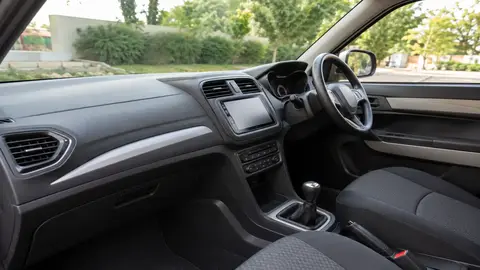
Flood-damaged cars are frequently cleaned up and resold with no disclosure, especially after major monsoon flooding in cities like Mumbai, Chennai, Bengaluru and the Delhi-NCR region. Tell-tale signs include a musty or heavy air-freshener smell, water tide-lines under the seats or carpet, rusted screws under the dashboard or seat rails, foggy interior condensation in headlight or taillight lenses, and silt residue in the spare wheel well. Always get a pre-purchase inspection (PPI) from an independent mechanic and check the RC and insurance claim history before buying any used car from a flood-prone city, especially one bought within a year or two of a major flood event.
At a glance
| Check | Red flag |
|---|---|
| Smell | Musty odour or unusually strong air freshener masking it |
| Under seats/carpet | Water tide-lines, stains, or mismatched new carpet in an older car |
| Under dashboard/seat rails | Rusted or corroded screws that should still be shiny in a low-mileage car |
| Headlight/taillight lenses | Fogging or moisture trapped inside the lens assembly |
| Spare wheel well/boot | Silt, dried mud residue, or a musty boot smell |
| Electricals | Flickering dashboard lights, erratic power windows, corroded connectors |
Why flood-damaged cars end up back on the used market
After major flooding events, thousands of vehicles are damaged badly enough to be declared a total loss (total constructive loss) by insurers, or damaged just short of that threshold. Some totalled vehicles are legitimately sold as salvage for parts, but a portion are quietly repaired cosmetically and resold through informal channels without disclosure, particularly outside organised used-car platforms. Because water damage often doesn't show up as a visible dent, an unsuspecting buyer can end up with a car whose wiring, sensors and structural components will start failing months or years later.
Physical checks you can do yourself
Smell and interior
Sit inside with the windows shut for a minute — a musty, mildew-like smell is hard to fully remove even after professional cleaning. Be suspicious of an overwhelming air-freshener smell in an otherwise ordinary used car, since it's a common way sellers mask lingering odour.
Water lines and mismatched materials
Lift the edge of the carpet or floor mats and check for tide-mark staining, which shows where water sat for a period. Check if the seat fabric, carpet, or door card colour/texture looks newer or slightly mismatched compared to the rest of the interior — a sign of partial replacement after water damage.
Hidden metal parts
Unscrew or peek under a seat rail, or look at screws under the dashboard and inside the glovebox. In a car with genuinely low mileage and age, these should still look factory-fresh; rust or corrosion here is a strong sign of prior water exposure, since these areas rarely get wet in normal use.
Lights and electricals
Check headlight and taillight lens interiors for condensation or a foggy film that doesn't clear when the lights are on for a while — water ingress into sealed lens assemblies is a classic flood-damage giveaway. Test every electrical function — power windows, central locking, infotainment, dashboard warning lights — for anything erratic or slow to respond.
Under the bonnet and spare wheel well
Look for silt or dried mud in the spare wheel well, around the battery tray, and in door drain channels — areas that shouldn't collect debris in normal driving. A whitish, milky tint in the engine oil (visible on the dipstick) can indicate water contamination of the engine, a serious and expensive problem.
Paperwork and history checks
- Check the RC for any remarks about the vehicle being declared a total loss or salvage — though not all such records are consistently logged
- Ask the seller for the full insurance claim history and cross-check with the insurer directly if possible, especially for claims filed shortly after a known local flooding event
- Check whether the car was registered or last serviced in a city that experienced major flooding in the relevant year
- Get a pre-purchase inspection (PPI) from an independent, brand-agnostic mechanic — this is the single most reliable safeguard and typically costs a small fraction of what a hidden flood-damage repair would cost later
A car being sold well below market price by a seller who wants a quick, no-questions sale — especially soon after a major regional flood — deserves extra scrutiny. A fresh coat of underbody rust-proofing on an otherwise ordinary used car can be a legitimate maintenance step, but it can also be used to mask early corrosion — ask when and why it was done.
Frequently asked questions
How can I tell if a used car was flood-damaged in India?
Do flood-damaged cars show up in the RC or vehicle history?
Is it ever safe to buy a flood-damaged car in India?
Can flood damage void my car insurance later?
How much does a pre-purchase inspection cost in India?
Sources & further reading
Figures, prices and policy details were current at the last-updated date above. Automotive pricing, incentives and regulations change frequently — verify time-sensitive details with the linked primary sources. Read our editorial policy and fact-checking standards.