A proper Pre-Delivery Inspection (PDI) takes 20-30 minutes at the dealership before you sign the delivery note, and covers the manufacture date (should ideally be within 2-3 months of delivery), odometer reading (should read under roughly 10-20 km, only from factory-to-dealer and internal test drives), panel gaps and paint consistency, tyre production date (a 4-digit code — check none are older than the car itself), and a match between the invoice, accessories fitted, and what's physically in the car. Never sign the delivery acceptance form before completing this check.
PDI checklist at a glance
| Check | What to look for | Red flag |
|---|---|---|
| Manufacture date (on RC/chassis plate) | Within 2-3 months of delivery | Car manufactured 6+ months ago |
| Odometer reading | Typically under 10-20 km | Reading in the hundreds/thousands |
| Exterior paint & panel gaps | Even gaps, no overspray, consistent shine | Mismatched panel colour, orange peel texture |
| Tyres (all 5 incl. spare) | Production week/year code, same brand/model | Old production date, mismatched tyres |
| Fluids (engine oil, coolant, brake fluid) | At correct levels, no leaks | Low levels or visible leak stains |
| Documents & accessories | RC, invoice, insurance copy, manual, 2 keys | Missing keys, accessories not matching invoice |
Why PDI matters even for a 'brand new' car
Cars can sit in a stockyard or dealer lot for weeks to months before delivery, get moved by multiple people, and occasionally suffer minor transit or storage damage before you ever see them. A PDI isn't about distrust of the manufacturer — it's about catching the small percentage of cars with a genuine defect, an outdated build, or a delivery mix-up before you drive away and lose most of your leverage to get it fixed for free.
Step-by-step PDI checklist
- Documents first
- Match the chassis and engine numbers on the car to the invoice and RC application.
- Confirm the invoice lists the exact variant, colour, and accessories you paid for.
- Check you're receiving 2 keys (or the correct number for your model), the owner's manual, warranty card, and service booklet.
- Verify the insurance policy copy shows the correct IDV, your name (or the intended registered owner's name), and correct engine/chassis numbers.
- Exterior
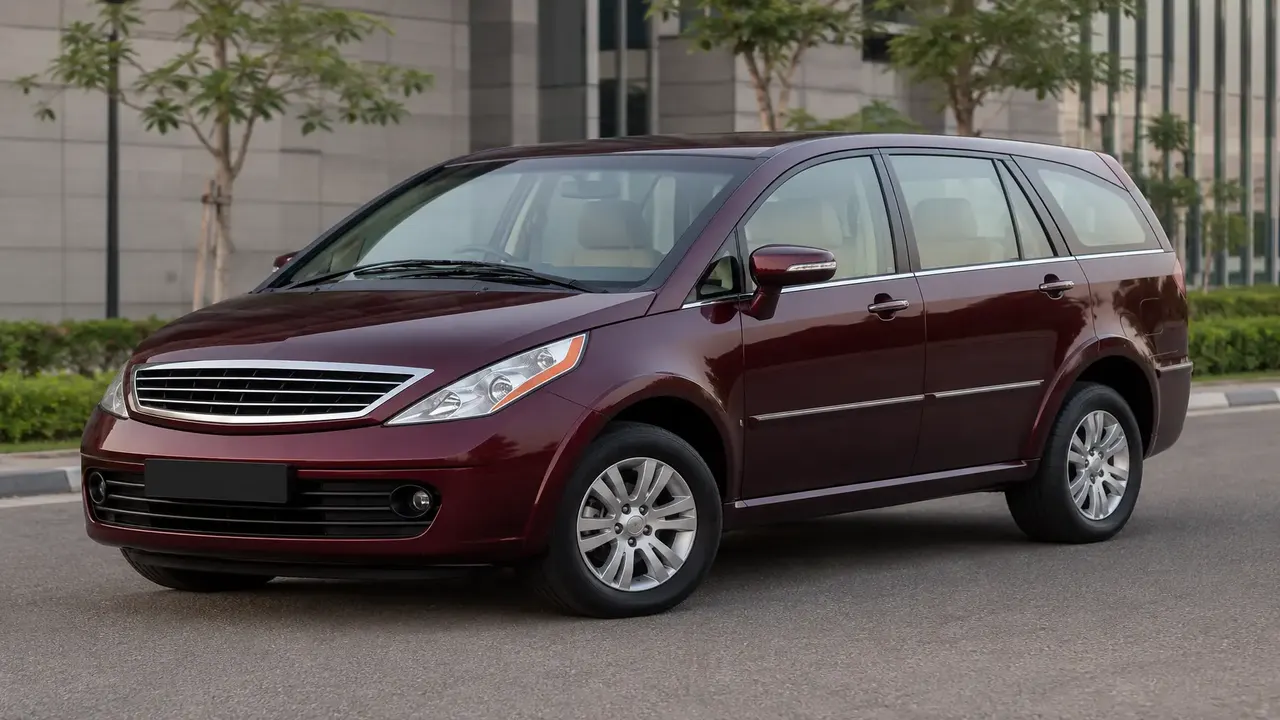
- Walk around in daylight (not under showroom spotlights, which hide flaws) and check panel gaps are even on both sides of the car.
- Look for paint inconsistency, overspray on rubber trim, or a slightly different shade on any one panel (a sign of accident repair before you ever took delivery).
- Check all glass for the manufacturer's stamped date code — should be recent, not years old.
- Inspect tyres: each has a 4-digit DOT/production code (week + year, e.g. '2226' = 22nd week of 2026) — make sure none pre-date the car by more than a few months, and that the spare matches too.
- Interior and mechanical
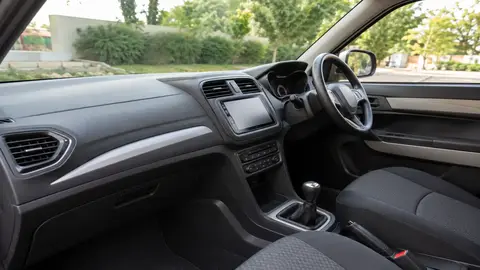
- Check the odometer — a genuinely new car should read only the few kilometres used for factory testing and dealer transport/test drives, typically under 10-20 km.
- Test all electronics: infotainment, power windows, central locking, AC, wipers, horn, all lights (indicators, headlamps, fog lamps, reverse).
- Open the bonnet and check engine oil, coolant and brake fluid levels, and look for any leak stains.
- Check upholstery, dashboard and boot for stains, tears or leftover protective film that should have been removed.
- Before you drive off
- Take a short test drive at the dealership if the manufacturer/dealer allows it — listen for unusual noise, check braking feels normal, and confirm the steering doesn't pull.
- Photograph the odometer, exterior (all four sides) and interior before signing — this is your evidence if something is disputed later.
- Only sign the delivery acceptance/PDI form after you're satisfied — once signed, disputing pre-existing damage becomes much harder.
If the car's manufacture date is more than 3-4 months before your delivery date, ask why — a long stockyard stay can mean more time for rubber components, battery charge and even paint to degrade slightly, even if nothing looks visibly wrong.
Frequently asked questions
What is PDI in car buying?
How many kilometres should a new car's odometer show at delivery?
What does the tyre production date code mean?
Can I refuse to take delivery if I find a defect during PDI?
Is it normal for a new car to have been manufactured months before delivery?
Sources & further reading
Figures, prices and policy details were current at the last-updated date above. Automotive pricing, incentives and regulations change frequently — verify time-sensitive details with the linked primary sources. Read our editorial policy and fact-checking standards.