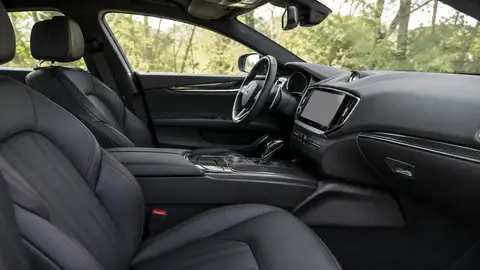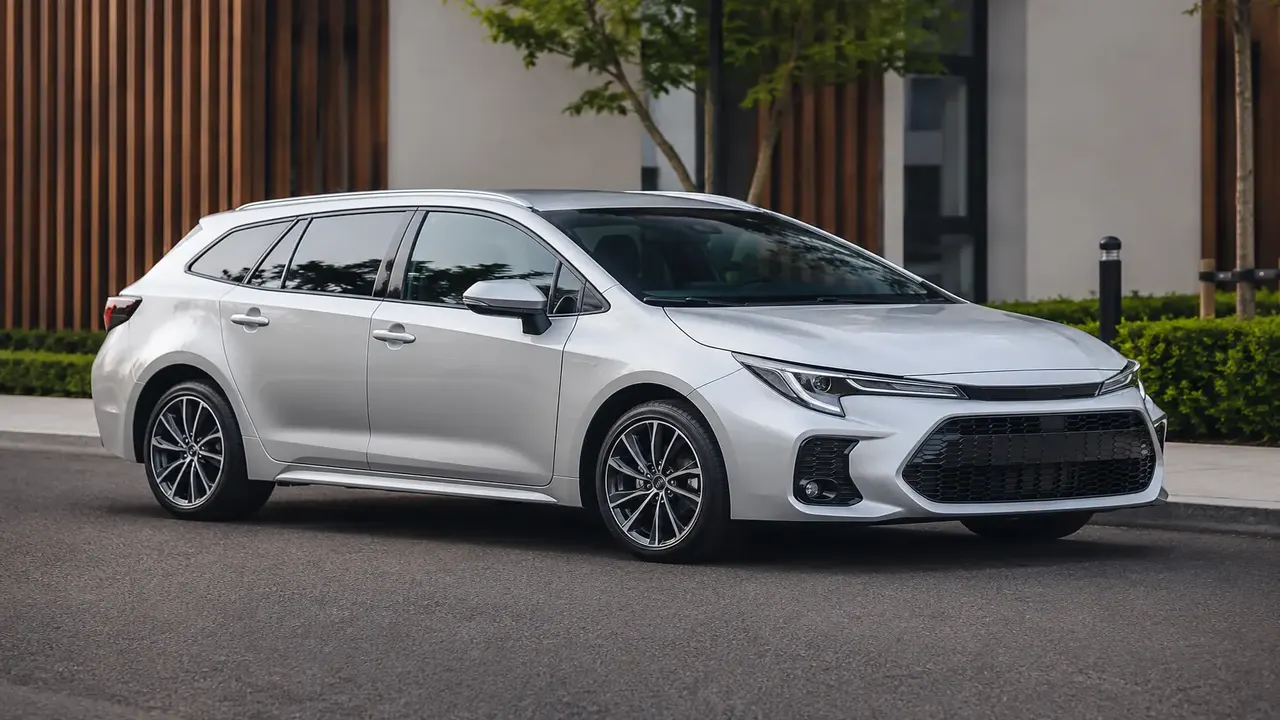
Check tire pressure monthly with a cheap gauge (correct pressure is listed on a sticker inside the driver's door, not on the tire itself), check engine oil level every few weeks with the dipstick when the engine's cold, and learn what your dashboard warning lights mean before one lights up on a highway. Get the first scheduled service done on time even if the car feels fine — most warranties require it. Keep a basic emergency kit (jumper cables, flashlight, tire gauge) in the trunk, and know the location of your nearest trusted mechanic before you need one urgently.
At a glance
| Task | How often |
|---|---|
| Tire pressure check | Monthly, and before long trips |
| Oil level/condition check | Every 2-4 weeks between oil changes |
| First scheduled service | Per owner's manual — often 6 months or 5,000-7,500 miles |
| Wiper blades | Replace at first sign of streaking, roughly annually |
Read the owner's manual — really
It sounds obvious, but the owner's manual is the single best source for your specific car's fluid types, tire pressure, and service intervals — generic advice online is a fine starting point, but your manual overrides it every time there's a conflict. It's also where you'll find what every dashboard warning light and symbol actually means, which is much better learned at home than while driving.
The checks that take two minutes
- Tire pressure — use a gauge (many gas stations have free air pumps with built-in gauges) and check against the sticker inside the driver's door jamb, not the number printed on the tire's sidewall, which is the tire's maximum rating, not your car's recommended pressure.
- Oil level — with the engine cold and the car on level ground, pull the dipstick, wipe it, reinsert fully, then pull it again to read the level against the marked range.
- Tire tread — the "penny test" (insert a penny into the tread groove, Lincoln's head down; if you can see all of his head, tread is likely too worn) is a rough but genuinely useful gut check.
- Lights — walk around the car occasionally and confirm headlights, brake lights, and turn signals all work; a burnt-out bulb is one of the most common reasons for a traffic stop.
Understanding warning lights before you see one
| Light | Meaning |
|---|---|
| Check engine (steady) | Diagnostic fault logged — get it scanned soon, not necessarily an emergency |
| Check engine (flashing) | Active misfire — reduce driving, get it checked promptly |
| Oil pressure (oil can icon) | Stop as soon as safe — low oil pressure risks serious engine damage |
| Temperature warning | Engine overheating — pull over and let it cool, don't keep driving |
| TPMS (tire pressure) | One or more tires low — check pressure at the next safe stop |
Many new-car warranties require documented scheduled maintenance to stay valid — skipping the first service because the car "feels fine" can jeopardize warranty coverage even if nothing seems wrong.
Build a basic emergency kit
A small kit in the trunk covers most roadside surprises: jumper cables or a portable jump starter, a tire pressure gauge, a flashlight, a phone charger cable, and a basic first-aid kit. It doesn't need to be elaborate — the goal is not being stranded without the one item that would have solved the problem in five minutes.
Finding a mechanic before you're desperate
Ask friends or family for a recommendation, or check reviews for shops near you, before an urgent repair forces a rushed choice. Independent shops are often cheaper than dealership service for routine work, while dealerships make more sense for warranty-covered repairs or manufacturer-specific issues — knowing which is which for your situation saves both money and stress.
Frequently asked questions
How do I know what tire pressure my car needs?
What should I do if the check engine light comes on?
Is it really necessary to get the first scheduled service done?
What's the minimum emergency kit I should keep in my car?
Sources & further reading
Figures, prices and policy details were current at the last-updated date above. Automotive pricing, incentives and regulations change frequently — verify time-sensitive details with the linked primary sources. Read our editorial policy and fact-checking standards.