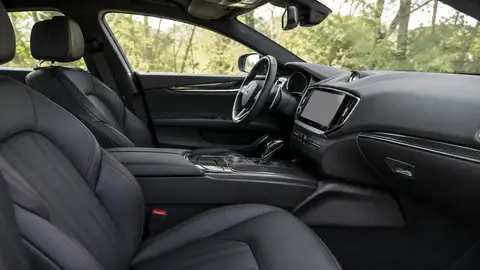
Classic cars (roughly 20-25+ years old) fail from time, not mileage: rubber seals dry out, brake fluid absorbs moisture, and fuel gums up whether the car is driven or not. Change oil at least once a year even with low mileage, flush brake fluid every 1-2 years, and use a fuel stabilizer before any layup longer than 30 days. Tires should be replaced at 6-10 years old regardless of remaining tread, since the rubber hardens and cracks over time.
At a glance
| Item | Interval / rule |
|---|---|
| Engine oil & filter | Every 3,000 miles or 12 months, whichever comes first |
| Brake fluid | Flush every 1-2 years (hygroscopic — absorbs moisture) |
| Coolant | Every 2-5 years depending on coolant type |
| Fuel stabilizer | Add before any storage period over 30 days |
| Tires | Replace at 6-10 years old regardless of tread depth |
| Battery | Use a trickle charger/tender during storage over 2 weeks |
Why classic cars age differently than daily drivers
A modern commuter car wears out mostly by miles driven. A classic that sits in a garage most of the year wears out by time elapsed. Rubber hoses, gaskets, and seals dry out and crack whether or not the engine ever turns over. Brake fluid pulls moisture from the air through microscopic pores in rubber lines, lowering its boiling point and inviting internal corrosion. That's why service intervals for classics are usually stated in months or years, with a mileage cap as the secondary trigger, not the other way around.
Fluids: what to check and how often
- Engine oil: change annually even if the car covered under 1,000 miles that year; old oil accumulates condensation and acids that sit in the pan.
- Brake fluid: test with disposable moisture-test strips or flush on a 1-2 year clock; contaminated fluid causes a spongy pedal and internal caliper corrosion.
- Coolant: conventional green coolant every 2 years, longer-life OAT/HOAT formulas every 5; check hoses for hardness and cracking at every fluid service.
- Gear oil (manual transmission/differential): inspect annually for water contamination if the car sees damp storage.
A note on oil chemistry for older engines
Many pre-1990s engines with flat-tappet camshafts were designed around older oil formulations that contained higher levels of zinc/phosphorus (ZDDP) anti-wear additive. Modern API SN/SP-rated oils reduced ZDDP to protect catalytic converters, which can accelerate cam and lifter wear on older engines. Look for oils specifically labeled for classic or flat-tappet applications, or add a ZDDP supplement per the product's instructions.
Storage and seasonal layup
- Fill the fuel tank nearly full and add a fuel stabilizer to reduce condensation and slow gum formation.
- Change the oil before storage — used oil holds acidic combustion byproducts that shouldn't sit in the engine for months.
- Connect a battery tender/trickle charger rather than leaving the battery to self-discharge.
- Inflate tires 5-10 psi above the door-jamb spec to reduce flat-spotting, or use jack stands for storage over 3 months.
- Plug the exhaust tip and air intake loosely with a cloth to discourage rodents, and leave a light on or use rodent-deterrent packets.
- Start and idle the engine to full operating temperature every 2-3 weeks if possible, or arrange a short drive monthly.
Fuel system care for older and carbureted engines
Ethanol-blended gasoline (typically E10 in the US, higher blends elsewhere) can degrade older rubber fuel lines, gaskets, and fiber floats in carburetors that weren't designed for it, and it absorbs water more readily than pure gasoline. Where available, ethanol-free fuel is kinder to pre-1980s fuel systems. If ethanol-free isn't practical, a stabilizer formulated for ethanol fuels and more frequent fuel-line inspections reduce the risk of leaks or a gummed-up carburetor.
Common mistakes classic owners make
- Letting the car sit for months without starting it or maintaining the battery.
- Assuming low mileage means fluids don't need changing.
- Ignoring tire age because the tread still looks fine — cracked sidewalls can fail at speed.
- Using whatever gasoline is cheapest without checking ethanol content on a carbureted, all-rubber-line fuel system.
- Skipping a pre-drive walk-around (fluid leaks, loose clamps, brake pedal feel) after long storage.
Tools worth having in the garage
A basic classic-car kit covers most needs: a torque wrench, a quality battery tender, brake-fluid test strips, a compression tester, dielectric grease for old connectors, and a factory or aftermarket shop manual specific to the model. Many classic owners also keep spare belts, a points-and-condenser set (for pre-electronic-ignition engines), and a can of fogging oil for cylinder protection during long layups.
Frequently asked questions
How often should I start a classic car that's in storage?
Is ethanol gasoline bad for classic cars?
Do classic engines need special oil?
How do I know if my classic's tires need replacing even if the tread looks fine?
Do I need a fuel stabilizer every time I fill up?
Sources & further reading
- NHTSA — Tire aging and safety guidance
- Hagerty — Classic car storage and maintenance resources
- SAE International — Motor oil standards and ZDDP background
Figures, prices and policy details were current at the last-updated date above. Automotive pricing, incentives and regulations change frequently — verify time-sensitive details with the linked primary sources. Read our editorial policy and fact-checking standards.