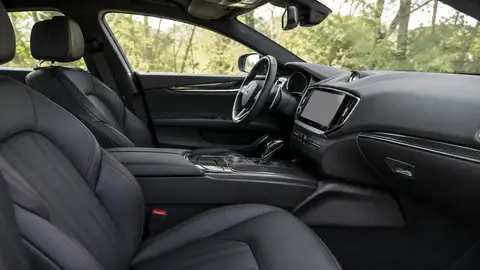
Family cars rack up frequent short trips, which is harder on brakes, batteries, and tires than steady highway miles — check tire tread monthly (replace at 4/32" or less) and test brakes for any pulsing or grinding at every fill-up. Car seat anchor points (LATCH/ISOFIX) should be inspected annually for wear, and cabin air filters — often overlooked — should be changed every 12,000-15,000 miles to keep allergens and odors out of the cabin. A pre-road-trip check (fluids, tires, wipers, spare) is worth doing before any trip longer than a couple hours.
At a glance
| Item | Frequency |
|---|---|
| Tire tread and pressure check | Monthly; replace at 4/32" tread depth or less |
| Brake inspection | At every oil change, or sooner if pulsing/grinding is noticed |
| Cabin air filter | Every 12,000-15,000 miles |
| Car seat anchor (LATCH/ISOFIX) inspection | Annually, and after any collision |
| Battery test | Annually after year 3, since short trips shorten battery life |
Why family driving patterns wear cars differently
A car doing mostly short school-run and errand trips accumulates a lot of cold starts and stop-and-go braking relative to its total mileage, which is harder on the battery, brakes, and engine than the same mileage covered on a highway commute. Family vehicles are also more likely to be full — passengers plus cargo — which adds load that affects tire wear and braking distance. None of this means more frequent full services, but a few specific items deserve closer attention than a typical maintenance sticker suggests.
Tires: the item most worth checking often
Tread depth should be checked monthly with a simple penny or tread-depth gauge; most jurisdictions set the legal minimum around 2/32", but replacing closer to 4/32" gives meaningfully better wet-weather stopping distance, which matters when carrying children. Check pressure monthly too — underinflated tires wear unevenly and hurt fuel economy, and pressure should be checked cold, not right after driving.
Brakes: don't wait for a warning sound
- Listen for a light squeal, which is often a built-in wear indicator meant to be heard before pads are dangerously thin.
- A grinding noise means pads are likely already metal-on-metal — treat this as urgent, not routine.
- Pulsing through the brake pedal usually indicates warped rotors and should be inspected soon, not ignored.
- Have brakes visually inspected at every oil change even without symptoms, since pad wear isn't always audible early on.
Car seat anchors and interior safety points
LATCH (US) or ISOFIX (UK/EU/elsewhere) anchor points should be inspected annually for wear or damage, and definitely re-checked after any collision, even a minor one, since the anchor hardware can be stressed invisibly. Seat belts throughout the car should be checked for fraying or a sluggish retractor, especially in rear seats used daily for child seats or boosters.
Cabin air filter: easy to forget, worth doing
The cabin air filter cleans the air blown through the vents and is separate from the engine air filter — many owners don't realize their car has one. Replacing it every 12,000-15,000 miles (sooner in dusty or high-pollen areas) keeps allergens and odors down, which matters more in a car that carries kids with allergies or asthma than it might for a solo commuter.
Pre-road-trip checklist for family drives
- Check tire pressure and tread, including the spare.
- Top off washer fluid and test wiper blades for streaking.
- Check oil level and any recent warning lights.
- Test all exterior lights (brake lights, turn signals, headlights).
- Confirm car seats are still properly anchored and at the correct recline angle.
- Pack a basic emergency kit: jumper cables/battery pack, flashlight, first aid kit, and phone charger.
Frequently asked questions
How often should I check my tires on a family car?
How often should car seat anchors be checked?
What's the cabin air filter and does my car have one?
Is a grinding brake noise an emergency?
What should I check before a long family road trip?
Sources & further reading
- NHTSA — car seat and LATCH system safety guidance
- NHTSA — tire safety and tread depth guidance
- Car Care Council — vehicle maintenance guidelines
Figures, prices and policy details were current at the last-updated date above. Automotive pricing, incentives and regulations change frequently — verify time-sensitive details with the linked primary sources. Read our editorial policy and fact-checking standards.