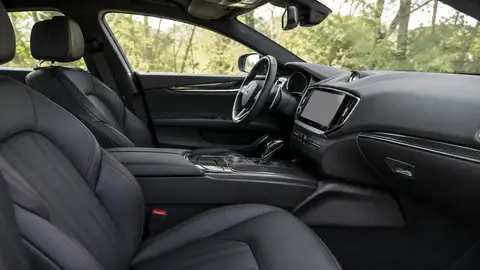
Before rainy season hits, check four things: tire tread depth (needs at least 3-4mm to channel water and resist hydroplaning), wiper blades (replace every 6-12 months or the moment they streak), brake performance (wet braking distances run 20-30% longer than dry), and door/sunroof drainage channels (clogged drains cause interior leaks and mold). In monsoon-prone regions like coastal India and Southeast Asia, also check underbody rust points and electrical connector seals before the season starts, not after the first flood.
At a glance
| Item | What to check | Why it matters |
|---|---|---|
| Tires | Tread depth ≥3-4mm, correct pressure | Prevents hydroplaning on wet roads |
| Wipers | No streaking, full contact with glass | Restores visibility in downpours |
| Brakes | Pad thickness, no grinding | Wet stopping distances are longer |
| Drains | Sunroof and door drain channels clear | Stops water pooling inside the cabin |
| Lights | All bulbs working, lenses not fogged | Legal requirement and visibility in low light |
| Underbody | No active rust, seals intact | Standing water accelerates corrosion |
Tires: the single biggest factor in wet-weather safety
Tread depth is what channels water away from the contact patch. Most countries set a legal minimum around 1.6mm, but that's a bare-minimum threshold for keeping your license, not for safety — independent testing consistently shows wet braking and hydroplaning resistance drop sharply below 3mm. Use the coin test or a tread gauge on all four tires, including the spare, and check pressure monthly since a 20% underinflated tire hydroplanes at a noticeably lower speed than a properly inflated one.
If your tires are down to 2-3mm and rainy season is weeks away, that's the moment to replace them — not after you've already had a scare on a flooded road.
Wipers, washer fluid and visibility
Wiper rubber degrades from UV exposure even when it isn't raining, so blades that were fine in the dry season often streak or judder the first time you need them in a real storm. Replace blades every 6-12 months as routine maintenance, sooner if they leave streaks, skip, or make noise. Top off washer fluid with a proper cleaning solution rather than plain water — plain water doesn't cut road film and can freeze in cooler climates.
Don't ignore the rear wiper and defogger
On hatchbacks and SUVs, the rear wiper and rear defogger matter as much as the front in heavy rain, since spray off the rear tires of other vehicles fogs and coats the back glass constantly on the highway.
Brakes and stopping distance
Wet roads increase stopping distances by roughly 20-30% compared to dry pavement, and that gap widens further if pads are thin or rotors are pitted. Have a technician check pad thickness and rotor condition before the season starts — this is also the point to flush brake fluid if it's overdue, since fluid over 2-3 years old absorbs moisture and can reduce brake feel in wet, humid conditions.
Drainage, seals and interior moisture
Sunroof drain channels, door drain holes, and the cowl area beneath the windshield wipers all clog with leaves and debris over time. When they clog, water that's designed to run harmlessly out of the body instead pools inside door panels or drips onto the headliner and carpet. Flush the sunroof drains with compressed air or a soft wire, and check door drain holes are open before the rain starts — a clogged drain found in October is a moldy headliner found in December.
Regional notes: monsoon vs. storm-season prep
In India and much of monsoon Asia, the season is intense and sustained — weeks of near-continuous heavy rain that create standing water on roads and driveways. That makes underbody rustproofing, sealing of electrical connectors, and checking the air intake location (to avoid hydrolock if you drive through deep water) more important than in a typical US or UK rainy spell. In the US and UK, rainy-season prep is less about volume and more about the sudden transition from dry summer roads, where oil and rubber residue makes the first heavy rain of the season unusually slick for the first hour or two.
Water above the bottom of the doors can enter the air intake and cause hydrolock, which bends connecting rods and typically isn't covered by standard insurance. If in doubt, turn around.
Frequently asked questions
How much tire tread do I need for safe wet-weather driving?
How often should I replace wiper blades?
Why does my car interior smell musty after rain?
Is it safe to drive through flooded roads?
Do I need special tires for rainy season?
Sources & further reading
- NHTSA – Tire Safety
- UK Government – Tyre tread depth legal requirements
- India Meteorological Department – Monsoon Reports
Figures, prices and policy details were current at the last-updated date above. Automotive pricing, incentives and regulations change frequently — verify time-sensitive details with the linked primary sources. Read our editorial policy and fact-checking standards.