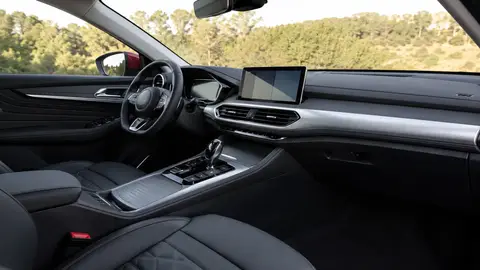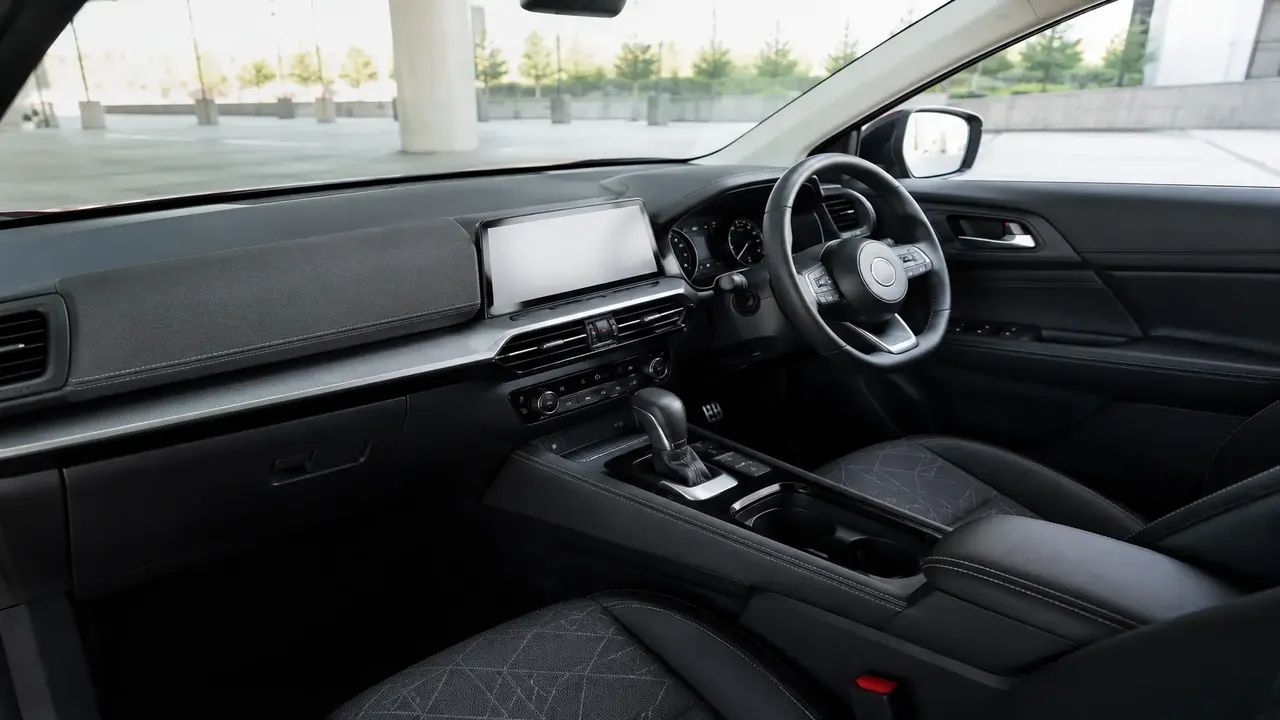
UV exposure is the main cause of dashboard cracking, seat fading, and steering wheel/trim discoloration over a car's life. A windshield sunshade used every time the car is parked in direct sun, UV-protectant on vinyl and leather every 1-3 months, and parking in shade or a garage when possible are the three cheapest, most effective defenses. Window tinting also blocks the majority of UV rays, but legal tint darkness (VLT%) varies significantly by US state, UK regulation, and Indian rules — always check local limits before tinting.
At a glance
| Protection method | What it does | Cost/effort |
|---|---|---|
| Windshield sunshade | Blocks direct UV/heat through windshield | Low cost, use every parking session |
| UV protectant (interior) | Slows cracking/fading on vinyl, leather, plastic | Reapply every 1-3 months |
| Window tint | Blocks most UV through side/rear glass | One-time cost, check legal VLT% first |
| Shaded/garage parking | Reduces cumulative UV and heat exposure | Free where available |
| Leather conditioner | Prevents leather drying/cracking from heat+UV | Every 3-6 months |
Why UV damage happens faster than you'd expect
Sunlight through glass carries UVA rays that pass through most automotive glass largely unfiltered (windshields typically block more UV than side and rear windows do). Combined with the greenhouse effect that pushes interior temperatures well above outside air temperature, dashboards, door panels, and seats take a steady daily dose of UV and heat that adds up over years into cracking, fading, and brittleness — even in climates that aren't classically "hot," since UV intensity matters more than air temperature.
The cheapest, most effective fix: a sunshade
A basic reflective windshield sunshade is the single best cost-to-benefit interior protection available. It blocks the majority of direct UV and dramatically reduces interior heat buildup, protecting the dashboard — the single most exposed and expensive-to-replace interior part — every time it's used. The catch is consistency: a shade only works when it's actually deployed, so it needs to become a habit for every sunny parking session, not just long-term parking.
UV protectants and conditioners
Vinyl and plastic dashboard protectants slow UV-driven drying and cracking, but choose a matte, non-greasy formula — glossy "shiny" protectants can actually cause windshield glare and, over time, some silicone-heavy products can attract more dust. Reapply every 1-3 months for real protection, more often in intense sun climates. Leather seats need a separate leather conditioner every 3-6 months, since leather dries out and cracks under sustained heat and UV exposure just like skin does without moisturizer.
Window tinting: protection with legal limits
Quality window tint film blocks a large majority of UV rays and meaningfully reduces interior heat and fading — it's one of the most effective long-term interior protection upgrades. But legal tint darkness (measured as VLT%, or visible light transmission — the percentage of light allowed through) varies widely and is enforced differently by region:
| Region | Typical tint rule |
|---|---|
| US | Varies by state — front windows often 25-70% VLT minimum; check your specific state's DMV rules |
| UK | Front windscreen 75% VLT minimum, front side windows 70% VLT minimum; rear windows unrestricted |
| India | Supreme Court ruling requires 70% VLT front/rear, 50% side windows (post-2012 ruling), though enforcement and interpretation vary by state |
Always confirm current local limits before tinting — rules change and enforcement varies, and non-compliant tint can result in fines or a mandatory removal order.
Parking habits that add up
- Park in shade or a garage whenever it's realistically available.
- Angle the car so the sun hits the rear rather than baking the dashboard through the windshield, if shade isn't an option.
- Use a sunshade every time you park in direct sun, not just for long trips.
- Crack windows slightly (where safe and legal) to reduce peak interior temperature and pressure on trim adhesives.
- Keep a small towel or seat cover on leather/vinyl seats in extreme sun climates to reduce direct contact heat.
Sustained cabin heat degrades touchscreen adhesives, dashboard cameras, and even some battery-backed modules faster than manufacturers design for. Sun protection isn't just cosmetic — it protects electronics lifespan too.
Frequently asked questions
Does a windshield sunshade really make a difference?
How often should I apply UV protectant to my dashboard?
Is window tinting worth it for UV protection?
Can sun damage really crack a dashboard?
What's the legal window tint limit in the UK?
Sources & further reading
Figures, prices and policy details were current at the last-updated date above. Automotive pricing, incentives and regulations change frequently — verify time-sensitive details with the linked primary sources. Read our editorial policy and fact-checking standards.