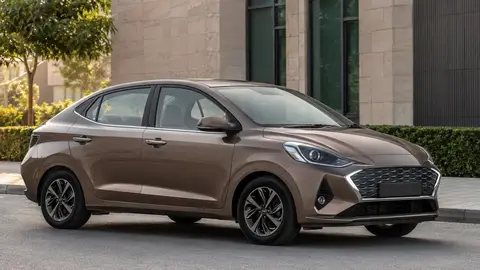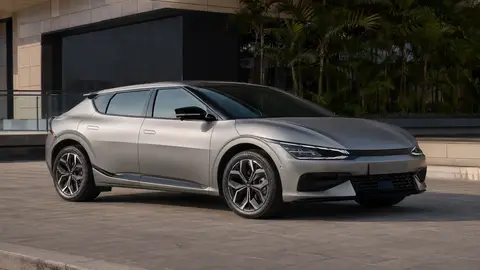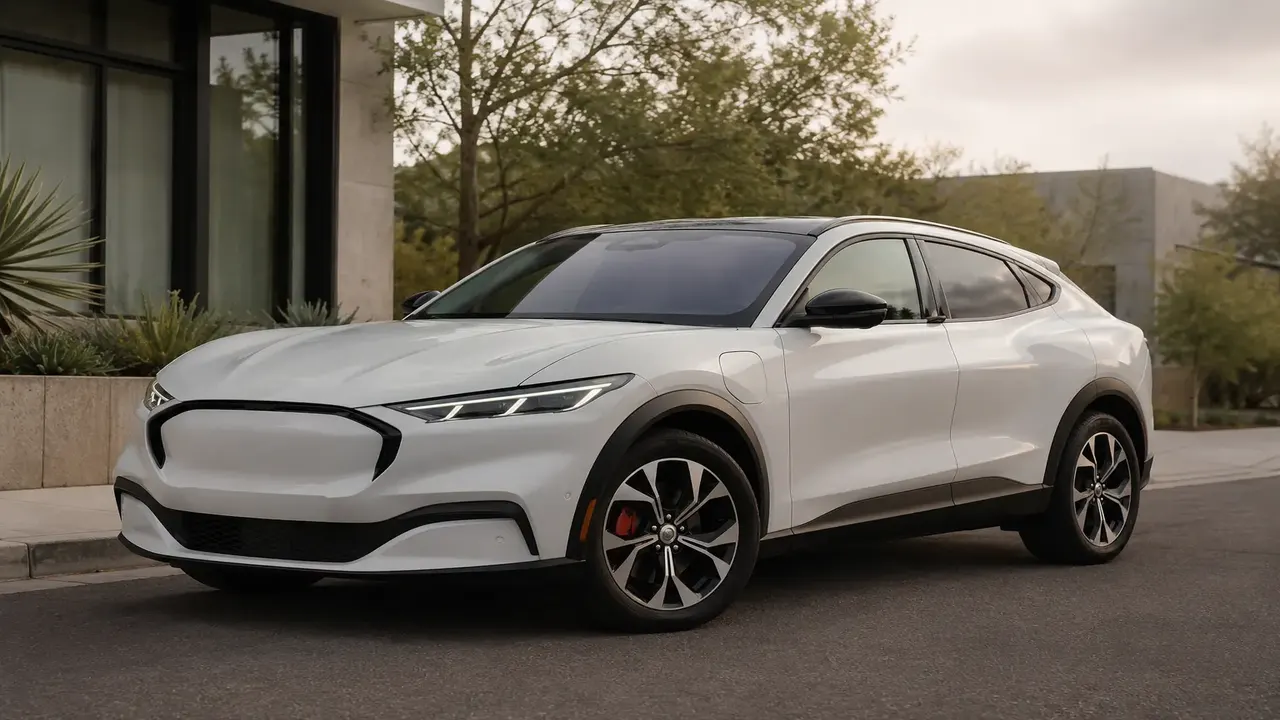
Battery pack prices have fallen to roughly $80-$90 per kWh on average in 2025-2026, down from over $115/kWh just two years earlier, and that drop is the single biggest reason cheaper EVs are reaching showrooms. A wave of sub-$35,000 (US) and sub-£25,000 (UK) EVs — mostly compact hatchbacks and small crossovers — has followed, led by Chinese and Korean brands and matched defensively by legacy automakers. Global EVs are on track to exceed one in four new car sales in 2026, per BloombergNEF, but affordability still varies sharply by region: China's cost base is well ahead of the US and Europe.
At a glance
| Metric | 2026 snapshot |
|---|---|
| Average battery pack price | ~$80-$90/kWh (down from $115+/kWh in 2023-24) |
| Global EV sales share | Over 25% of new car sales (BloombergNEF/IEA forecasts) |
| Cheapest new EV segment | Compact hatchbacks/city crossovers, mostly China-built or China-designed |
| Biggest regional gap | China's EV cost base is well below the US and Western Europe |
| Main US headwind | Federal EV tax credit ended September 30, 2025, raising effective prices |
What's actually driving the price drop
Batteries are typically 30-40% of an EV's total build cost, so even modest per-kWh savings move the sticker price. Three forces are compounding: cheaper lithium-iron-phosphate (LFP) chemistry replacing pricier nickel-based cells in entry models, massive Chinese cell-manufacturing scale (CATL, BYD, and peers), and simplified vehicle platforms designed from the start for smaller, cheaper battery packs rather than adapted from gas-car architecture.
Analysts including Goldman Sachs and BloombergNEF expect the average pack price to keep falling toward the $60/kWh range by the end of the decade, which is the rough threshold many industry watchers cite for EVs reaching sticker-price parity with equivalent gas cars before incentives.
Who's launching the affordable models
Chinese brands (BYD, MG/SAIC, and others expanding into Europe, Latin America, and Southeast Asia) currently set the low end of the market, often undercutting legacy competitors by 20-30% on comparable specs. Korean and Japanese makers have answered with smaller EV crossovers aimed at the same price band, and US and European legacy brands are following with stripped-down trims of existing EVs rather than all-new cheap platforms — a slower, more cautious response. The 3 Series is the clearest like-for-like test of that yet: the electric i3 is cheaper than one gas trim and dearer than two others, which is roughly where price parity actually stands.
- Smaller battery packs (shorter range, usually 150-220 miles/240-350 km) instead of premium 300+ mile packs
- LFP chemistry over nickel-cobalt-manganese cells, trading some cold-weather range for lower cost and longer cycle life
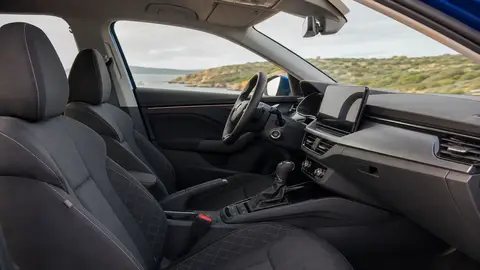
- Simplified trims — fewer standard driver-assist and infotainment features
- Shared platforms across multiple body styles to spread engineering costs
Where affordability still breaks down
Sticker price is only part of the picture. In the US, the loss of the federal tax credit on September 30, 2025 pushed effective prices up by thousands of dollars for many buyers overnight, which is one reason US EV growth has cooled even as global growth accelerates. In markets without strong home-charging access, added public charging costs and time can offset any purchase-price savings. And resale value for budget EVs remains less proven than for established gas models, which affects total cost of ownership, not just the initial price tag.
Who this trend suits — and who it doesn't
Buyers who mostly drive short-to-medium daily distances, can charge at home or work, and don't need long-range road-trip capability are the best fit for the new affordable EV wave. Buyers who need maximum range, live somewhere with unreliable public charging, or plan to keep a car a decade-plus (where resale uncertainty matters more) may still be better served waiting or choosing a hybrid.
What to watch through the rest of 2026
- Whether more Chinese-brand EVs clear tariff and safety hurdles to enter the US and EU markets at their home-market prices
- Whether legacy automakers commit to genuinely new low-cost EV platforms rather than trimmed existing models
- How battery chemistry mix (LFP vs. nickel-based) shifts as cost pressure grows
- Whether any new regional incentives replace lost US federal credits at the state level
Frequently asked questions
Why are EVs getting cheaper in 2026?
Are affordable EVs as good as premium ones?
Will EVs reach price parity with gas cars?
Did losing the US tax credit make EVs less affordable?
Which body style is leading the affordable EV trend?
Sources & further reading
- IEA — Global EV Outlook 2026
- BloombergNEF — Electric Vehicle Outlook 2026 / Battery price records
- McKinsey — The future of affordable EVs
Figures, prices and policy details were current at the last-updated date above. Automotive pricing, incentives and regulations change frequently — verify time-sensitive details with the linked primary sources. Read our editorial policy and fact-checking standards.