The bottom is falling out of the used-car market
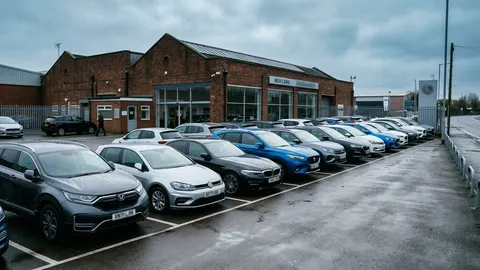
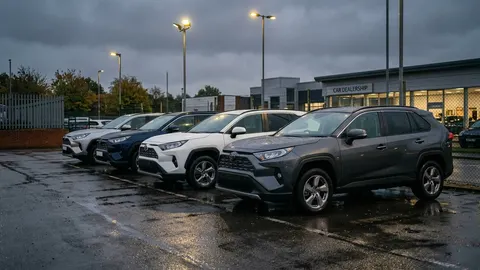
In the first quarter of 2018, 60.5% of used vehicles in America sold for less than $20,000, according to Edmunds data reported by CNBC. By the first quarter of 2026, that share had collapsed to 30.6%. Cheap used cars under $20,000 — the default entry point for students, first-time buyers and anyone allergic to a heavy monthly payment — now account for less than a third of the market.
That is not a blip. It is a halving in eight years, and it tracks the bigger story that dominated July 2026 coverage from CNBC and Money: the death of the sub-$20,000 new car. The used market is downstream of the new one, and the pipe that feeds it has quietly been shut off.
Why cheap used cars under $20,000 are drying up
The affordable used car of any given year is simply the affordable new car of five or ten years earlier, with some miles on it. That supply chain is now broken. No new mainstream model is on sale in the US below $20,000 in 2026, and sub-$20,000 vehicles accounted for just 0.2% of new-vehicle sales in 2025, per the July 2026 reporting.
Follow that through. The 2025 model year is putting almost nothing into the future budget-used pool. Neither will 2026. Every year the new market skews expensive, the used market inherits the problem a few years later — which means the 30.6% figure is unlikely to be the floor. Shoppers hunting cheap used cars under $20,000 today are competing for a stock that is not being replenished.
The hatchbacks that fed the market are gone
CNBC's reporting names the culprits by nameplate. The Chevrolet Sonic, Ford Fiesta, Hyundai Accent and Honda Fit — the honest, high-volume budget cars that reliably matured into sensible used buys — have all been discontinued. These were never glamorous vehicles, but they did the quiet work of keeping the bottom of the market stocked: cheap to build, cheap to run, and plentiful on used lots once their first owners moved on.
With all four dead, the class of affordable three-to-five-year-old small cars simply stops arriving. There is no like-for-like replacement in showrooms, so there will be no like-for-like replacement on the used lot either.
Tariffs and profit math finished the job
Two forces accelerated the retreat. First, the 25% US tariff on imported cars and parts squeezed the already thin margins on entry-level models — CNBC reported in July 2026 that this pushed automakers to abandon them faster. Small cars were marginal business at the best of times; the tariff made several of them pointless business.
Second, manufacturers have deliberately shifted production toward larger vehicles and higher trims because they are more profitable. That is a rational call for shareholders and a brutal one for budget buyers, because the future supply of cheap used cars is being decided on factory floors right now — and the decision is: fewer.
The honest assessment
The sub-$20,000 used car is not extinct. At 30.6% of the market, it still represents a vast number of vehicles. But the character of that inventory is changing: expect older cars, higher mileage, fewer body-style choices, and clean examples that sell fast. If your ceiling is lower still, our guide to the best used cars under $10,000 shows how far the same pressures reach down-market. And for households weighing whether to stretch instead, the new vs used car question deserves a fresh look — the old assumptions about depreciation bargains are weakening. As of mid-2026, patience, flexibility on brand, and a proper pre-purchase inspection matter more than they have in years.
The questions buyers actually ask
Are cheap used cars under $20,000 disappearing completely? No. They were still 30.6% of US used sales in Q1 2026, per Edmunds. But that share has halved since 2018, so choice is thinner and desirable examples move quickly.
Will affordable used inventory recover? It looks unlikely in the near term. With sub-$20,000 vehicles at just 0.2% of 2025 new sales and production shifted toward larger, pricier models, the pool of future cheap used cars is expected to keep shrinking.
Which discontinued models should bargain hunters watch? The nameplates that once fed this market — Honda Fit, Hyundai Accent, Ford Fiesta, Chevrolet Sonic — are gone from showrooms, but used examples remain exactly the cheap-to-run, sensible buys they always were.
Key takeaways
- Just 30.6% of US used vehicles sold for under $20,000 in Q1 2026, down from 60.5% in Q1 2018 (Edmunds).
- No mainstream new model is on sale below $20,000 in 2026; sub-$20k cars were 0.2% of 2025 new sales.
- The budget nameplates that fed the cheap used market — Sonic, Fiesta, Accent, Fit — are all discontinued.
- The 25% tariff on imported cars and parts accelerated the abandonment of entry-level models.
- Production has shifted to larger vehicles and higher trims, so cheap used supply is expected to keep shrinking.
Sources & further reading
- Edmunds used-market data and industry reporting via CNBC and Money, July 2026
Figures, prices and policy details were current at the last-updated date above. Automotive pricing, incentives and regulations change frequently — verify time-sensitive details with the linked primary sources. Read our editorial policy and fact-checking standards.