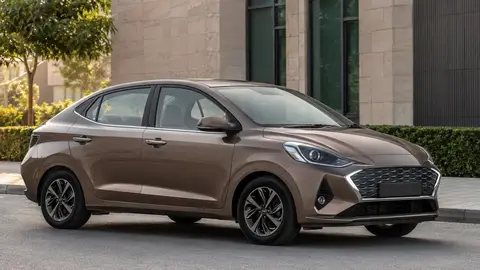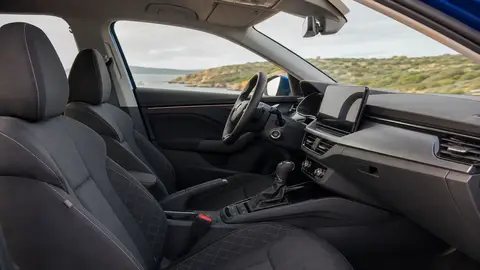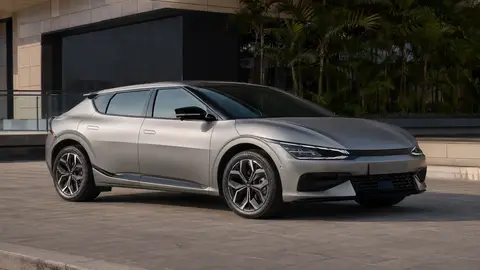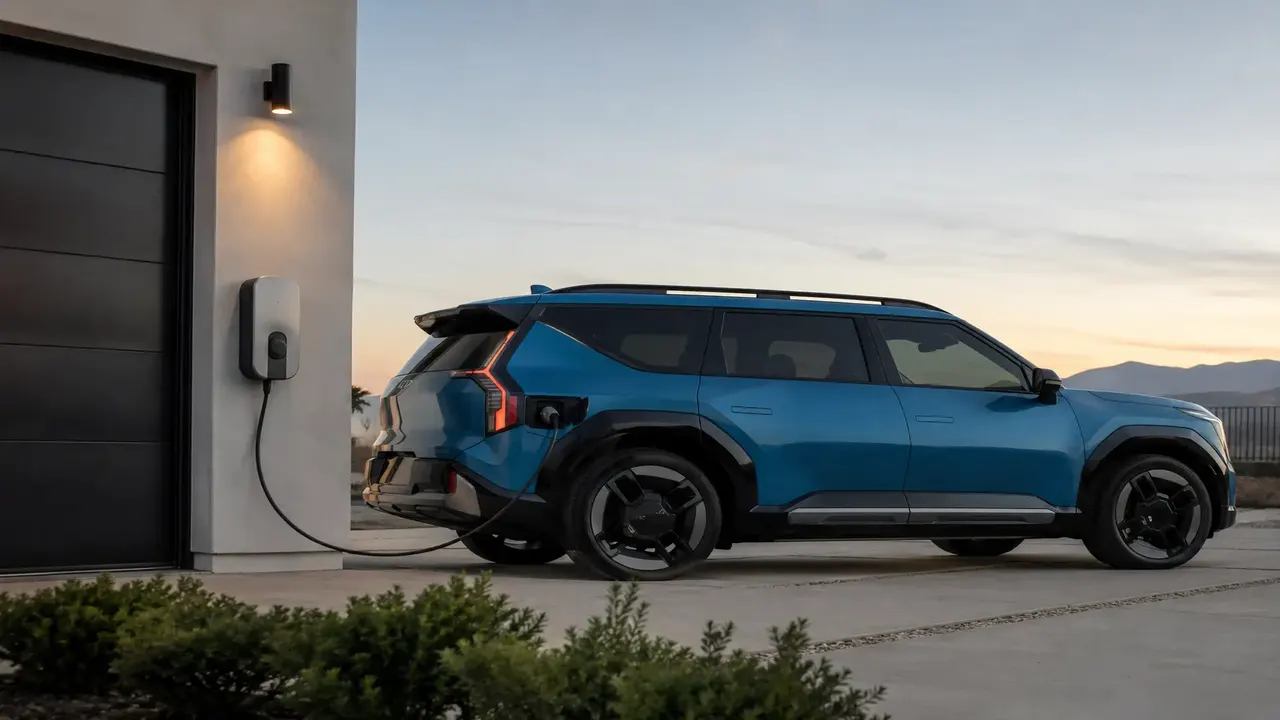
Plug-in hybrid (PHEV) sales have grown faster than the overall EV market in several regions through 2025-2026, helped by newer models offering 30-50 miles of electric-only range — enough for most daily commutes — plus a gasoline engine for longer trips without range anxiety or a wait at a charger. In the US, PHEVs also sidestep some of the sting of the federal EV credit's expiration, since buyers weighing 'EV or not' increasingly see a PHEV as a lower-commitment middle option.
At a glance
| Factor | Why it favors PHEVs in 2026 |
|---|---|
| Newer electric-only range | 30-50 miles covers most daily driving |
| No charging-network dependence for long trips | Gasoline engine removes road-trip range anxiety |
| Lower upfront cost than many BEVs | Smaller battery pack reduces vehicle price |
| US federal EV credit ended | PHEVs seen as lower-risk middle option |
From afterthought to growth story
A few years ago, plug-in hybrids were widely seen as a transitional technology automakers would phase out once battery-electric range and charging infrastructure matured. Instead, PHEV sales have picked back up in multiple markets through 2025 and into 2026, particularly in the US and parts of Asia. The turnaround tracks two things: meaningfully longer electric-only range on newer PHEV platforms, and continued uncertainty around public charging convenience for buyers not ready to go fully electric.
Why buyers are choosing PHEVs again
- Enough electric range for daily use: many 2025-2026 PHEVs offer 30-50 miles of electric-only range, covering the average daily commute without touching the gas engine.
- No road-trip anxiety: a full tank plus a charged battery means no dependency on fast-charger availability for longer drives.
- Lower price than a comparable BEV: smaller battery packs keep PHEV pricing closer to conventional hybrids than to full EVs.
- A hedge against incentive uncertainty: with the US federal EV credit gone, some buyers see a PHEV as a way to get electric-driving benefits without betting fully on an EV-only lifestyle.
The tradeoffs that haven't gone away
PHEVs carry two drivetrains, which means more components to maintain long-term than a pure EV, and their fuel-economy benefit shrinks fast if the battery isn't charged regularly — a PHEV driven mostly on its gas engine gets worse real-world efficiency than a comparable full hybrid. They also don't qualify for every EV-specific perk (some HOV lane programs and incentive schemes reserve the best benefits for battery-electric vehicles only).
Who a PHEV suits — and who it doesn't
| Good fit | Better off with something else |
|---|---|
| Drivers with a short daily commute plus occasional long trips | Drivers who can charge overnight and rarely leave town — a BEV likely suits better |
| Buyers without reliable home or workplace charging for a full EV | Buyers who won't plug in regularly — a PHEV driven ungapped loses most of its benefit |
| Buyers wanting a lower-commitment step from gas to electric | Buyers chasing every EV-specific incentive or HOV perk |
A plug-in hybrid only delivers its efficiency and cost benefits if you actually plug it in regularly. A PHEV run mostly on gasoline, hauling a heavy unused battery, can be less efficient than a standard hybrid.
Frequently asked questions
Are plug-in hybrid sales growing in 2026?
How much electric-only range do 2026 PHEVs have?
Is a plug-in hybrid better than a full EV?
Do plug-in hybrids still qualify for EV incentives?
What's the downside of owning a plug-in hybrid?
Sources & further reading
- International Energy Agency — Global EV Outlook 2026
- US Department of Energy — Alternative Fuels Data Center, PHEVs
Figures, prices and policy details were current at the last-updated date above. Automotive pricing, incentives and regulations change frequently — verify time-sensitive details with the linked primary sources. Read our editorial policy and fact-checking standards.