Of the wave of EV startups that went public or raised major funding rounds between 2020-2022, a large share — well over half by most industry counts — have since ceased vehicle production, filed for bankruptcy, or pivoted away from consumer vehicles entirely. Survivors that reached meaningful production volume generally share two traits: a narrow initial vehicle lineup and a strategic partnership or investment from an established automaker or major supplier. New entrants continue to launch, particularly from China, but the failure rate for independently-funded EV startups without a large-automaker backstop remains high.
At a glance
| Metric | Figure |
|---|---|
| EV startups that raised major funding/went public, 2020-2022 | Dozens |
| Share that have since failed or ceased vehicle production | Well over half |
| Common trait among survivors | Established automaker or supplier backing |
| Common cause of failure | Running out of capital before reaching production scale |
| Region with most new EV startup activity now | China |
Why so many EV startups failed
Building and scaling automotive manufacturing is capital-intensive in a way that's fundamentally different from software startups — a company can burn through hundreds of millions or billions of dollars before shipping a single profitable vehicle, because factory tooling, supply chain qualification and regulatory certification all require enormous upfront investment regardless of sales volume. Several high-profile startups reached low-volume production but ran out of capital before achieving the scale needed to bring per-vehicle costs down to sustainable levels.
Others struggled with quality and reliability issues in early production vehicles, which damaged brand reputation and made it harder to raise the next funding round needed to reach profitability.
What separated survivors from failures
- A strategic partnership or direct investment from an established automaker, giving access to manufacturing expertise, supply chain relationships and capital.
- A narrow, focused initial vehicle lineup rather than trying to launch multiple models simultaneously.
- Realistic production ramp targets rather than overpromising volume to early investors.
- A defensible niche (commercial vehicles, a specific price segment, a specific region) rather than competing head-on with every major automaker at once.
The commercial vehicle exception
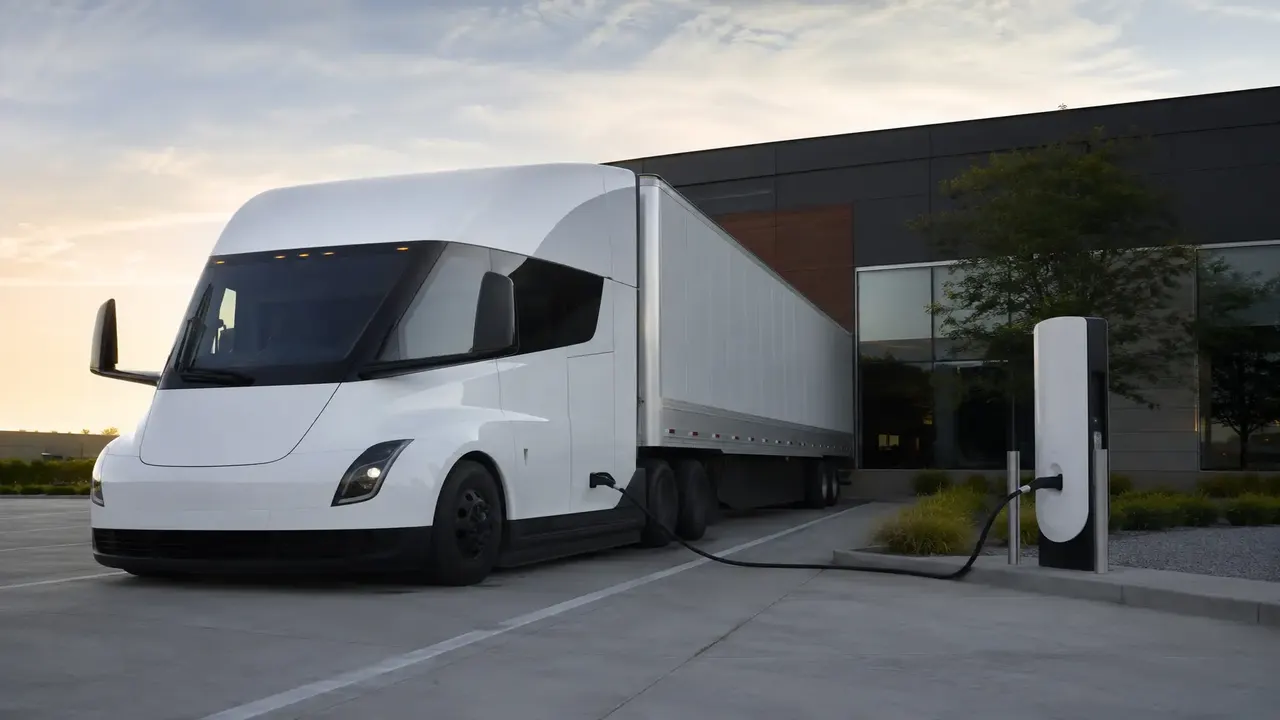
Startups focused on commercial and fleet electric vehicles — delivery vans, work trucks — have generally fared better than passenger-vehicle startups, because fleet buyers evaluate total cost of ownership more rationally than consumer buyers, and fleet contracts provide more predictable revenue to fund scaling.
What buyers should know before considering a startup EV
- Check the company's financial health and production volume trends, not just its marketing claims.
- Confirm service network coverage in your area — a startup with no established dealer/service network can leave owners stranded for repairs.
- Understand resale value risk — vehicles from failed or struggling startups can lose parts and software support, hurting long-term value sharply.
- Look for evidence of an established automaker partnership, which correlates with longer-term viability.
If an EV startup ceases operations, owners can lose access to software updates, spare parts and warranty service — factor this risk explicitly into any purchase decision on a newer, independently-funded brand.
Where the startup landscape goes next
Expect continued consolidation among Western EV startups, with the strongest survivors increasingly folded into or backed by established automakers, while new entrants — especially from China — continue launching with different funding and scale dynamics than the 2020-2022 wave.
Frequently asked questions
Which EV startups have failed?
Is it risky to buy a car from an EV startup?
What makes an EV startup more likely to survive?
Are commercial EV startups doing better than consumer EV startups?
Sources & further reading
- S&P Global Mobility — EV Startup Industry Analysis
- U.S. Securities and Exchange Commission — Public Company Filings (EDGAR)
Figures, prices and policy details were current at the last-updated date above. Automotive pricing, incentives and regulations change frequently — verify time-sensitive details with the linked primary sources. Read our editorial policy and fact-checking standards.