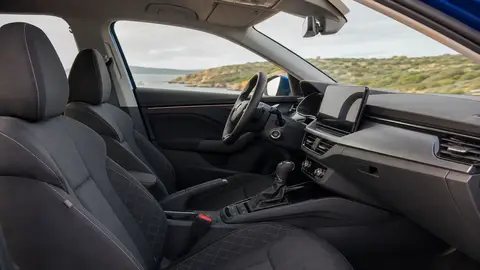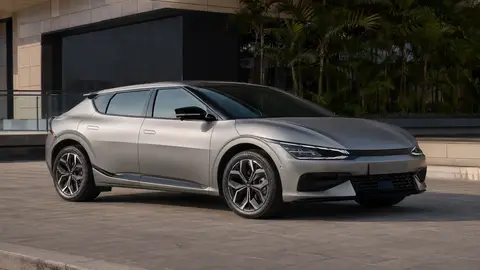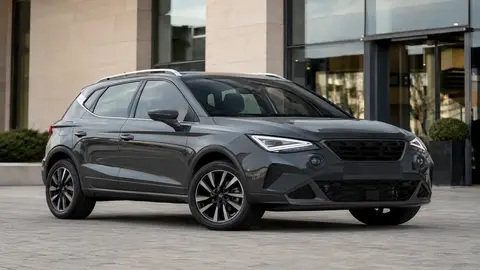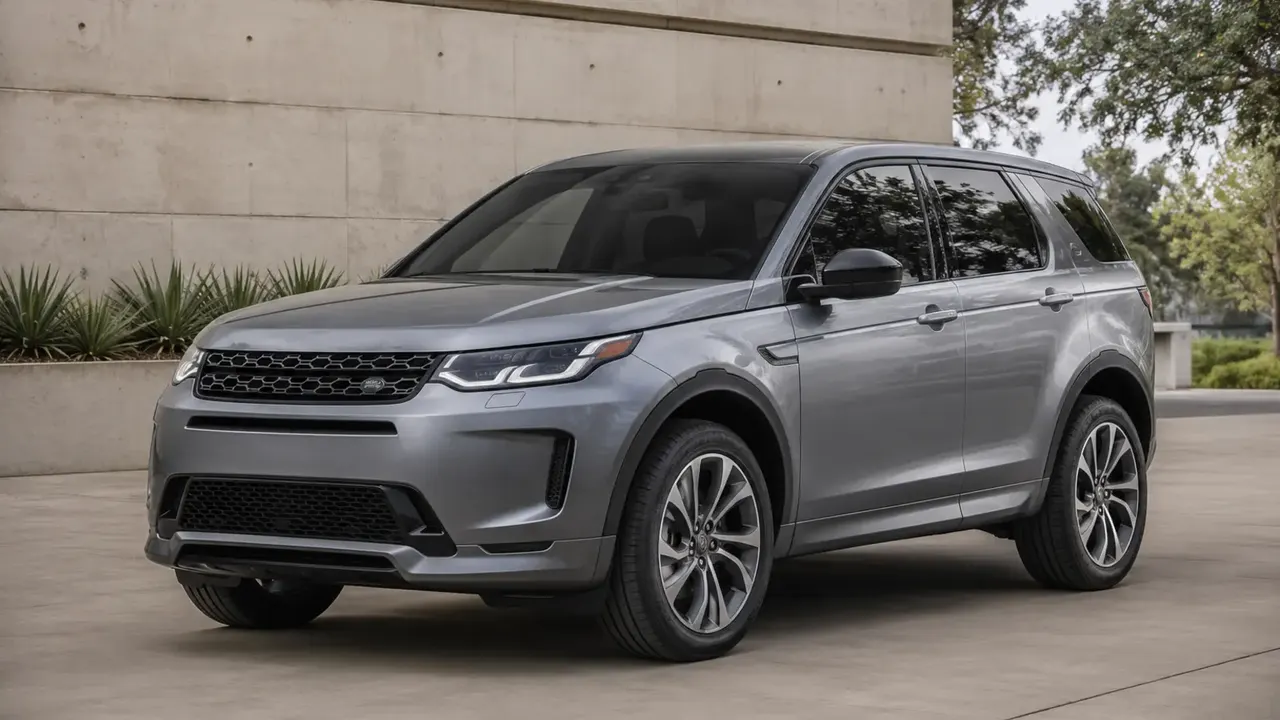
SUVs and crossovers now account for roughly 50-55% of new-vehicle sales in the US, and a similarly dominant or growing share in many global markets, up from well under 30% two decades ago. Traditional sedans have fallen to a small fraction of the market in the US, with several automakers discontinuing sedan nameplates entirely in recent years. The shift is driven by buyer preference for higher seating position, perceived safety and cargo flexibility, reinforced by automakers prioritizing SUV/crossover platforms in product planning because that's where the profit margins and demand both are.
At a glance
| Metric | Figure |
|---|---|
| SUV/crossover share of US new-vehicle sales | 50-55% |
| SUV/crossover share, two decades ago | Under 30% |
| Sedan share of US new-vehicle sales today | Small single digits to low teens |
| Automakers that discontinued sedan nameplates recently | Several major brands |
| Fastest-growing SUV sub-segment | Compact/subcompact crossovers |
How SUVs took over
The shift toward SUVs and crossovers has been building for over 20 years, but it accelerated sharply after unibody crossover platforms made SUVs drive more like cars — better fuel economy and handling than traditional body-on-frame SUVs, without giving up the higher seating position and cargo space buyers wanted. That combination effectively erased the practical reasons many buyers had chosen sedans.
Automakers responded by shifting product development resources toward SUV and crossover platforms, since that's where demand and profit margins both concentrated, which in turn reduced sedan options and further reinforced the shift — a self-reinforcing cycle that's left sedans a shrinking niche in many markets.
Why sedans didn't recover
- Higher perceived safety from a taller seating position, even though real-world safety differences depend heavily on specific vehicle design, not just body style.
- Cargo flexibility that outperforms even larger sedans for family and lifestyle use.
- Automakers reducing sedan R&D investment, leading to fewer, less-updated sedan options relative to constantly refreshed SUV lineups.
- Resale value has followed demand — stronger SUV resale values reinforce the buying decision for cost-conscious shoppers.
Where sedans still hold on
Sedans remain relevant in a few specific niches: fleet and rental use where lower operating costs matter more than cargo space, some international markets with different space or tax considerations, and performance/luxury sedans that compete on driving dynamics rather than practicality.
What this means for buyers
| If you value... | Consider |
|---|---|
| Cargo space and higher seating | Compact or midsize SUV/crossover |
| Best fuel economy for the price | Compact SUV or remaining sedan options |
| Driving dynamics/performance feel | Performance sedan or coupe (shrinking but still available) |
| Lowest purchase price | Remaining sedans often carry better relative value due to lower demand |
Because sedan demand has fallen, remaining sedan models sometimes get less frequent redesigns and fewer trim options — check how recently a specific sedan was last updated before assuming it's kept pace with newer SUV competitors.
Where the trend goes from here
Expect SUV and crossover dominance to continue, with the most significant remaining shift being within the category — from larger, less efficient SUVs toward compact and subcompact crossovers, and gradually toward electrified versions of the same shapes rather than a body-style reversal back toward sedans.
Frequently asked questions
Why are SUVs so much more popular than sedans now?
Are sedans being discontinued?
Are SUVs actually safer than sedans?
Will sedans make a comeback?
Sources & further reading
Figures, prices and policy details were current at the last-updated date above. Automotive pricing, incentives and regulations change frequently — verify time-sensitive details with the linked primary sources. Read our editorial policy and fact-checking standards.