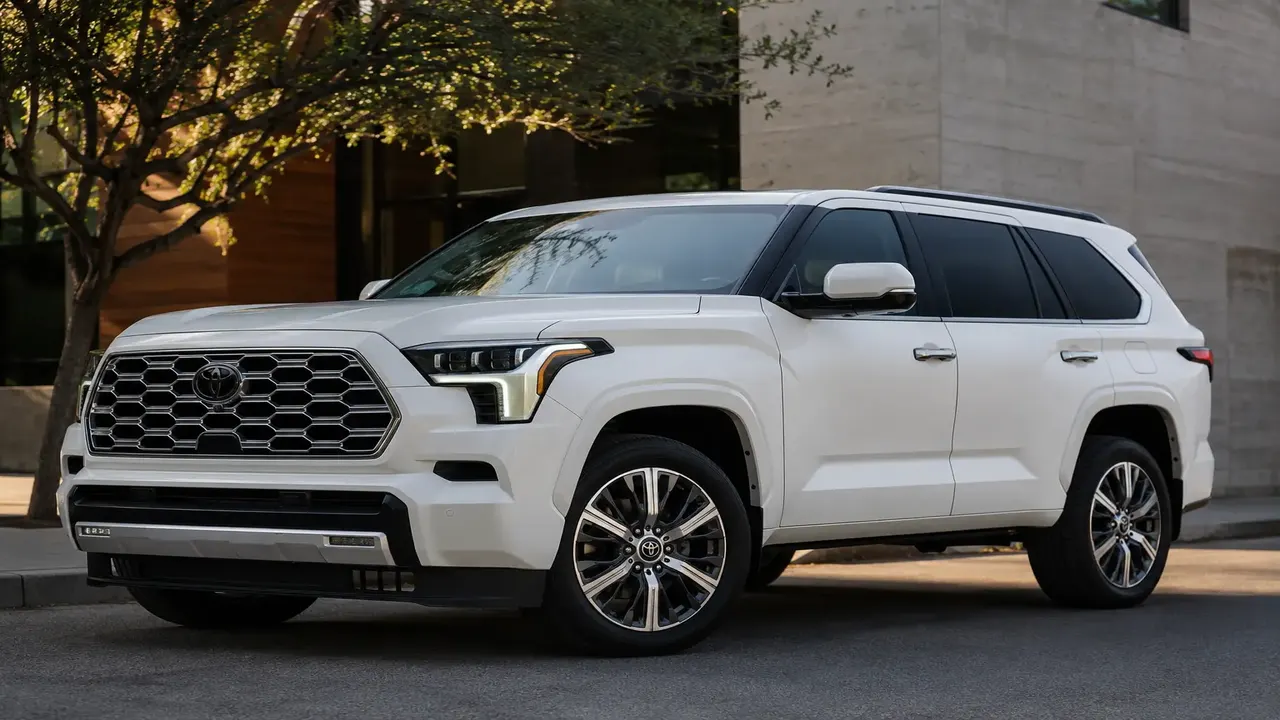
Total cost of ownership (TCO) adds up every major cost of owning a vehicle over a set period — typically 5 years/60,000-75,000 miles as a standard comparison window — including depreciation, financing interest, insurance, fuel or energy, maintenance, repairs, and taxes/fees, then expresses it as a total and a per-mile figure. Depreciation and financing typically make up the largest share of TCO for a financed new vehicle, which is why sticker price alone is a poor guide to real ownership cost.
At a glance
| TCO component | What it captures |
|---|---|
| Depreciation | Loss in resale value over the ownership period — usually the single largest component |
| Financing | Interest paid on a loan, or the effective cost of a lease |
| Insurance | Premiums over the period, which vary by model, driver and state |
| Fuel/energy | Gasoline, diesel or electricity cost based on typical annual mileage |
| Maintenance & repair | Scheduled service plus an estimate for likely repairs |
| Taxes & fees | Registration, road tax/VED, and applicable sales tax |
Why TCO, not sticker price
Two vehicles with an identical purchase price can cost very different amounts to actually own once insurance, fuel efficiency, depreciation rate, and maintenance needs are factored in. TCO analysis, a method long used by fleet managers and popularized for consumers by tools like Kelley Blue Book's 5-Year Cost to Own and Edmunds' True Cost to Own, exists specifically to make that hidden gap visible before you buy.
The standard comparison window
Most TCO models, including ours, use a 5-year or 60,000-75,000-mile window because it's long enough to capture a realistic depreciation curve and at least one non-warranty repair cycle, but short enough to still reflect current fuel, insurance and finance conditions rather than decade-old assumptions.
How each component is estimated
- Depreciation — projected using published resale-value data and historical curves for the model or, where unavailable, the segment average.
- Financing — calculated from a stated loan term, down payment and a representative current-market interest rate (or lease terms, when comparing a lease).
- Insurance — sourced from published average premiums by model/segment where available, since it varies too much by individual driver to state a single universal number.
- Fuel/energy — based on EPA/manufacturer efficiency ratings and current national-average fuel or electricity prices, adjusted for typical annual mileage.
- Maintenance & repair — scheduled-service costs from the manufacturer's maintenance schedule, plus an attributed estimate for likely repairs based on the model's reliability data.
- Taxes & fees — registration and applicable road tax/VED based on current published rates.
What TCO deliberately doesn't claim
TCO estimates are directional, not a guarantee for your specific situation — your actual insurance premium, driving style, local fuel prices and repair luck will all move the real number. The value of the methodology isn't a precise dollar prediction; it's a consistent, apples-to-apples way to compare two or more vehicles using the same assumptions, so the comparison itself is meaningful even if any single number isn't exact.
Never compare a TCO figure from one source against a sticker price or loan payment from another — always compare TCO to TCO, calculated the same way, or the numbers aren't telling you anything useful.
How to use a TCO comparison
- Pick a realistic ownership length and annual mileage that matches how you actually drive.
- Compare vehicles within the same TCO methodology, not a TCO number against a different source's sticker price.
- Treat the result as a range and a ranking tool, not a guaranteed final cost.
- Re-run the comparison if your financing terms, insurance quote, or expected mileage change significantly.
Frequently asked questions
What does total cost of ownership actually include?
Why is depreciation usually the biggest part of TCO?
Is a TCO estimate exact?
Can I compare a lease and a purchase using TCO?
Sources & further reading
- Kelley Blue Book / Cox Automotive — 5-Year Cost to Own methodology
- U.S. EPA — fueleconomy.gov, fuel cost calculators
Figures, prices and policy details were current at the last-updated date above. Automotive pricing, incentives and regulations change frequently — verify time-sensitive details with the linked primary sources. Read our editorial policy and fact-checking standards.