The 40-month slide is finally over
Used electric car prices in the UK have just done something they have not managed since December 2022: gone up. Auto Trader's latest retail data, reported by Motor Trader on 7 August 2026, shows the average used EV rose 1.6% year on year to £24,662 in June — the first annual increase in more than three years.
Anyone tracking used electric car prices in the UK through 2026 had already seen the warning sign. May was flat, which quietly ended a run of 40 consecutive months of falling values. June then turned flat into growth. After the long slide we chronicled in The Great EV Depreciation Crash, the used EV market has stopped falling and started climbing.
Nobody should mistake 1.6% for a boom, but direction matters more than magnitude. For three years, a used EV was the asset nobody wanted to hold when the trade-in valuation arrived. As of mid-2026, that story has reversed.
What the numbers actually show
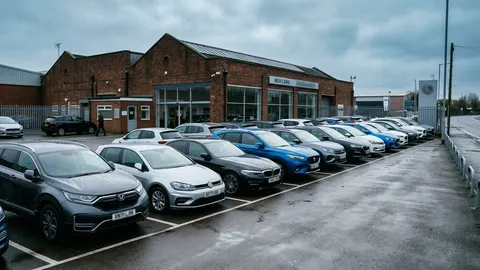
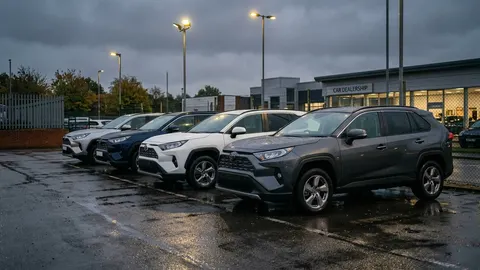
The average conceals a much sharper move underneath. Three-to-five-year-old used EVs — the ex-lease and ex-fleet stock that fills most forecourts — jumped 8.9% year on year to an average of £19,295, according to Auto Trader. They are also shifting quickly, leaving forecourts in just 21 days on average.
That segment matters because it is exactly where the bargains lived. Throughout the downturn, a three-year-old electric hatchback routinely undercut its petrol equivalent — a situation covered in our guide to EV resale value vs petrol and diesel cars. An 8.9% rise paired with a three-week turnaround says buyers have noticed, and dealers no longer need to discount to shift metal.
Demand data backs that up. EV enquiries on Auto Trader rose 125% year on year in April 2026, and used EVs accounted for roughly nine in ten of those electric enquiries. Electric appetite in the UK is overwhelmingly a used-car phenomenon right now, with the secondhand market doing the heavy lifting.
Why demand flipped: pump prices up, home energy down
The trigger is old-fashioned running-cost arithmetic. Fuel price spikes linked to the Gulf conflict have pushed diesel up by a reported 40p a litre and petrol by around 20p, according to Autocar's 2026 market reporting. At the same time, home energy costs are falling.
That combination moves the maths decisively in one direction. Every pence added at the pump makes a combustion car more expensive to live with, while every drop in domestic electricity prices makes home charging cheaper. A household comparing a £19,295 three-year-old EV with a similarly priced petrol car now sees the running-cost gap widening in the EV's favour — without, for the first time in years, the fear that the electric car will haemorrhage value faster.
Depreciation was always the counter-argument. Remove it, and the case for a used EV starts to look uncomfortably sensible.
The honest assessment
One month of annual growth after 40 months of decline is an inflection, not a recovery. The 1.6% headline rise is modest, and it is being driven partly by external shocks — fuel prices inflated by conflict can deflate just as quickly if geopolitics calms down. Treat any projection of sustained growth as expectation, not certainty.
The trade-offs are real on both sides. If you already own an EV, this is unambiguously good news: your car has stopped losing value at the old alarming rate. If you were waiting for the bottom of the market to grab a bargain, the data suggests you may have just watched it pass — particularly in the three-to-five-year-old segment, where an 8.9% jump and 21-day selling times leave little room for haggling. Our used EV depreciation and resale value guide covers how to judge individual models, because averages hide winners and losers.
The questions buyers actually ask
Is it too late to get a used EV bargain? Not entirely, but the easy wins are fading. With three-to-five-year-old cars up 8.9% and selling in 21 days, the deepest discounts have gone. Newer and older stock outside that sweet spot may still be negotiable.
Why were used EV prices falling for so long? A wave of ex-fleet supply met cautious private demand, and values fell for 40 straight months from late 2022. That oversupply now appears to have been absorbed.
Will used EV prices keep rising through 2026? Unconfirmed. The current growth leans on elevated fuel prices and cheaper home energy; if either reverses, momentum could stall. As of mid-2026, the trend is up, but modestly.
Key takeaways
- Average used EV prices in the UK rose 1.6% year on year to £24,662 in June 2026 — the first annual increase since December 2022.
- A flat May 2026 ended 40 consecutive months of falling used EV values.
- Three-to-five-year-old used EVs jumped 8.9% to an average £19,295 and sell in 21 days.
- EV enquiries on Auto Trader rose 125% year on year in April 2026, with used cars taking about nine in ten electric enquiries.
- Reported fuel spikes — diesel up ~40p a litre, petrol ~20p — plus falling home energy costs are powering the shift.
Sources & further reading
- Auto Trader retail pricing and enquiry data via Motor Trader (August 2026)
- Autocar UK fuel price and market reporting (2026)
Figures, prices and policy details were current at the last-updated date above. Automotive pricing, incentives and regulations change frequently — verify time-sensitive details with the linked primary sources. Read our editorial policy and fact-checking standards.