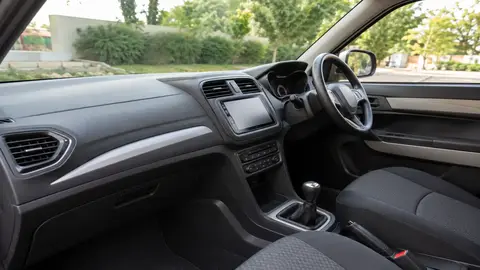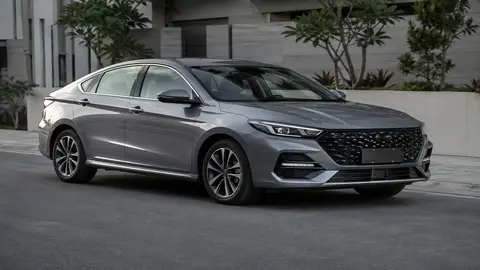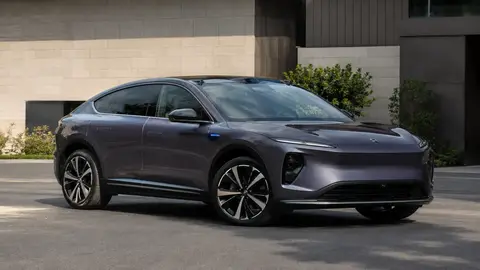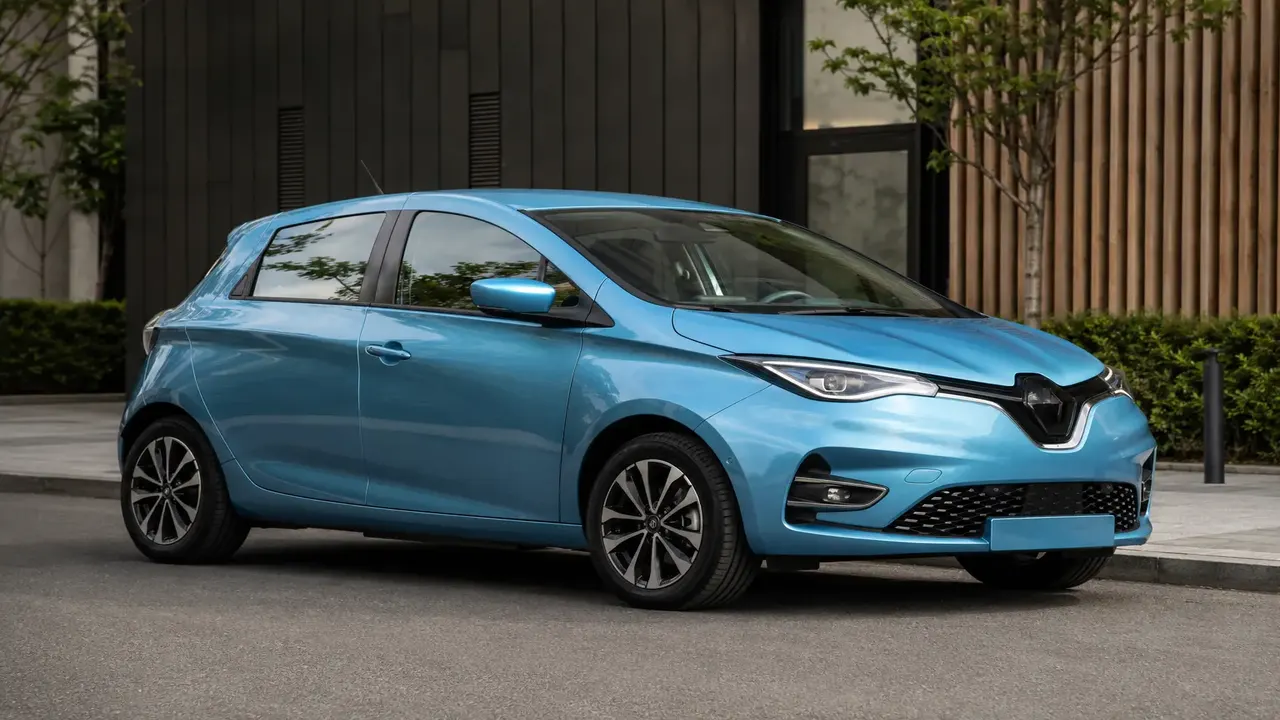
City cars suit tight urban parking and short commutes with the lowest running costs; hatchbacks/superminis are the most practical all-rounder for a first family car; estates win on load space for families or dog owners without the higher running costs of an SUV; and SUVs/crossovers offer a higher driving position and presence but typically cost more to insure and fuel than an equivalent hatchback.
Segment comparison
| Segment | Best for |
|---|---|
| City car | Urban parking, short commutes, lowest running costs |
| Supermini/hatchback | Versatile all-round first or family car |
| Estate | Load space without SUV running costs |
| SUV/crossover | Higher driving position, family/lifestyle use |
| MPV | Larger families needing more seats/flexibility |
City cars — for tight streets and short trips
Small city cars are the easiest to park in tight urban spaces and typically the cheapest to run, insure and, if electric, charge. The trade-off is limited space for passengers and luggage, making them less suited to regular long motorway trips or a growing family.
Superminis and hatchbacks — the practical default
This segment covers the widest range of everyday needs — enough space for a small family, manageable running costs, and easy parking, without the size or cost of a larger vehicle. For most first-time or budget-conscious UK buyers, a hatchback remains the most versatile starting point.
Estates — space without the SUV premium
Estate cars offer significantly more boot space than an equivalent hatchback, often more usable load volume than a similarly priced SUV, while generally retaining better fuel/energy efficiency and a lower ride height that many drivers find easier to live with day to day. They're a strong, sometimes overlooked choice for families or anyone who regularly carries bulky items or a dog.
SUVs and crossovers — position and presence, at a cost
SUVs offer a higher seating position, a commanding view of the road, and often a rugged or premium image that many buyers value. That typically comes with higher purchase price, higher insurance group, and worse fuel/energy efficiency than an equivalent hatchback or estate of similar size, due to increased weight and aerodynamic drag.
MPVs — for bigger families
Multi-purpose vehicles prioritise seating flexibility and passenger space above all else, often with sliding doors and configurable seven-seat layouts. They've become less common as compact and mid-size SUVs have absorbed much of this market, but MPVs still typically offer better practicality per pound spent for larger families than an equivalent-sized SUV.
Practical questions to ask before choosing a segment
- Where will you park most often — a tight urban space favours smaller segments.
- Do you regularly drive into a low-emission or congestion charge zone — check compliance and charges for the specific segment/age you're considering.
- How many passengers and how much luggage do you carry on a typical week, not just occasionally.
- What's your realistic annual mileage — higher mileage favours more efficient, often smaller or hybrid/EV options.
SUVs and larger, more powerful cars generally sit in higher insurance groups than an equivalent city car or hatchback, even at similar purchase prices — factor this into your running-cost comparison, not just fuel and purchase price.
Frequently asked questions
What's the cheapest car segment to run in the UK?
Is an estate car more practical than an SUV?
Why are SUVs more expensive to insure than hatchbacks?
Are MPVs still worth considering in 2026?
Does car segment affect low-emission zone charges?
Sources & further reading
Figures, prices and policy details were current at the last-updated date above. Automotive pricing, incentives and regulations change frequently — verify time-sensitive details with the linked primary sources. Read our editorial policy and fact-checking standards.