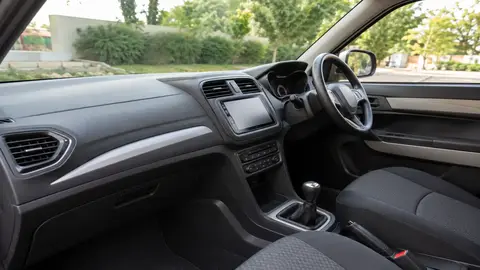
A 'ghost MOT' is a pass certificate issued for a car that was never actually inspected, sometimes by testers falsifying records for cash. The DVSA has been running fraud-detection and enforcement pushes through 2025-2026 targeting suspect test centres. As a buyer, cross-check the free MOT history at gov.uk against the car's actual mileage, condition and known fault history — inconsistencies between what an MOT record claims and what you can see on the car are the clearest warning sign.
At a glance
| Red flag | Why it matters |
|---|---|
| Mileage recorded doesn't match odometer | Suggests either the test wasn't done properly or the reading is fabricated |
| MOT history shows no advisories over many years | Genuine wear (tyres, brakes) usually generates at least occasional advisories |
| Test centre is unusually far from seller's address | Can indicate a centre known for lax or fraudulent testing rather than convenience |
| Obvious defects present despite a recent pass | Worn tyres below legal limit, cracked screen, etc. contradicting a clean recent MOT |
What a 'ghost MOT' actually is
The overwhelming majority of UK MOT tests are conducted properly. But DVSA enforcement action has periodically uncovered testers and test centres issuing certificates without the vehicle being properly inspected — sometimes for a fee, sometimes to help clear stock quickly for a trader. Through 2025 and into 2026, the DVSA has continued a fraud-prevention drive, including tighter checks on testing station data and stronger penalties for centres found falsifying records, following well-publicised cases of licences being revoked.
How to check an MOT history before buying
- Use the free official check at gov.uk (search 'check MOT history') using the registration number — it shows every test result, mileage recorded, and any advisories or failures.
- Compare the mileage on each historical test against the car's current odometer reading — mileage should rise consistently year on year; a jump backward or an implausibly small annual mileage over many years is a warning sign.
- Look for a complete absence of advisories over several years — real cars usually pick up at least minor advisories (tyre wear, brake wear) somewhere along the way.
- Check the test centre's location against the seller's — a private seller or trader using a test centre a long way from their usual area is not proof of fraud, but it's worth a second look alongside other flags.
What to physically check against the paperwork
- Tyre tread and tyre age (check the DOT date code) against a recent 'no advisory' MOT pass.
- Brake performance and any obvious corrosion or structural damage against a clean recent test.
- Whether the car 'feels' consistent with its recorded mileage — excessive wear on pedals, seats and steering wheel for a low-mileage claim is a classic mismatch.
- Ask to see service records alongside MOT history — genuine cars usually have both, roughly aligned in time.
If something looks wrong
Walk away from the specific deal if the MOT history and the car's physical condition genuinely don't match, rather than assuming it's a paperwork error. You can report suspected MOT fraud to the DVSA directly. It's also worth running an independent HPI-style history check, since MOT fraud sometimes accompanies other undisclosed issues like unrecorded write-off status or clocking.
A clean MOT history is not the same as a mechanically sound car — the MOT is a legal minimum roadworthiness check, not a full condition report. Always get an independent inspection on a used car regardless of its MOT record.
Frequently asked questions
What is a ghost MOT?
How can I check a car's MOT history before buying?
What mileage red flags should I look for in MOT history?
Does a clean MOT history mean a used car is mechanically sound?
Where do I report suspected MOT fraud in the UK?
Sources & further reading
- GOV.UK – check MOT history
- DVSA – MOT testing standards and enforcement
- Honest John – MOT changes and fraud crackdown 2026
Figures, prices and policy details were current at the last-updated date above. Automotive pricing, incentives and regulations change frequently — verify time-sensitive details with the linked primary sources. Read our editorial policy and fact-checking standards.