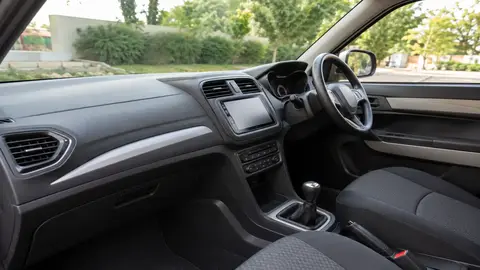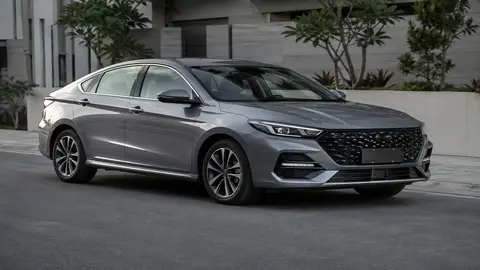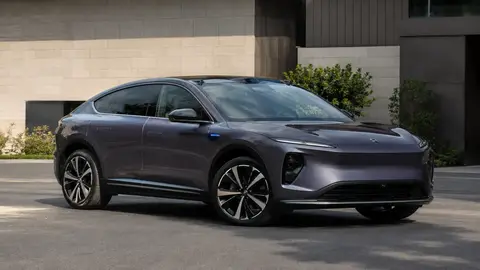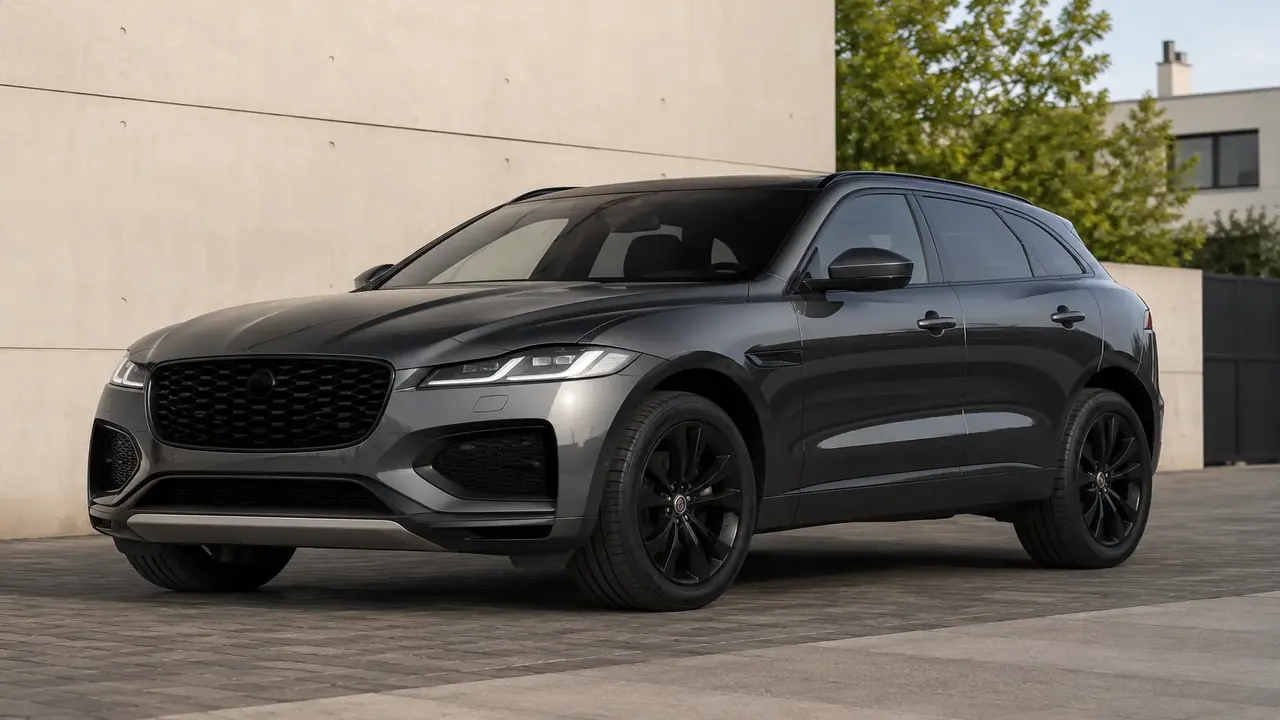
The UK doesn't publish an official "safest cars" ranking the way the US IIHS does with its Top Safety Pick award — instead, buyers use Euro NCAP's 5-star-rated models, filtered by the category breakdown that matters most to them (child occupant protection for family cars, vulnerable-road-user scores for city cars). Most mainstream models launched from 2023 onward score 4 or 5 stars, so within many segments the real differentiator is the safety-assist score, which varies more between cars than the headline star rating does.
At a glance
| Segment | What to prioritise |
|---|---|
| Family SUV/estate | Child occupant score, ISOFIX ease, side-impact protection |
| City car/supermini | Vulnerable road user (pedestrian/cyclist) score, AEB at low speed |
| Motorway/long-distance | Safety assist score (lane keep, adaptive cruise, speed limiter accuracy) |
| First car for a new driver | Overall stars plus autonomous emergency braking as standard, not optional |
There isn't one "official" UK safest-car list
Unlike the US, where the IIHS names annual Top Safety Pick and Top Safety Pick+ winners, the UK and wider Europe rely on Euro NCAP's ongoing test programme rather than an annual awards list. That's actually more useful for shopping: instead of a fixed yearly list, you look up the exact model and trim you're considering and read its full four-category breakdown.
How to build your own shortlist
- Start with your shortlist of models by segment and budget, as you normally would.
- Search each one on Euro NCAP's site and note the test year — only compare cars tested under the same or a similar protocol era.
- Check whether AEB, lane-keep assist, and speed-limit warning are standard fitment or a paid options-pack extra — many manufacturers only fit their best safety kit above entry trim.
- Cross-reference the child-seat/ISOFIX ease-of-use score if you'll be fitting a car seat regularly.
- Treat identical-badge cars from different markets with caution — a UK-spec car should match the tested EU-market car, but options and standard-fit safety kit can differ by market.
What tends to separate 5-star cars from each other
Once you're comparing several 5-star-rated cars in the same segment, the meaningful gap is usually in the safety assist percentage, not the overall star count. This category covers how well the car's driver-assistance tech actually intervenes — some systems brake smoothly and predictably, others are jerky, over-cautious, or slow to react, and Euro NCAP's underlying test notes (not just the headline score) describe this in detail.
Common mistakes when picking a "safe" car
- Assuming all trims of a model share the same rating — base trims sometimes lack AEB or curtain airbags fitted to higher grades.
- Ignoring the test year and comparing a 2019 5-star car directly against a 2026 5-star car as if the bar were identical.
- Focusing only on the headline stars and skipping the child-occupant or vulnerable-road-user breakdown that matters most for your actual use case.
- Assuming a bigger, heavier car is automatically safer — modern small cars with good structures and standard AEB often outscore older, larger vehicles.
Beyond the crash rating
A genuinely safe car on UK roads also needs good tyres matched to the season, brakes and lights properly maintained, and a driver who isn't relying on ADAS as a substitute for attention. Euro NCAP scores a vehicle in a controlled test; day-to-day safety is a combination of the car, its upkeep, and how it's driven.
Frequently asked questions
What is the UK equivalent of the IIHS Top Safety Pick?
Are all trims of a 5-star car equally safe?
Do small cars score worse than SUVs on safety?
How often is a model's Euro NCAP rating updated?
Should I trust a dealer's claim that a car is '5-star safety rated'?
Sources & further reading
Figures, prices and policy details were current at the last-updated date above. Automotive pricing, incentives and regulations change frequently — verify time-sensitive details with the linked primary sources. Read our editorial policy and fact-checking standards.