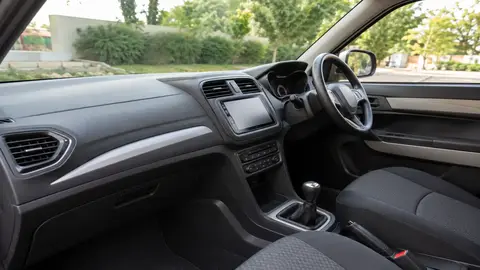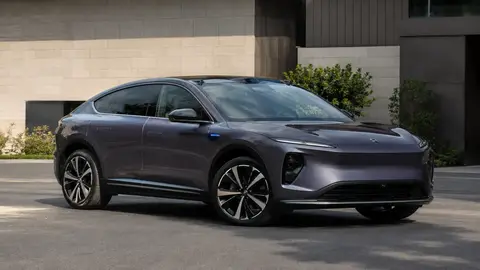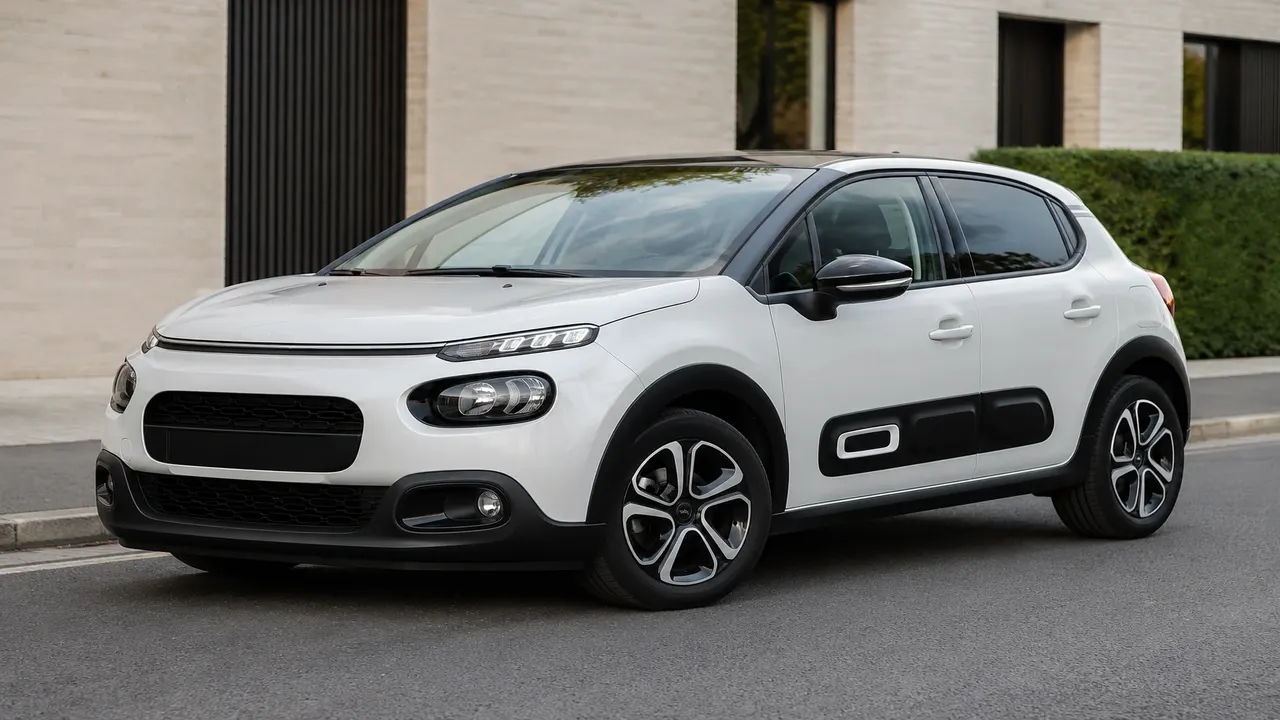
Start with two or three online valuation tools (such as those run by Autotrader, WhatCar? or your logbook loan/HPI provider) and expect a spread of 10-15% between the lowest and highest estimate — the real market price sits closer to what similar cars are actually advertised (and selling) for locally, not the average of the tools. A private sale typically achieves 10-20% more than a dealer part-exchange offer, but takes longer and carries more effort and risk.
At a glance
| Sale route | Typical price vs private sale |
|---|---|
| Private sale (advertised yourself) | Baseline — usually the highest achievable price |
| Dealer part-exchange | Roughly 10-20% below private sale value |
| Instant online buyer ("we buy any car" type) | Often 15-25% below private sale value, for speed and certainty |
| Auction | Variable; can be below private sale, faster and less hassle |
Why online valuations vary so much
Valuation tools estimate price from national sales data, adjusted for mileage, age and condition — but they can't see your car's actual condition, service history quality, or how many similar cars are for sale locally right now. Two tools can differ by hundreds of pounds on an identical spec because they weight recent sales data differently and use different definitions of "good" or "average" condition.
How to get a realistic figure
- Get valuations from at least two or three different tools and note the range, not just one number.
- Search live listings (not sold prices) for the same make, model, age, mileage and trim near you — this shows what you're actually competing against.
- Adjust down for anything below-average: tired interior, upcoming MOT work, high mileage for the age, non-standard modifications many buyers won't want.
- Adjust up for genuinely above-average points: full main-dealer service history, low mileage for age, desirable options, recent big-ticket work (new tyres, timing belt, clutch).
- Decide your realistic floor price before advertising, so you're not negotiated below what the car is actually worth in a moment of pressure.
What actually moves the price
- Full, stamped service history (or digital dealer records) typically adds several percent versus patchy or no history.
- Number of previous keepers — more owners for the car's age can suggest a less cared-for history, even if untrue in your case.
- MOT history available on the free GOV.UK checker — buyers increasingly check this before even messaging, so recurring advisories or fails will be visible and affect offers.
- Outstanding finance showing on an HPI check will stall or kill a sale until resolved — check this yourself before listing.
- Tyre condition and remaining MOT/service life — buyers factor in imminent costs when making an offer.
If three tools say £8,200, £8,900 and £9,600 for your car, the honest answer isn't "£8,900" — it's "somewhere in that range depending on real condition and what's actually for sale locally right now." Cross-check against live listings before settling on an asking price.
Pricing to sell vs pricing to test the market
Listing 5-10% above your realistic floor gives room to negotiate without insulting serious buyers, but listing too far above comparable cars mostly just wastes time with low engagement. If a listing gets views but no messages after a week or two, the price is very likely the issue, not the car.
Trade-in vs private sale: is the gap worth it
A dealer part-exchange or instant online buyer offer trades a lower price for speed, certainty and zero hassle — no viewings, no fraud risk, no advertising cost. For lower-value cars, or if your time is genuinely tight, the private-sale premium may not be worth the extra weeks of effort and risk; for higher-value cars, the gap in pounds is usually large enough to justify it.
Frequently asked questions
Why do online car valuation tools give different prices for the same car?
How much less is a dealer part-exchange than a private sale?
Does full service history really increase a car's value?
Should I get my car valued before or after fixing minor issues?
Can I check a car's MOT history before pricing it?
Sources & further reading
Figures, prices and policy details were current at the last-updated date above. Automotive pricing, incentives and regulations change frequently — verify time-sensitive details with the linked primary sources. Read our editorial policy and fact-checking standards.