London's Ultra Low Emission Zone charges £12.50 a day for cars that don't meet Euro 4 (petrol) or Euro 6 (diesel) emissions standards, and since August 2023 it covers all London boroughs, not just the centre. Beyond London, cities including Birmingham, Bristol, Bath, Portsmouth and Sheffield run their own Clean Air Zones with charges typically ranging £8-£50 a day depending on vehicle class, and Scotland's Low Emission Zones (Glasgow, Edinburgh) enforce similar non-compliant-vehicle bans with fines rather than daily charges. Roughly 9 in 10 cars already meet the standards, per Transport for London data, so most modern petrol/diesel and all EVs are unaffected.
At a glance
| Zone | Daily charge (non-compliant) | Standard required |
|---|---|---|
| London ULEZ | £12.50 (cars/vans); £100 (larger vehicles) | Euro 4 petrol / Euro 6 diesel |
| Birmingham CAZ | £8 (cars); £50 (HGVs/buses/coaches) | Euro 4 petrol / Euro 6 diesel |
| Bristol CAZ | £9 (cars/vans); £100 (buses/HGVs) | Euro 4 petrol / Euro 6 diesel |
| Glasgow/Edinburgh LEZ | Fine-based (no daily charge), from £60 | Euro 4 petrol / Euro 6 diesel |
Why these zones keep spreading
Clean Air Zones exist because a number of UK cities have historically breached legal air-quality limits for nitrogen dioxide, largely from diesel exhaust. Rather than one national scheme, each city zone is set up and enforced locally (Transport for London for the ULEZ; individual city councils elsewhere), which is why charges, boundaries and enforcement models differ from place to place even though the underlying Euro-standard logic is the same.
How to tell if your car is charged
The trigger is emissions standard, not vehicle age in a simple sense — though age is a rough proxy. Broadly:
- Petrol cars registered from roughly 2006 onward (Euro 4) are usually exempt.
- Diesel cars need to meet Euro 6, which generally means registered from around September 2015 onward — many diesels from 2016-2019 still get caught if they narrowly missed the standard.
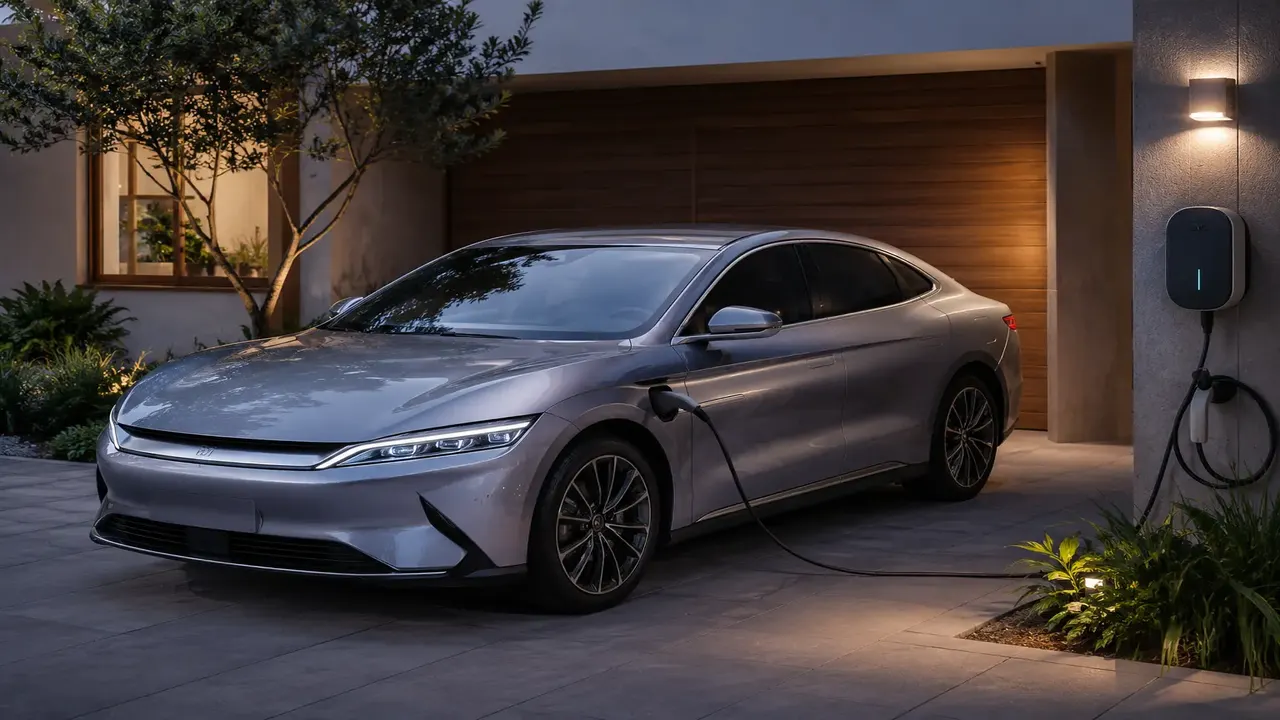
- All fully electric vehicles are exempt everywhere these zones operate.
- Motorcycles, mopeds and some historic/classic vehicles get specific exemptions depending on the zone.
Checking compliance before you drive in
TfL and individual council websites all offer free vehicle checkers where you enter a registration plate to get an instant compliant/non-compliant result — this is the only reliable way to confirm status, since Euro standard isn't printed on a V5C in a way most owners can decode unaided.
Buying a used diesel from 2015-2016 is the riskiest window — some meet Euro 6 and some don't, depending on exact release date and engine variant. Always check the registration against the zone's official tool before assuming compliance from the year alone.
The wider trend: charging zones as an emissions-reduction tool
Since ULEZ expanded London-wide, TfL has reported meaningful reductions in roadside nitrogen dioxide within the zone, and other UK cities have cited similar air-quality gains as their zones matured. The political debate over cost-of-living impact on lower-income drivers remains active, and several councils have added scrappage or mitigation schemes to soften the transition for van and small-business drivers specifically.
What buyers should weigh going forward
If you regularly drive into a zoned city, the Euro 6/Euro 4 status of any used car you're considering is now a genuine running-cost factor, not just an emissions footnote — a non-compliant vehicle used daily in central London adds roughly £3,000+ a year in ULEZ charges alone. That's increasingly pushing used-car shoppers in urban areas toward younger diesels, hybrids or full EVs specifically to dodge the daily charge.
Frequently asked questions
Does ULEZ apply to the whole of London now?
How much is the London ULEZ charge?
Are electric cars exempt from Clean Air Zones?
How do I check if my car is ULEZ compliant?
Sources & further reading
- Transport for London — Ultra Low Emission Zone
- GOV.UK — Driving in a Clean Air Zone
- GOV.UK — Driving and transport guidance
Figures, prices and policy details were current at the last-updated date above. Automotive pricing, incentives and regulations change frequently — verify time-sensitive details with the linked primary sources. Read our editorial policy and fact-checking standards.