Basic double-DIN aftermarket head units with CarPlay/Android Auto support start around $150-$300; mid-range units with better DACs, built-in DSP, and larger screens run $300-$600; premium units with advanced processing and higher-resolution displays go $600-$1,200+. Fitment and steering-wheel control retention typically need a $20-$80 vehicle-specific wiring harness and sometimes a dash kit, so budget for those alongside the unit itself.
At a glance
| Tier | Price | Typical features |
|---|---|---|
| Basic double-DIN | $150-$300 | CarPlay/Android Auto, basic EQ |
| Mid-range | $300-$600 | Better DAC, built-in DSP, larger screen |
| Premium | $600-$1,200+ | High-res display, advanced processing |
Why upgrade the head unit at all
The most common reasons are adding CarPlay/Android Auto to an older car that lacks it, improving sound quality via a better built-in DAC and amplifier section, and getting a larger, more responsive touchscreen than an aging factory unit offers. It's also often cheaper than buying a newer car just to get modern connectivity features.
Single-DIN vs. double-DIN
Head units come in standard sizes — single-DIN (about 2 inches tall) and double-DIN (about 4 inches tall, allowing larger touchscreens). Most modern aftermarket units are double-DIN; check which size opening your dash has, since converting between them may require a different dash kit or isn't possible on some vehicles without more extensive trim work.
The retention problem: steering wheel controls and factory features
Replacing a factory head unit often means you'd lose steering-wheel audio controls, factory backup camera integration, or climate control display if those were built into the factory screen. A vehicle-specific wiring harness (sometimes called a 'plug and play' harness) bridges this gap for most cars, translating factory steering-wheel signals into a format the aftermarket unit understands — but not every make/model has a mature, well-supported harness, so research your specific vehicle before buying.
Vehicles where it's not worth it
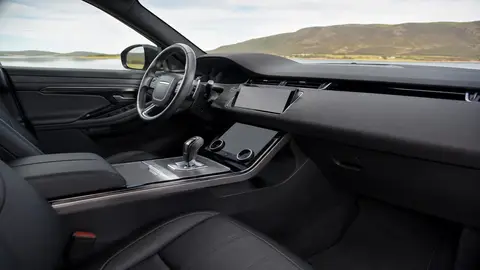
Some modern vehicles integrate the infotainment screen deeply with climate controls, driver information displays, or safety systems in ways that make aftermarket replacement impractical, expensive, or outright unsupported. For these, aftermarket adapters (wireless CarPlay dongles, etc.) that work within the factory system are usually the better path.
- Confirm your dash opening size (single vs double-DIN) before buying
- Research harness availability and quality specifically for your make/model/year
- Check whether your factory backup camera can integrate with the new unit's input
- Decide whether you need steering-wheel control retention — losing it is a common regret
- Budget for a dash kit (trim bezel) alongside the head unit and harness
Installation reality
A cheap or incompatible wiring harness is the most common cause of lost steering-wheel controls, backup camera issues, or electrical gremlins after a head unit swap. Some newer vehicles route critical vehicle functions (like parking sensors or collision warnings) through the factory screen — verify nothing safety-related depends on the OEM unit before removing it.
A straightforward swap with a well-supported harness is a manageable DIY project for someone comfortable with basic wiring and trim removal, typically an hour or two. Vehicles with more integrated factory systems, or where harness support is poor, are better left to a professional installer familiar with your specific model.
Setting realistic expectations
An aftermarket head unit meaningfully improves connectivity and often sound quality, but on a vehicle with poor factory speakers, the improvement in actual audio output is limited until speakers and amplification are also addressed.
Frequently asked questions
Will I lose steering wheel controls with an aftermarket head unit?
Can I add CarPlay to my car with an aftermarket head unit?
Is a bigger touchscreen head unit always better?
Do all cars support aftermarket head unit replacement?
Should I install an aftermarket head unit myself?
Sources & further reading
Figures, prices and policy details were current at the last-updated date above. Automotive pricing, incentives and regulations change frequently — verify time-sensitive details with the linked primary sources. Read our editorial policy and fact-checking standards.