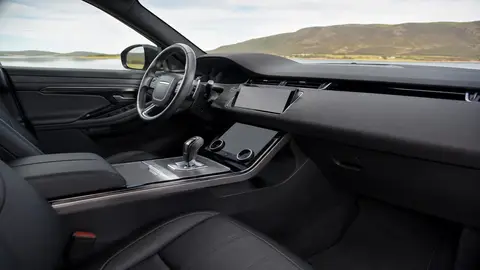
Aftermarket digital rearview mirrors that clip over your existing mirror cost $80-$250, with higher-end units adding built-in dash cam recording and HD night-vision cameras pushing toward $200-$400. The main functional win is an unobstructed rear view even with a full back seat or tall cargo — but many drivers find the video image takes real adjustment time versus a reflective mirror, especially judging distance.
At a glance
| Tier | Price | Notable feature |
|---|---|---|
| Basic clip-on digital mirror | $80-$150 | Camera feed replaces reflection |
| Digital mirror + dash cam recording | $150-$300 | Records front/rear video |
| Premium HD night-vision mirror | $250-$400+ | Better low-light clarity, wider FOV |
How they work
A digital rearview mirror uses a rear-facing camera (usually mounted near the rear license plate or on the trunk/hatch) feeding a live video stream to a screen built into a mirror housing that clips over your factory mirror. Unlike a reflective mirror, the view isn't blocked by passengers, headrests, or cargo — you see exactly what the rear camera sees, all the time.
The adjustment period is real
Video-based distance judgment differs from a reflection: depth perception through a screen, especially with a wide-angle lens, takes most drivers days to a couple of weeks to fully adjust to. Some users also report mild eye strain switching focus between the road and a screen at a slightly different focal distance than a traditional mirror.
Where they clearly help
Drivers who frequently carry a full back seat, tow trailers, drive vans with no rear windows, or load cargo up to the roofline benefit the most — a factory mirror is useless in those situations, while a digital mirror keeps working regardless of what's blocking the physical sightline.
Where they're less useful
For a typical sedan driver with clear rear visibility most of the time, the upgrade solves a problem that doesn't really exist day-to-day, and the video lag (even if small, often under 0.1 seconds on quality units) combined with the learning curve may not be worth it compared to keeping a normal mirror.
Key features to compare
- Resolution and low-light performance of the rear camera (HD units handle night driving far better)
- Toggle option to switch back to a standard reflective mirror instantly if needed
- Field of view — wider isn't always better since it compresses perceived distance
- Anti-glare/HDR handling for oncoming headlights at night
- Whether it doubles as a dash cam, which adds value but also complexity to the wiring
Installation notes
A digital mirror that can't quickly toggle back to a plain reflective view is a real liability if the camera or screen ever fails or glitches while driving. Mounting the rear camera crookedly, or letting road grime cover the lens, degrades the one advantage this product offers — a clear rear view.
Installation involves running a video cable from the rear camera to the mirror, typically along the headliner and down a pillar, plus a power tap. It's a more involved install than a simple backup camera because the cable run is longer and often needs to pass near or through the trunk/hatch seal.
Bottom line
Digital mirrors solve a specific visibility problem well — full cargo, loaded back seats, trailers — but they're a lateral trade for drivers who already have clear rear visibility, not a universal upgrade.
Frequently asked questions
Can I switch a digital mirror back to a normal mirror?
Do digital mirrors work well at night?
Is there a learning curve with digital mirrors?
Do digital mirrors also record video like a dash cam?
Are digital mirrors legal?
Sources & further reading
- NHTSA — Rear visibility and mirror standards (FMVSS 111)
- SAE International — Rearview Mirror & Visibility Standards
- Consumer Reports — Car Safety Technology Ratings
Figures, prices and policy details were current at the last-updated date above. Automotive pricing, incentives and regulations change frequently — verify time-sensitive details with the linked primary sources. Read our editorial policy and fact-checking standards.