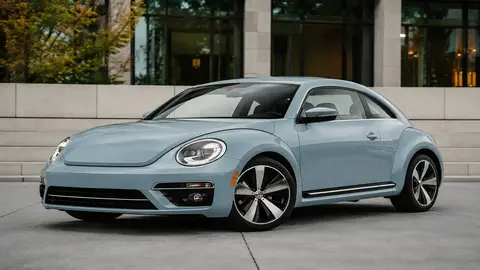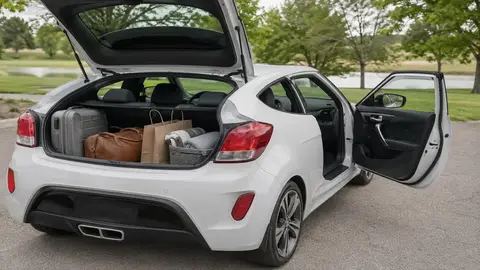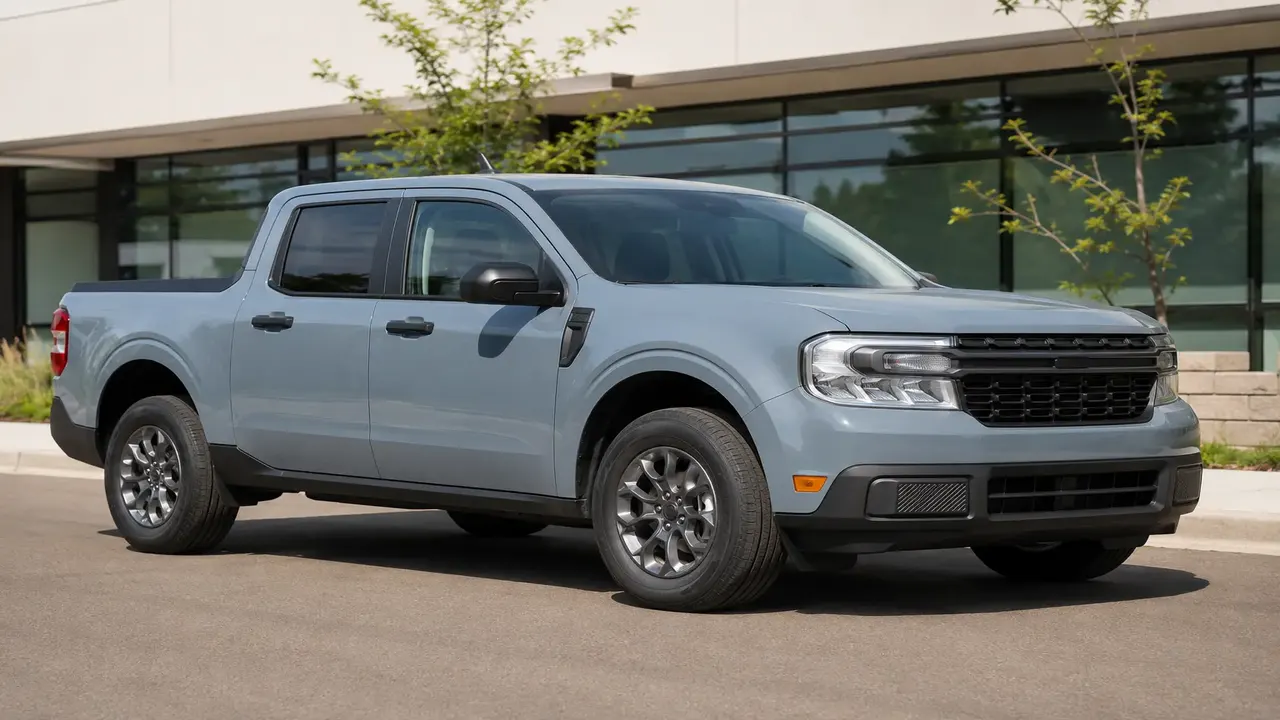
Mud flaps and splash guards reduce paint chips, undercarriage corrosion, and road spray thrown up by the tires, particularly valuable for trucks, SUVs, and any vehicle driven on gravel or in winter road-salt regions. Basic universal rubber flaps cost $10-$30 per set; molded, vehicle-specific flaps that match the body contour run $30-$80 per set, and OEM-branded splash guards can reach $80-$150+.
At a glance
| Type | Fit | Typical price |
|---|---|---|
| Universal rubber flap | Trim-to-fit, loose match | $10-$30 (set) |
| Molded vehicle-specific guard | Contoured to body/wheel well | $30-$80 (set) |
| OEM-branded splash guard | Exact factory fit and finish | $80-$150+ (set) |
What mud flaps actually prevent
As tires roll, they fling water, mud, gravel and de-icing salt rearward and upward into the wheel wells, rocker panels, and rear quarter panels. Over years, this causes chipped paint, accelerated rust in wheel-well seams, and dirty streaking down the sides of the vehicle. This is a bigger issue for trucks and SUVs with larger, more aggressive tires, and for anyone driving frequently on gravel roads or in states that heavily salt roads in winter.
Universal vs. molded vs. OEM
Universal flaps are the cheapest option — flat rubber sheets you trim and drill to mount behind each wheel — but the fit is approximate and they can look aftermarket. Molded, vehicle-specific guards are shaped to match the body line and wheel arch of a specific make/model, giving a cleaner look and often extending further to catch spray more effectively. OEM-branded splash guards match the factory paint and body contour most precisely and are the priciest option, often sold through the dealer parts department.
Front vs. rear flaps
Rear flaps address the most common complaint (rear quarter panel chipping and rocker panel splatter from the front tires), while front flaps reduce spray thrown onto the vehicle itself as well as debris kicked toward vehicles behind you — a relevant consideration for trucks towing or driving in convoy on gravel or job sites.
Common mistakes to avoid
- Mounting flaps too low, causing them to drag or scrape on speed bumps and steep driveways.
- Using universal flaps that hang unevenly, reducing effectiveness and looking untidy.
- Skipping front flaps on a vehicle that regularly tows or drives on gravel, where front-thrown debris is a real issue for following vehicles.
- Over-tightening mounting hardware into thin plastic wheel-well liners, cracking the material.
Check ground clearance after installing flaps, especially on lifted trucks or vehicles with steep driveway approaches — flaps mounted too low can catch and tear on speed bumps or curbs.
Frequently asked questions
Do mud flaps really help prevent rust?
Are mud flaps legal everywhere?
Do I need front and rear mud flaps?
Can I install mud flaps myself?
Sources & further reading
- Federal Motor Carrier Safety Administration — mud flap requirements for commercial vehicles
- Consumer Reports — vehicle exterior accessory guidance
Figures, prices and policy details were current at the last-updated date above. Automotive pricing, incentives and regulations change frequently — verify time-sensitive details with the linked primary sources. Read our editorial policy and fact-checking standards.