Tow hitches are rated in five classes, from Class 1 (up to 2,000 lbs towing capacity) to Class 5 (up to 17,000-20,000+ lbs), and a hitch's rating must match or exceed both the receiver hitch's rating and the vehicle manufacturer's actual towing capacity — whichever is lower governs safe towing weight. A basic Class 1-2 receiver hitch installed costs $150-$500; heavy-duty Class 4-5 hitches for trucks and SUVs run $300-$900 installed.
At a glance
| Class | Receiver size | Typical max towing | Common use |
|---|---|---|---|
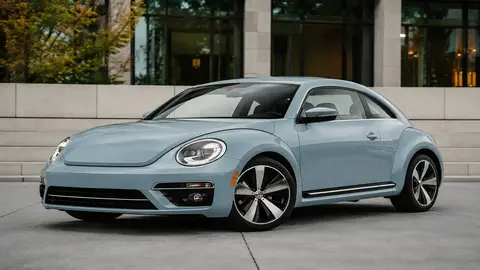
| Class 1 | 1.25 in | up to 2,000 lbs | Small SUVs, sedans, bike racks |
| Class 2 | 1.25 in | up to 3,500 lbs | Crossovers, small trailers |
| Class 3 | 2 in | up to 8,000 lbs | Mid-size SUVs/trucks, campers |
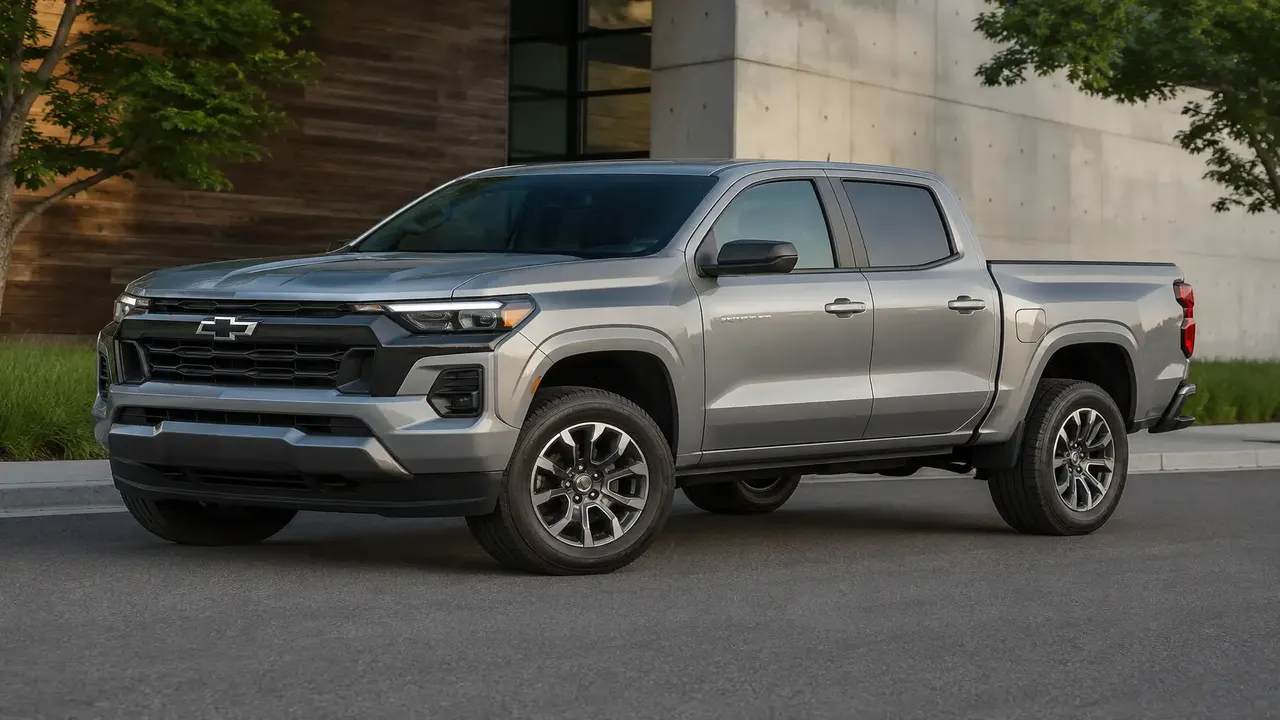
| Class 4 | 2 in | up to 10,000-12,000 lbs | Full-size trucks, heavier trailers |
| Class 5 | 2 in / 2.5 in | up to 17,000-20,000+ lbs | Heavy-duty trucks, large trailers |
How hitch classes actually work
A hitch's class rating describes the receiver tube size and the maximum gross trailer weight the hitch itself is engineered to handle — but that's only half the equation. The vehicle's own manufacturer-rated towing capacity, listed in the owner's manual, is often lower than what a Class 3 or 4 hitch could physically handle, and the lower of the two numbers is always the real safe limit. A Class 4 hitch bolted to a vehicle with a 5,000 lb factory tow rating doesn't turn that vehicle into an 10,000 lb tower — it just means the hitch hardware itself won't be the weak link.
Weight-carrying vs. weight-distribution ratings
Every hitch has two towing numbers: a weight-carrying capacity for standard ball-mount towing, and a (usually higher) weight-distribution capacity when used with a weight-distribution hitch system that levels the tow vehicle and trailer using spring bars. Trailers approaching or exceeding roughly 50% of a hitch's weight-carrying rating are strong candidates for a weight-distribution system, both for safety and for keeping the tow vehicle's front end from lifting.
Choosing the right hitch
- Check the vehicle manufacturer's maximum towing capacity first — this caps what any hitch, regardless of class, can safely tow.
- Match the receiver size (1.25 in, 2 in, or 2.5 in) to the accessories planned — bike racks and cargo carriers commonly use 1.25 in or 2 in receivers, while heavy trailers need 2 in or 2.5 in.
- Confirm the hitch is a direct-fit kit for the vehicle's exact year/trim — universal hitches exist but direct-fit kits use factory mounting points for a cleaner, stronger installation.
- Factor in tongue weight capacity separately from towing capacity — most hitches rate tongue weight at roughly 10-15% of the towing capacity.
Installation basics
- Most direct-fit hitches bolt to existing frame mounting points without drilling; confirm this before buying if avoiding drilling is a priority.
- Torque all bolts to the manufacturer's specified values — under-torqued hitch bolts are a common cause of hitch rattle and, in rare cases, failure under load.
- Wire the trailer light connector correctly and test all functions (brake lights, turn signals, running lights) before towing.
- Have the hitch inspected periodically for rust, bent components, or loose mounting bolts, especially in areas with road salt.
The single most common overloading mistake is assuming the hitch's class rating is the vehicle's towing capacity — always check the vehicle manufacturer's actual rated capacity in the owner's manual or door-jamb sticker, since it's frequently lower than the hitch hardware could handle.
Who needs which class
Class 1-2 hitches suit sedans, crossovers, and small SUVs mainly towing small utility trailers, bike racks, or cargo carriers under 3,500 lbs. Class 3 covers most mid-size SUV and light-truck towing needs, including small campers and boats. Class 4-5 hitches are for full-size trucks and heavy-duty vehicles regularly towing large campers, car trailers, or heavy equipment — buying beyond what the vehicle itself is rated for adds cost without adding real capability.
Frequently asked questions
What hitch class do I need for my vehicle?
Can I upgrade my vehicle's towing capacity with a bigger hitch?
Do I need a weight-distribution hitch?
Is a 2-inch or 1.25-inch hitch receiver better?
Can any hitch be installed without drilling?
Sources & further reading
- SAE International — towing standards (J2807)
- NHTSA — trailer towing and vehicle equipment safety guidance
Figures, prices and policy details were current at the last-updated date above. Automotive pricing, incentives and regulations change frequently — verify time-sensitive details with the linked primary sources. Read our editorial policy and fact-checking standards.