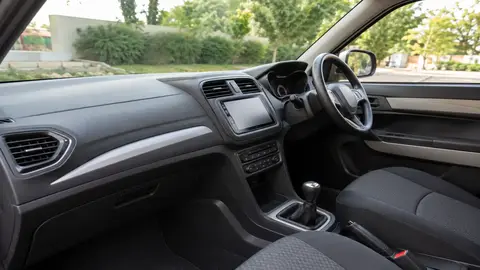
After a major hurricane or flood event, an estimated hundreds of thousands of vehicles can be affected nationally, and not all get properly titled as flood-damaged — some are cleaned up and shipped to other states for resale with a clean title. Run the VIN through the NICB VINCheck (free) and a paid history report (Carfax or AutoCheck) for flood or salvage brands, then physically inspect for musty odor, water lines under carpets and seats, silt in seatbelt retractors, and electrical faults. A $20-$40 pre-purchase inspection by an independent mechanic before buying is the single best protection a history report can't fully replace.
At a glance
| Check | Cost | What it catches |
|---|---|---|
| NICB VINCheck | Free | Reported flood/salvage/theft records |
| Carfax/AutoCheck report | $25-$45 (or dealer-provided) | Title brands, accident history, odometer flags |
| Independent pre-purchase inspection | $100-$200 | Physical evidence a report can miss |
| Musty smell / mildew | Free (your own nose) | Water intrusion in carpet/upholstery |
| Rust in unusual spots | Free | Under dash, seat rails, trunk latch mechanisms |
Why flood cars slip through the cracks
After major storms, insurers total out flood-damaged vehicles and the state is supposed to brand the title "flood" or "salvage." But title washing — moving a car through one or more states with weaker branding rules to obtain a cleaner-looking title — remains a persistent problem, especially in the months after a major hurricane season. A car flooded in one state can turn up months later for sale hundreds of miles away with no obvious title flag.
Documentation checks to run first
- NICB VINCheck (free, nicb.org) — flags vehicles reported as flood, salvage, or stolen by participating insurers.
- A full vehicle history report (Carfax, AutoCheck) — broader coverage than VINCheck, shows title brand history across states.
- Compare the seller's story (mileage, location history) against what the report shows — inconsistencies are a red flag on their own.
Physical signs of water damage
- Smell test: a strong air-freshener smell masking a musty or moldy odor underneath is one of the most reliable tells.
- Check under carpets and floor mats for water staining, sand, or silt — pull back a corner if the seller allows it.
- Inspect seatbelt retractors by pulling the belt all the way out; grit or a water line inside the mechanism is very hard to fully clean.
- Look for rust or corrosion in unusual places — under the dashboard, on seat-mounting bolts, inside the spare tire well, or on the trunk latch.
- Check for mismatched interior components — new carpet or seats in an otherwise older interior can indicate a partial water-damage repair.
- Test all electrical systems — windows, seat adjusters, infotainment, HVAC — water-damaged wiring often causes intermittent failures that show up over time, not immediately on a test drive.
| Warning sign | Where to look |
|---|---|
| Musty odor under air freshener | Cabin, trunk |
| Silt/sand residue | Under carpet, in seatbelt retractors, under seats |
| Fogging in headlight/taillight housings | Exterior lights |
| Corrosion on exposed metal | Under dash, seat rails, door hinges |
| Inconsistent electronics | Windows, infotainment, warning lights |
Flood damage can cause electrical and corrosion problems that don't appear for months after purchase, well after a short test drive would reveal anything. A pre-purchase inspection that checks under carpets and inside connectors is worth the cost even on a car that seems fine.
If you already suspect you bought one
Get a documented inspection from an independent mechanic noting flood-damage indicators, then contact your state attorney general's consumer protection office or the seller's licensing board — many states have specific remedies for undisclosed flood damage, separate from general lemon law protections.
Frequently asked questions
Is NICB VINCheck reliable on its own?
Can a flood-damaged car be repaired safely?
Do all states brand titles as 'flood damage'?
What should I do if I suspect a car has hidden flood damage?
Are flood cars only a risk right after hurricane season?
Sources & further reading
Figures, prices and policy details were current at the last-updated date above. Automotive pricing, incentives and regulations change frequently — verify time-sensitive details with the linked primary sources. Read our editorial policy and fact-checking standards.