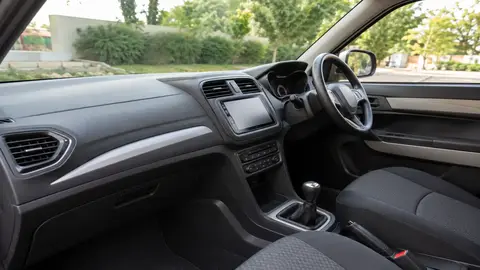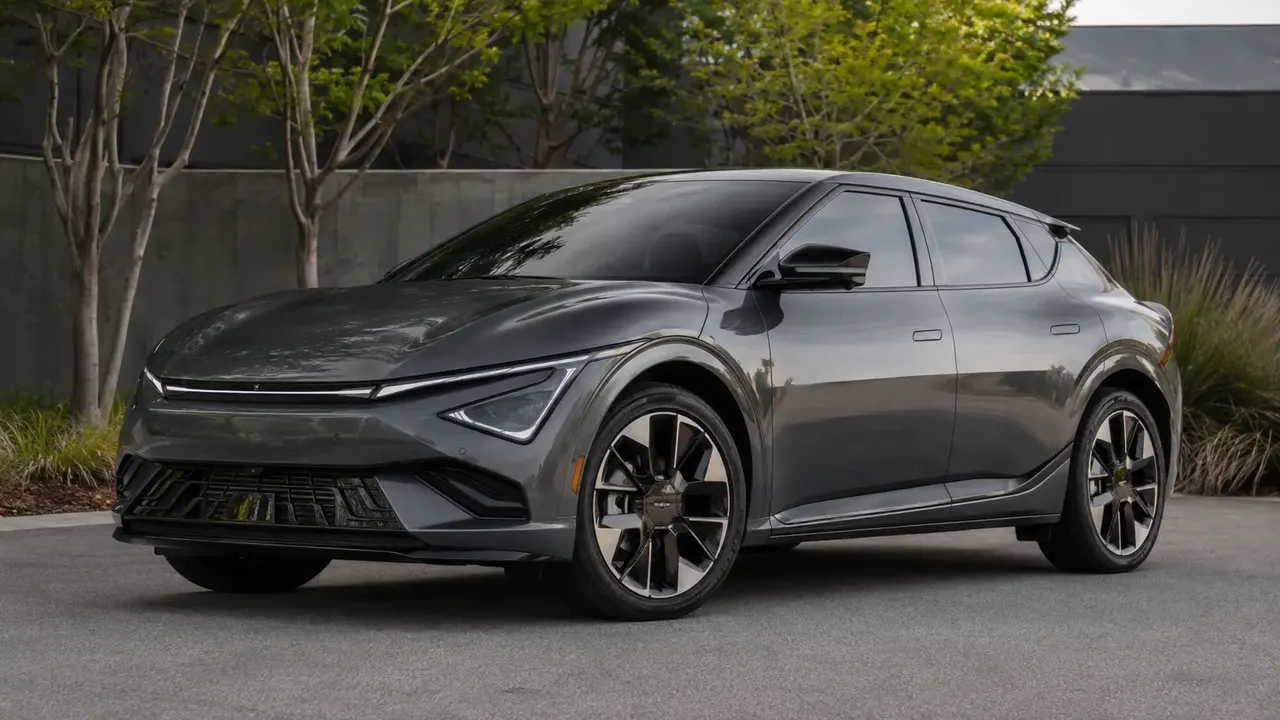
The out-the-door (OTD) price is the full amount you'll pay to drive away: vehicle price + sales tax + title/registration fees + documentation fee − any trade-in or rebate. Ask every dealer for this single number in writing before discussing financing or trade-in, since negotiating on monthly payment alone lets dealers hide markup by stretching the loan term. Typical negotiable room off MSRP on mainstream new cars runs 3%-8%; used-car room varies far more by how long the car has sat on the lot.
At a glance
| OTD component | What it includes |
|---|---|
| Vehicle price | Negotiated selling price, before tax/fees |
| Sales tax | State/local rate applied to price (or price minus trade-in credit in many states) |
| Title & registration | State DMV fees |
| Documentation fee | Dealer paperwork fee — capped by law in some states, uncapped in others |
| Less: rebates/incentives | Manufacturer or dealer cash applied |
| Less: trade-in value | Reduces amount financed and, in most states, taxable amount |
Why "out the door" is the only number that matters
Dealers can make almost any headline number look attractive by shifting it elsewhere — a low sticker price with high fees, a good trade-in offer that hides a high vehicle price, or a low monthly payment stretched over 84 months. Asking for one all-in number — what you'll actually pay to drive away today — collapses all of that into something comparable across dealers and across financing options.
The negotiation sequence
- Research the market price for your exact trim/mileage using multiple listing sites, not just one dealer's own inventory.
- Get pre-approved financing from your bank or credit union first, so you know your baseline rate before the dealer offers theirs.
- Negotiate the vehicle price alone — do not discuss trade-in or monthly payment yet.
- Once the price is agreed, ask for a full OTD number in writing, itemized line by line.
- Only then introduce your trade-in and compare the dealer's financing offer against your pre-approval.
- Walk away or ask for adjustments if any line item looks inflated versus what you researched.
What's negotiable — and what isn't
| Line item | Negotiable? |
|---|---|
| Vehicle selling price | Yes — this is the main lever |
| Documentation fee | Sometimes — varies by state law and dealer policy |
| Sales tax | No — set by state/local law |
| Title/registration fees | No — set by the state DMV |
| Add-on products (warranty, GAP, protection packages) | Yes — and often removable entirely |
| Trade-in value | Yes — get independent appraisals to compare |
Typical negotiating room
On a mainstream new car with normal demand, 3%-8% off MSRP is a realistic target range, more on slower-moving models near the end of a model year, less on high-demand or supply-constrained vehicles. On used cars, room depends heavily on how long the specific car has been on the lot — cars sitting 60+ days often have far more flexibility than one that just arrived, since the dealer is paying floorplan interest the whole time it's unsold.
Common negotiating mistakes
- Negotiating monthly payment instead of price — a lower payment can hide a longer loan term or higher total cost.
- Revealing your trade-in or financing plans before the price is locked.
- Accepting a verbal OTD quote instead of insisting on it in writing before signing anything.
- Skipping research on your specific trim's real transaction prices in your region.
Ask for a full OTD quote via email or text before you go in for final paperwork. This gives you a record to hold the dealer to and lets you compare offers from multiple dealers side by side.
Frequently asked questions
What does "out the door" price mean when buying a car?
How much can I realistically negotiate off a new car's price?
Should I negotiate monthly payment or total price?
Are dealer documentation fees negotiable?
Sources & further reading
Figures, prices and policy details were current at the last-updated date above. Automotive pricing, incentives and regulations change frequently — verify time-sensitive details with the linked primary sources. Read our editorial policy and fact-checking standards.