US full-coverage car insurance averages roughly $2,000-$2,600 a year in 2026, but the gap between the cheapest and most expensive models to insure within the same price range can be $500-$1,000+ annually. The biggest drivers of lower premiums are safety ratings, repair cost history, theft rates, and horsepower — mainstream compact and midsize sedans and crossovers with strong safety scores and low repair costs consistently insure cheaper than sports cars, luxury vehicles, and models with high theft rates or expensive parts.
True Motion Auto collects and presents information from official and primary sources (regulators, government bodies, lenders and insurers' published terms). This is general information, not personalised financial advice — check figures with the provider or a qualified adviser before acting. Jurisdiction: US. Last checked: August 2026.
Editorial oversight: Vasudha Gupta, Editor.
At a glance
| Factor | Effect on premium |
|---|---|
| Strong IIHS/NHTSA safety rating | Lowers premium — fewer/less severe claims |
| High horsepower / sports models | Raises premium — higher claim frequency and severity |
| High theft-rate models | Raises premium regardless of safety rating |
| Expensive parts / complex EV drivetrains | Can raise premium via repair cost, even with good safety scores |
| Common, widely-available parts | Lowers premium via cheaper, faster repairs |
What insurers actually price in
Auto insurers set premiums using a combination of claims data specific to a model, not just broad vehicle category. That means two crossovers of similar size and price can have meaningfully different premiums if one has a history of costlier repairs, a higher theft rate, or worse real-world crash outcomes reported through insurance claims data (which is a different data set than IIHS or NHTSA's own test results, though the two often align).
Safety ratings and claims history
Vehicles with strong IIHS and NHTSA ratings tend to generate fewer and less severe injury claims, which insurers reward with lower premiums over time as claims data accumulates for that model. This is one reason a brand-new model sometimes carries a less predictable premium initially — insurers price partly on actuarial history that a first-model-year vehicle simply doesn't have yet.
Horsepower, performance, and driver behavior
Higher-horsepower and performance-oriented vehicles consistently carry higher premiums, reflecting both a statistically higher claim frequency (more aggressive driving styles self-select toward these vehicles) and higher potential claim severity in a crash. This applies even to otherwise practical vehicles — a performance-trim version of an everyday sedan or crossover often costs measurably more to insure than the standard trim of the same model.
Theft rates and parts costs
Some models are disproportionately targeted for theft or catalytic-converter theft, which raises comprehensive-coverage premiums regardless of how safely the vehicle performs in a crash. Separately, repair cost matters independent of safety: vehicles with complex sensor arrays, aluminum body panels, or hard-to-source parts cost more to fix after even a minor collision, which insurers factor into collision-coverage pricing. This is increasingly relevant for EVs, where battery and sensor repair costs can be higher than for comparable gas vehicles even when crash-safety ratings are excellent.
| Vehicle type | General insurance cost tendency |
|---|---|
| Mainstream compact/midsize sedan | Below average |
| Mainstream crossover/SUV | Average to below average |
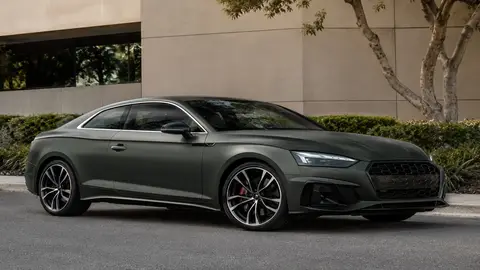
| Sports car / high-horsepower trim | Above average, often significantly |
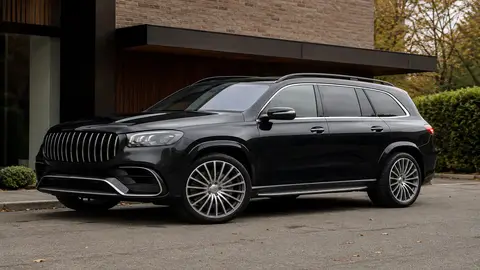
| Luxury sedan/SUV | Above average |
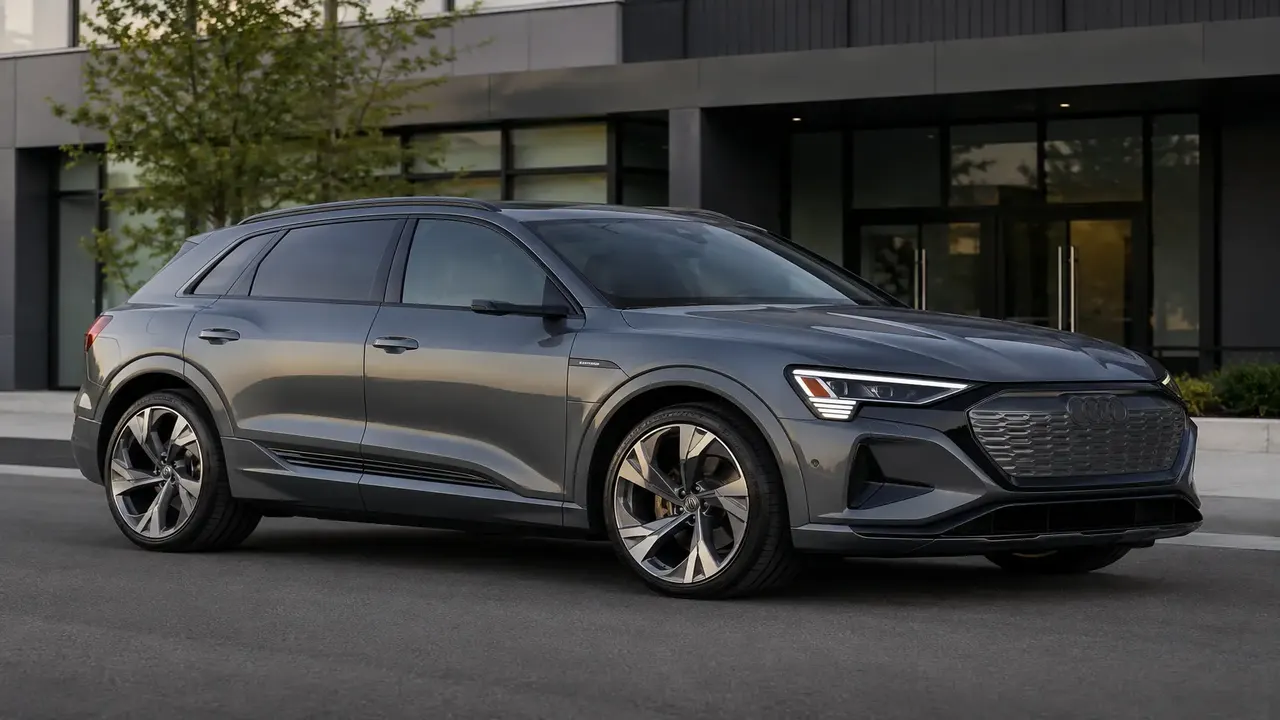
| EV with complex sensor/battery repair costs | Can be above average despite strong safety scores |
How to check before you buy, not after
Most major insurers and comparison sites let you get a preliminary quote for a specific model and trim before purchase — this is worth doing before signing, since the premium difference between two similarly-priced vehicles can be substantial enough to shift the real cost-of-ownership comparison.
A car's sticker price doesn't predict its insurance cost — always get a real quote for the specific trim and your own driver profile before assuming a model is affordable to insure.
Frequently asked questions
What's the average cost of car insurance in the US in 2026?
Do safety ratings really lower insurance premiums?
Are EVs more expensive to insure than gas cars?
Why do sports cars cost so much more to insure?
Can I get an insurance quote before buying a car?
Sources & further reading
Figures, prices and policy details were current at the last-updated date above. Automotive pricing, incentives and regulations change frequently — verify time-sensitive details with the linked primary sources. Read our editorial policy and fact-checking standards.