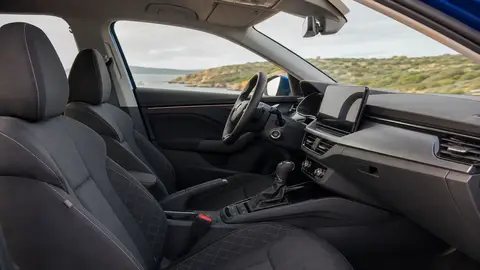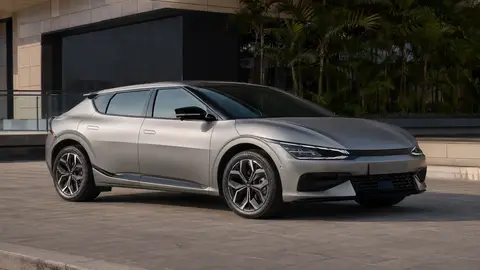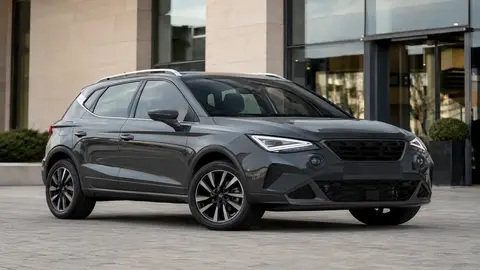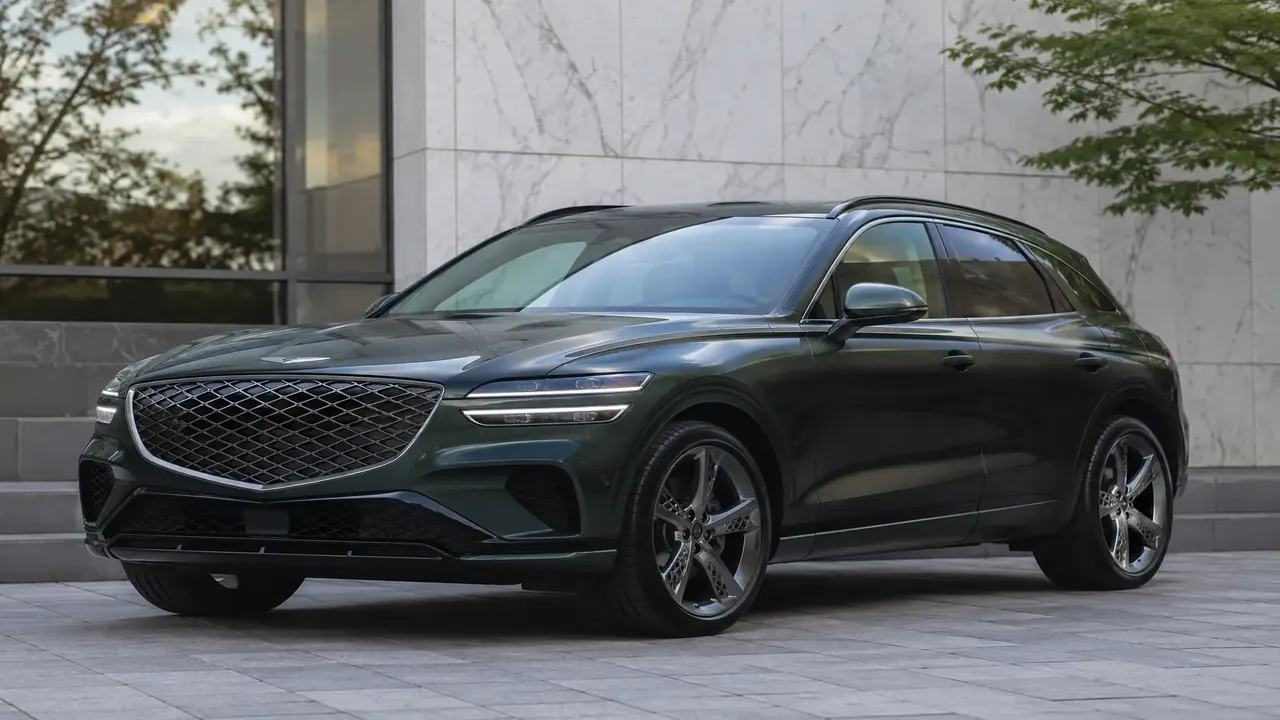
By mid-2026, digital key support (via UWB — Ultra-Wideband, or NFC) is standard or available on most mainstream new vehicles from BMW, Hyundai, Kia, GM, and Tesla, and is built into both Apple Wallet and Google Wallet for supported models. The industry has largely converged on the Car Connectivity Consortium's Digital Key 3.0 standard for cross-brand compatibility. You can typically share a digital key with up to 5 people and set restrictions like speed or radio volume limits for guest drivers. A physical backup key or key card is still included with virtually every car, since a dead phone battery can otherwise lock you out.
At a glance
| Factor | What to know |
|---|---|
| Underlying tech | UWB (precise, passive entry) or NFC (tap-to-unlock) |
| Industry standard | Car Connectivity Consortium (CCC) Digital Key 3.0 |
| Platform support | Apple Wallet and Google Wallet, brand-specific apps |
| Sharing limit | Typically 5-16 users depending on brand |
| Backup required | Physical key/card included on nearly all supported models |
From BMW's early bet to a near-standard feature
BMW and Apple were early movers, launching phone-as-key support around 2020. What's changed by 2026 is standardization: rather than every automaker building an incompatible proprietary system, most have adopted the Car Connectivity Consortium's Digital Key specification, which defines how a phone, watch, or Wallet card talks securely to the car over UWB or NFC. That means the underlying security model is broadly similar across brands even though the app experience differs.
UWB vs. NFC — the practical difference
NFC digital keys need a tap — you hold the phone or Wallet card near the door handle, similar to a contactless payment. It's reliable but not hands-free. UWB, by contrast, measures precise distance and direction between the phone and the car, enabling true passive entry: the doors unlock as you approach and lock as you walk away, without touching the phone. UWB is becoming the premium default, while NFC remains a common, cheaper fallback, especially on Wallet-based implementations.
What you can typically do with a digital key
- Lock, unlock, and start the car from a phone or smartwatch
- Share access with family members or a valet through the automaker's app
- Set guest-driver profiles that cap top speed or restrict certain features
- Revoke a shared key remotely if a phone is lost or a rental period ends
The limits that keep a physical key relevant
A dead phone battery, a factory reset, or an OS update gone wrong can all lock a digital key out at an inconvenient moment. Most phones now reserve a small amount of battery for 'power reserve' digital-key use even after shutdown, but it's not unlimited. Every automaker offering digital key still ships a physical key or NFC key card as backup, and most recommend carrying it, particularly for road trips or unfamiliar areas with poor cell coverage during setup.
Sharing a digital key through iMessage or a brand app usually requires the recipient to have a compatible phone and the automaker's app installed — an Android user can't always receive an Apple Wallet key and vice versa, despite the shared CCC standard.
Security tradeoffs worth knowing
Digital keys use encrypted, rotating credentials rather than a static signal, which makes them more resistant to the 'relay attack' style theft that has plagued some older passive-entry key fobs. That said, losing your unlocked phone is functionally similar to losing your car key, so device-level security (a strong passcode, biometric lock) now matters for vehicle security too, not just data privacy.
Frequently asked questions
Which cars support digital key in 2026?
Can I use my Android phone as a car key on any brand?
What happens if my phone dies with a digital key?
Is a digital key less secure than a traditional key fob?
Can I share my car's digital key with a friend?
Sources & further reading
- NHTSA — Vehicle Safety & Technology
- SAE International — Automotive Standards
- Consumer Reports — Car Technology
Figures, prices and policy details were current at the last-updated date above. Automotive pricing, incentives and regulations change frequently — verify time-sensitive details with the linked primary sources. Read our editorial policy and fact-checking standards.