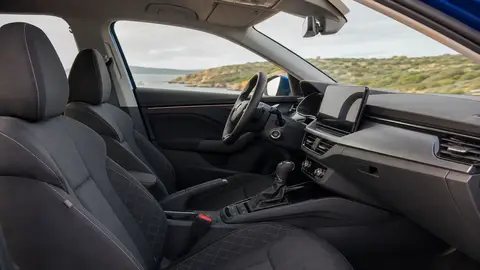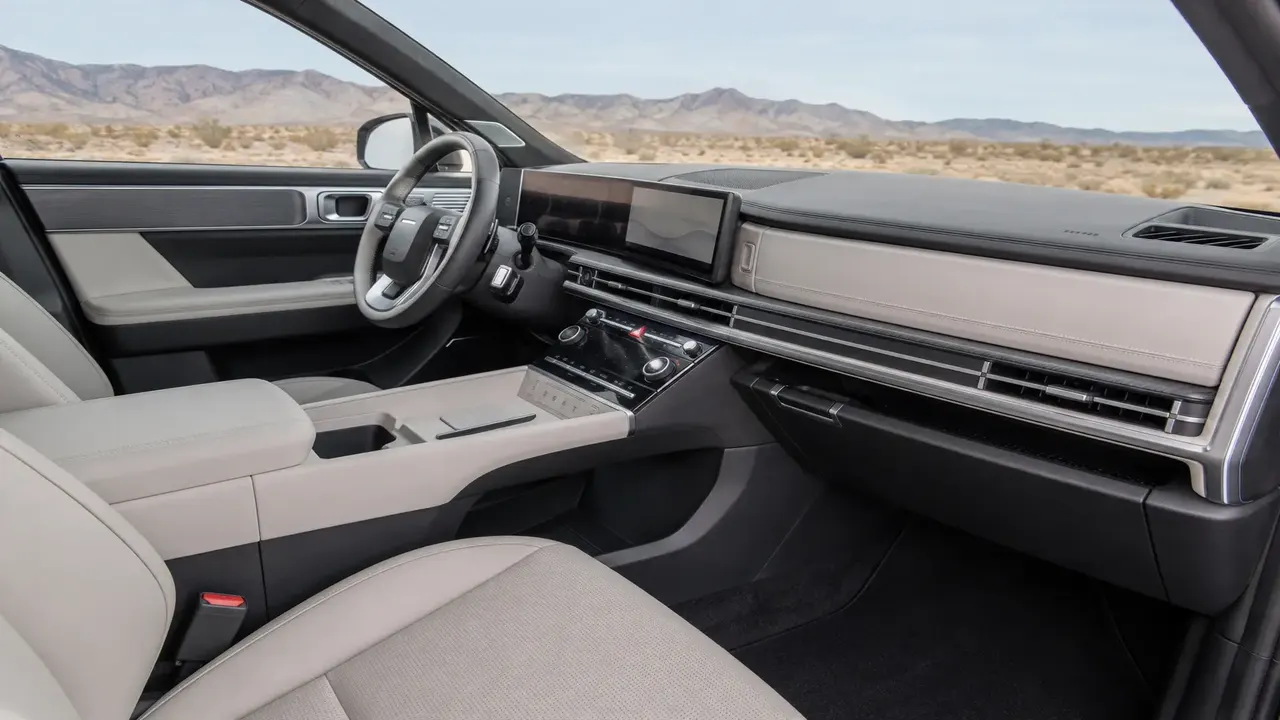
Center infotainment screens have grown from a typical 7-8 inches a decade ago to 10-15+ inches standard on many 2026 models, with some EVs offering 17-inch portrait displays or dual-screen dash setups. At the same time, a documented consumer and regulatory pushback against touchscreen-only controls — led by groups like Euro NCAP, which began scoring physical controls for key functions in its safety ratings from 2026 — is pushing several automakers (Hyundai, Porsche, Volkswagen) to reintroduce physical buttons and knobs for climate, volume, and hazard controls even as screens keep growing.
At a glance
| Era | Typical center screen size |
|---|---|
| ~2015 | 6-7 inches, often optional |
| ~2020 | 8-10 inches, standard on many trims |
| 2026 | 10-15+ inches; some EVs offer 15-17-inch portrait units |
| Counter-trend | Physical buttons returning for climate/volume/hazards on several brands |
The decade of the growing screen
Tesla's Model S popularized the idea of a large central touchscreen as the car's primary control surface, and much of the industry followed. Bigger screens are relatively cheap to differentiate on (a spec sheet number is easy to market), and consolidating buttons into software simplifies dashboard manufacturing and lets automakers push new features via over-the-air updates rather than new physical hardware.
Why the pushback started
The complaint that gained the most traction wasn't about screen size itself but about removing physical controls for frequently used functions like climate control, volume, and hazard lights — actions drivers want to do without looking. Studies from groups including Sweden's Vi Bilägare magazine and various safety researchers found that touchscreen-only interfaces for basic functions took drivers' eyes off the road measurably longer than physical switches, reviving interest in tactile controls.
What changed by 2026
- Euro NCAP's updated safety-rating protocol began factoring in physical controls for indicators, hazards, wipers, and horn starting with 2026-model assessments
- Hyundai and Genesis kept physical climate controls as a stated design principle across most models
- Volkswagen, criticized heavily for touch-sensitive-only steering wheel controls on the Mk8 Golf/ID.3 generation, reintroduced backlit physical buttons in later updates
- Porsche and several premium brands retained a hybrid approach — large screens plus a row of physical shortcut buttons below
Screen size and usability aren't the same thing
A larger screen doesn't automatically mean a better interface — menu depth, font size, and how many taps a common task requires matter more for real-world usability than diagonal inches. Some of the most-criticized systems (buried climate menus, tiny touch-sensitive sliders) come from large, high-resolution displays with poor software organization, while some smaller, well-organized systems test better for ease of use.
Very large single-piece displays can be expensive to replace if cracked or glitchy — repair costs for a 15-17-inch integrated touchscreen assembly can run well into four figures on some EVs, since it's often not a separately serviceable part from the dash structure.
What to look for on a test drive
Try the most common actions — adjusting cabin temperature, changing radio volume, and turning on hazards — without looking at the screen. If you can't do it by feel, that's a genuine usability issue regardless of how large or sharp the display is. Also check response lag and whether the screen supports wired or wireless CarPlay/Android Auto as a fallback interface you may prefer to the native software.
Frequently asked questions
Why are car infotainment screens getting bigger?
Are automakers bringing back physical buttons?
Does Euro NCAP penalize touchscreen-only controls?
Is a bigger infotainment screen actually better to use?
How much does it cost to repair a cracked infotainment screen?
Sources & further reading
- NHTSA — Vehicle Safety & Technology
- SAE International — Automotive Standards
- Consumer Reports — Car Technology
Figures, prices and policy details were current at the last-updated date above. Automotive pricing, incentives and regulations change frequently — verify time-sensitive details with the linked primary sources. Read our editorial policy and fact-checking standards.