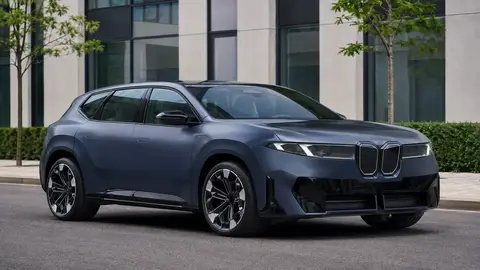
US drivers pay a national average of roughly $2,300-$2,600 a year for full coverage and $700-$900 for minimum liability-only coverage, but individual quotes swing by hundreds of dollars per insurer for identical coverage because pricing models weigh credit-based insurance scores, ZIP code and driving record differently. Gathering quotes from several carriers side by side — directly or through a comparison site — leaves price and coverage limits as the only variables to evaluate, not marketing.
True Motion Auto collects and presents information from official and primary sources (regulators, government bodies, lenders and insurers' published terms). This is general information, not personalised financial advice — check figures with the provider or a qualified adviser before acting. Jurisdiction: US. Last checked: August 2026.
Editorial oversight: Vasudha Gupta, Editor.
At a glance
| Factor | Typical premium impact |
|---|---|
| Full coverage vs. liability-only | Full coverage costs roughly 2.5-3x liability-only |
| One at-fault accident | Can raise premiums 30-50% for 3-5 years |
| Credit-based insurance score (where allowed) | Can shift premium by 20%+ between tiers |
| Bundling home + auto | Commonly saves 5-15% combined |
| Raising deductible $500 → $1,000 | Often cuts comprehensive/collision premium 10-20% |
How to run a clean comparison
Give every insurer one identical set of driver and vehicle details — or use a comparison site that submits one set to several carriers at once — and hold coverage limits constant, so you're not comparing a $500-deductible quote from one insurer against a $1,000-deductible quote from another. Quote comparison is a shopping aid, not an insurer itself — the actual policy is issued and serviced by the carrier you choose.
What actually moves your price
Auto insurers price risk using a mix of factors that vary in weight by state and company. Driving record and claims history matter everywhere. Where state law permits (most states except California, Hawaii and Massachusetts), a credit-based insurance score is one of the heavier factors — it's a different calculation from your regular credit score and does not appear on standard credit reports. Age, vehicle type, annual mileage, and even marital status can all shift the quote.
- Driving record — at-fault accidents and moving violations typically stay on your record for 3-5 years for pricing purposes.
- Coverage limits and deductible — higher liability limits and lower deductibles raise premiums.
- Vehicle — repair cost, safety rating and theft rate for that specific make/model/trim.
- Location — ZIP-code-level claims, theft and litigation rates.
- Usage — commute distance and annual mileage; low-mileage and usage-based programs can lower premiums for light drivers.
Liability-only vs. full coverage
State-minimum liability insurance covers damage and injury you cause to others — it does not pay to repair or replace your own car. Full coverage adds comprehensive (non-collision damage: theft, weather, animal strikes) and collision (crash damage regardless of fault). Lenders and lessors require full coverage for financed or leased vehicles. A common rule of thumb: once a car's value drops below roughly 10x the annual full-coverage premium, it's worth re-pricing whether comprehensive/collision still makes sense to carry.
Reading a quote correctly
- Compare identical liability limits (e.g., 100/300/100) across every quote, not just the total price.
- Check the collision and comprehensive deductibles match.
- Look for uninsured/underinsured motorist coverage — it's often optional and frequently skipped by mistake.
- Ask whether the quoted price is locked for the full policy term or subject to change after underwriting review.
Worked example
A driver with a clean record, financing a $28,000 sedan, requests quotes for 100/300/100 liability plus $500-deductible comprehensive/collision. Quotes might range from $1,650 to $2,050 a year for identical coverage — a swing of roughly $400 purely from how each insurer's model treats her ZIP code and vehicle. Because the coverage limits were held identical across requests, that $400 gap is a genuine price difference, not an artifact of comparing unlike policies.
Re-shop insurance at every renewal, not just when you buy a car — premiums drift for reasons unrelated to your driving. Comparison shopping like this produces estimates; it is not insurance advice, and the bound policy terms from the carrier you select control coverage.
Frequently asked questions
How often should I compare car insurance quotes?
Does getting multiple quotes hurt my credit score?
Why do quotes vary so much between insurers for the same driver?
What's the minimum insurance coverage required by law?
Can I bundle home and auto insurance for a discount?
Sources & further reading
- Insurance Information Institute — Auto Insurance Basics
- National Association of Insurance Commissioners (NAIC)
- Consumer Financial Protection Bureau — Insurance scores
Figures, prices and policy details were current at the last-updated date above. Automotive pricing, incentives and regulations change frequently — verify time-sensitive details with the linked primary sources. Read our editorial policy and fact-checking standards.