Note: costs mentioned below are given in US dollars as a general point of reference — actual prices vary by country, currency, and local market.
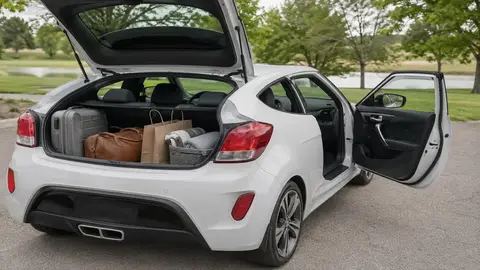
Fabric-sided collapsible cargo organizers cost $20-$60 and fold flat when not in use, ideal for keeping groceries or loose gear from sliding around. Rigid-wall collapsible plastic crates cost $25-$80, hold more weight without sagging, and stack when collapsed. Neither replaces proper tie-down for heavy items — they're organization tools, not restraint systems.
At a glance
| Type | Price band | Weight capacity |
|---|---|---|
| Fabric collapsible organizer | $20 - $60 | Light-moderate (10-30 lbs typical) |
| Rigid collapsible plastic crate | $25 - $80 | Moderate-heavy (30-60+ lbs typical) |
| Insulated collapsible cooler crate | $30 - $90 | Light-moderate, plus temp control |
Fabric vs. rigid-wall designs
Fabric collapsible organizers use a wire or plastic frame with soft fabric sides — they're lightweight, fold completely flat, and are good for keeping loose grocery bags or soft gear separated and upright, but they sag and lose shape under heavier or unevenly distributed loads. Rigid-wall collapsible crates use hinged plastic panels that fold down flat but lock rigid when set up, holding shape and weight far better — the tradeoff is slightly more bulk even collapsed, and a higher price.
What actually differs between cheap and better models
- Base reinforcement: a reinforced or weighted base keeps a collapsible crate from tipping when the vehicle turns or brakes; cheap models often lack this.
- Handle quality: sturdy carry handles matter if you're using the crate to move items from car to house, not just as in-vehicle storage.
- Water resistance: some models are just water-resistant at the base (fine for produce or dry goods); fully waterproof or insulated versions cost more and suit wet gear or perishables.
Sizing to your cargo area
Measure your trunk or cargo floor space before buying — most crates list collapsed and set-up dimensions; make sure the set-up size fits your typical loading configuration, not just the collapsed storage size. Multiple smaller crates are often more practical than one large crate, since they're easier to lift out individually and can be arranged around wheel wells or other cargo.
Common uses and mistakes
- Great for grocery runs, keeping produce and bagged items from tipping and spilling on turns.
- Useful for organizing recurring gear (sports equipment, work tools, pet supplies) that needs to come in and out regularly.
- Mistake: relying on a crate alone to secure genuinely heavy items — pair with a cargo net or tie-down strap for anything with real mass.
Collapsible crates are an organization convenience, not a safety restraint. For anything heavy enough to cause injury if it became a projectile in a hard stop, secure it with a proper tie-down strap or cargo barrier in addition to the crate.
Frequently asked questions
Are collapsible cargo crates strong enough for heavy items?
Do collapsible crates fit in a trunk with the crate assembled?
Can I use a collapsible crate as a cooler?
What's the difference between fabric and rigid collapsible crates?
Sources & further reading
Figures, prices and policy details were current at the last-updated date above. Automotive pricing, incentives and regulations change frequently — verify time-sensitive details with the linked primary sources. Read our editorial policy and fact-checking standards.