Note: costs mentioned below are given in US dollars as a general point of reference — actual prices vary by country, currency, and local market.
Basic hitch cargo baskets (open steel mesh) cost $80-$200, while enclosed weatherproof cargo bags to pair with them cost $50-$150 separately or $150-$350 as a combined basket-and-bag set. Weight capacity typically ranges from 300-500 lbs, but your hitch receiver's tongue weight rating — not just the carrier's stated capacity — is often the real limiting factor.
At a glance
| Item | Price band | Typical capacity |
|---|---|---|
| Open steel cargo basket | $80 - $200 | 300 - 500 lbs |
| Weatherproof cargo bag (standalone) | $50 - $150 | N/A (fits on basket or roof) |
| Folding hitch cargo carrier | $100 - $250 | 300 - 400 lbs |
What a hitch cargo carrier actually adds
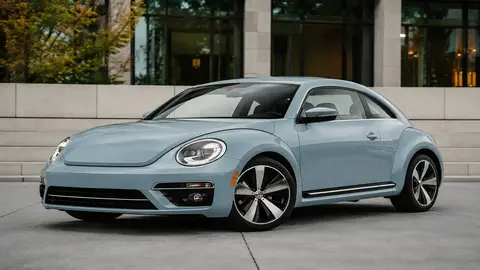
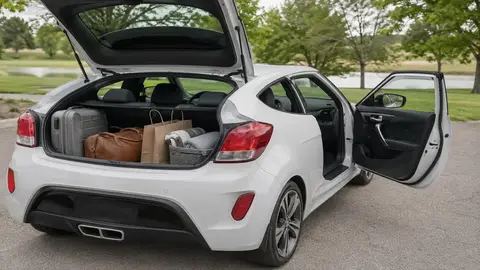
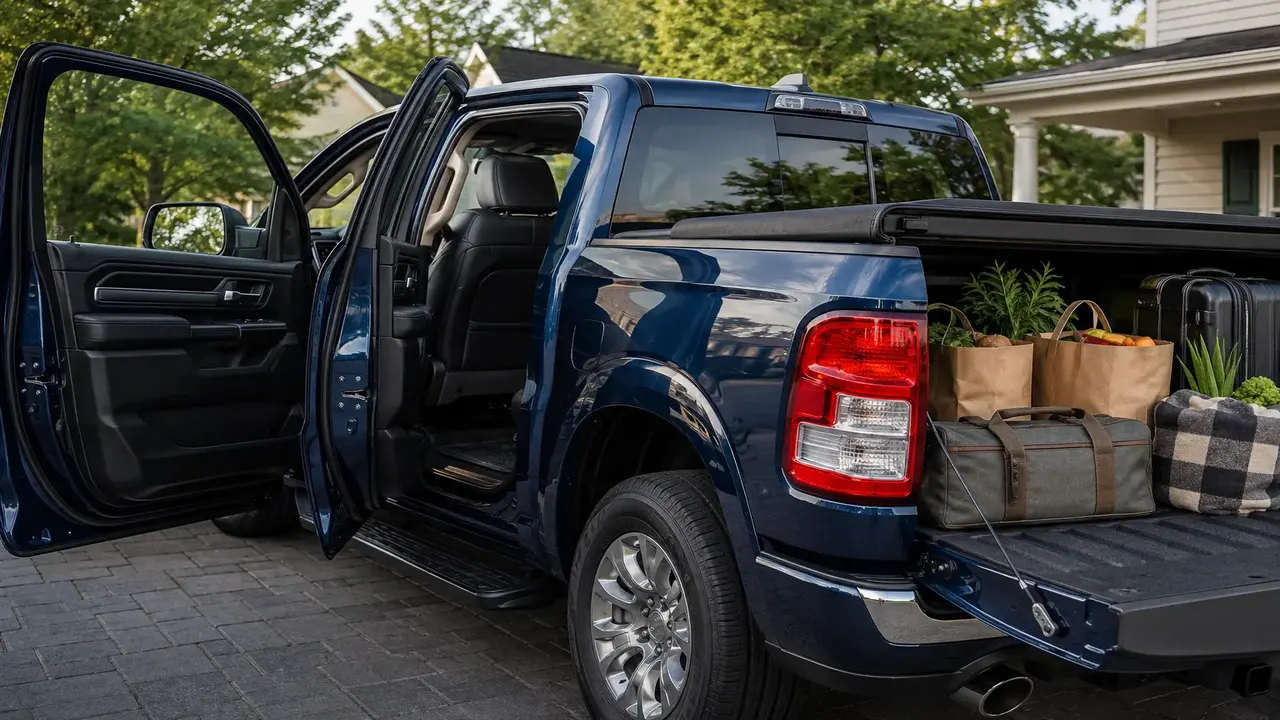
A hitch-mounted cargo carrier extends your usable cargo space behind the vehicle without the height, loading difficulty, or fuel-economy penalty of a roof box — useful for road trips where the trunk or cargo area alone isn't enough, especially in vehicles without much rear cargo room to begin with (sedans, coupes, smaller SUVs).
Basket vs. enclosed bag
An open steel basket is the base platform — durable, versatile, and can carry irregular or bulky items (coolers, camp gear) directly, but offers no weather protection on its own. Pairing it with a weatherproof cargo bag protects contents from rain and road spray on a trip; some manufacturers sell basket-and-bag combos sized to fit together properly, which is usually a better fit than mixing brands.
- Folding baskets fold up against the vehicle or fold flat for storage when not towing/carrying cargo — useful if you also need occasional trailer/tow access.
- Fixed (non-folding) baskets are simpler and often cheaper, but permanently occupy the hitch receiver.
- Ramp/step accessories are worth considering if you'll load heavy items (like a cooler) up onto the carrier regularly.
The hitch rating, not just the carrier rating, sets your real limit
A cargo carrier rated for 500 lbs doesn't mean you can load 500 lbs if your vehicle's hitch receiver and tongue weight rating are lower — check your vehicle's hitch class (1 through 5) and its specific tongue weight rating, then treat the lower of the two ratings (carrier vs. hitch) as your real limit. Also factor in that a loaded rear cargo carrier shifts weight backward, which can affect steering feel and headlight aim on some vehicles.
Practical tips
- Distribute weight evenly and keep heavier items low and centered on the basket to minimize rear-end sag and sway.
- Check for backup camera and rear sensor obstruction — a loaded or even empty carrier can block factory backup cameras on some vehicles.
- Verify state/local laws on rear license plate and taillight visibility if the carrier or cargo extends past the bumper.
A hitch cargo carrier that blocks your rear license plate or taillights can be a legal issue in many jurisdictions — check visibility after loading, not just with the carrier empty.
Frequently asked questions
How much weight can a hitch cargo carrier hold?
Does a hitch cargo carrier block my backup camera?
Is a hitch cargo carrier better than a roof box?
Do I need a Class 3 hitch for a cargo carrier?
Sources & further reading
Figures, prices and policy details were current at the last-updated date above. Automotive pricing, incentives and regulations change frequently — verify time-sensitive details with the linked primary sources. Read our editorial policy and fact-checking standards.