Note: costs mentioned below are given in US dollars as a general point of reference — actual prices vary by country, currency, and local market.
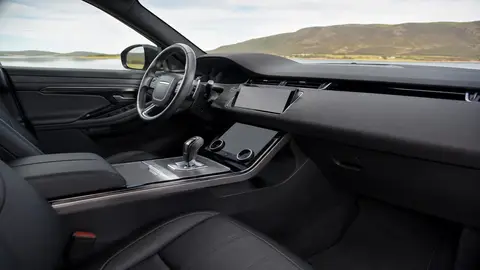
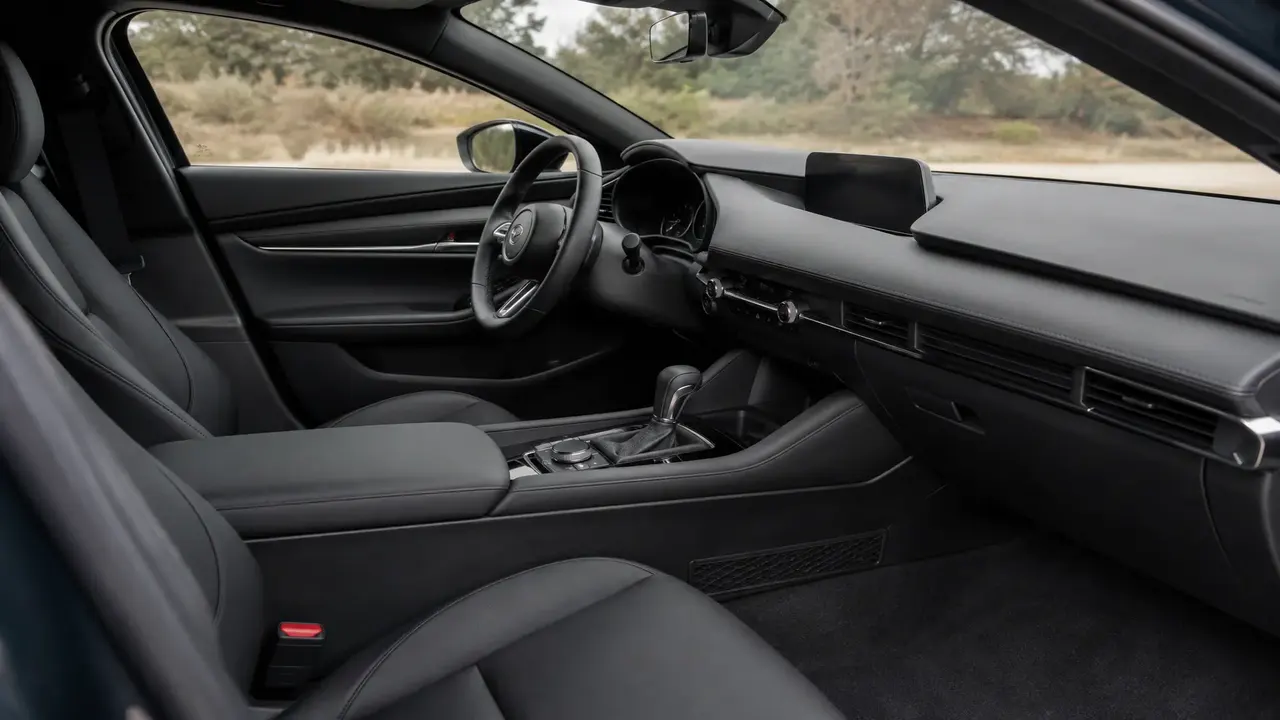
Universal trim-to-fit dash covers run $20-$45, custom-molded model-specific covers run $40-$90, and premium suede-like or carbon-look finishes run $70-$130. Dashboards crack primarily from years of UV exposure drying out the plastic or vinyl, and a dash cover blocks that direct sunlight — the tradeoff is that it must be cut or fitted to leave every sensor, camera, and speaker grille on the dash uncovered, since increasing numbers of vehicles hide ADAS sensors in that area.
At a glance
| Cover type | Price band | Fit precision |
|---|---|---|
| Universal trim-to-fit | $20-$45 | Requires cutting/trimming at home |
| Custom-molded model-specific | $40-$90 | Precise cutouts for vents/sensors |
| Premium suede/carbon-look finish | $70-$130 | Custom-molded, cosmetic upgrade |
| Reflective dash-and-windshield combo | $25-$50 | Covers dash + acts as parked sunshade |
Why dashboards actually crack
Dashboard plastics and vinyl are engineered to withstand heat, but prolonged UV exposure breaks down the plasticizers that keep the material flexible, leading to the fading, warping, and eventual cracking common on cars regularly parked outdoors in sunny climates. A dash cover works by physically blocking that direct UV path, which is also why a windshield sunshade (covered in our separate guide) helps indirectly by reducing overall cabin heat buildup even though it doesn't sit on the dash itself.
Custom-molded vs universal trim-to-fit
- Custom-molded covers are made to your exact dashboard shape, with cutouts pre-positioned for vents, the windshield-mounted camera housing, and any sensor clusters
- Universal covers are cut oversized and trimmed at home — cheaper, but risk covering a sensor or vent if not carefully measured first
- Always confirm your vehicle's ADAS camera/rain-sensor housing near the windshield base is left uncovered, since many forward-collision and lane-keep systems rely on a clear view through that exact area
Material and finish options
| Material | Pros | Cons |
|---|---|---|
| Vinyl/PVC | Cheapest, water resistant | Can itself degrade in UV over years |
| Suede-like microfiber | Reduces glare, premium look | Shows dust/stains more visibly |
| Carbon-fiber-look composite | Durable, modern appearance | Costs more, limited model coverage |
Installation and fit checklist
- Identify every sensor, camera, and vent opening on your dash before ordering
- For universal covers, dry-fit and mark cutout locations before cutting anything
- Secure with the provided fasteners/straps rather than adhesive alone, since heat can weaken adhesive over time
- Recheck fit after the first hot week — materials can shift slightly as they settle
Never cover a windshield-mounted ADAS camera, rain sensor, or dash-top sensor cluster. Blocking these can disable or degrade forward-collision warning, automatic emergency braking, or lane-keep assist.
Who benefits most
Drivers in hot, sunny climates who park outdoors daily see the clearest benefit, since UV exposure — not indoor storage — is the main driver of dash cracking. Garage-kept vehicles in milder climates get comparatively little functional benefit and may only value the cosmetic upgrade a premium finish provides.
Frequently asked questions
Do dashboard covers actually prevent cracking?
Will a dashboard cover interfere with my car's safety sensors?
Can I use a dashboard cover instead of a windshield sunshade?
How do I clean a dashboard cover?
Will installing this accessory void my car's warranty?
Sources & further reading
Figures, prices and policy details were current at the last-updated date above. Automotive pricing, incentives and regulations change frequently — verify time-sensitive details with the linked primary sources. Read our editorial policy and fact-checking standards.