Note: costs mentioned below are given in US dollars as a general point of reference — actual prices vary by country, currency, and local market.
Basic slip-on stretch covers run $8-$20, lace-up leather-look covers run $15-$35, and heated 12V steering wheel covers run $25-$60. Before buying, measure your wheel's outer diameter and grip circumference — a cover sized wrong will either not stay seated or bunch unevenly. Whatever style you choose, it must never extend onto or bulk up the center airbag module or interfere with the horn button, since both are safety-critical in a crash.
At a glance
| Cover type | Price band | Install method |
|---|---|---|
| Stretch slip-on cover | $8-$20 | Stretches directly over the rim |
| Lace-up (bungee-style) cover | $15-$35 | Threaded and tied around the rim |
| Heated 12V wheel cover | $25-$60 | Slip-on or lace-up, plugs into 12V socket |
| Wood-grain/premium custom cover | $30-$70 | Often model-specific, snap or lace fit |
Sizing correctly before you buy
Steering wheel covers are sized by outer wheel diameter (commonly 14.5-15.5 inches for most passenger cars) and sometimes by grip circumference. A cover too small will crack or tear trying to stretch over the rim; one too large will bunch and shift under your hands exactly when grip matters most. Measure across the wheel's widest point, not around the grip, and check the manufacturer's stated size range rather than assuming 'universal' fits your specific wheel.
Stretch slip-on vs lace-up
- Stretch slip-on covers: fastest to install, cheapest, but can develop wrinkles or slip slightly over time on wheels with an unusual rim profile
- Lace-up (bungee-cord) covers: take 10-20 minutes to install by threading cord through pre-punched holes, but conform more precisely and stay seated longer
- Heated covers: add a low-voltage heating element and plug into the 12V socket, useful in cold climates but adds a cord to manage near the column
The airbag and horn clearance rule
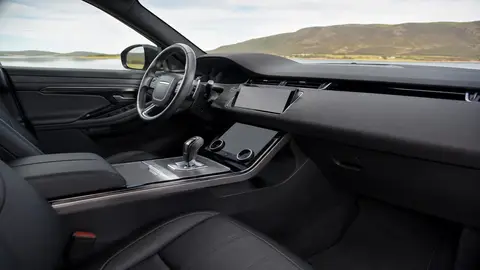
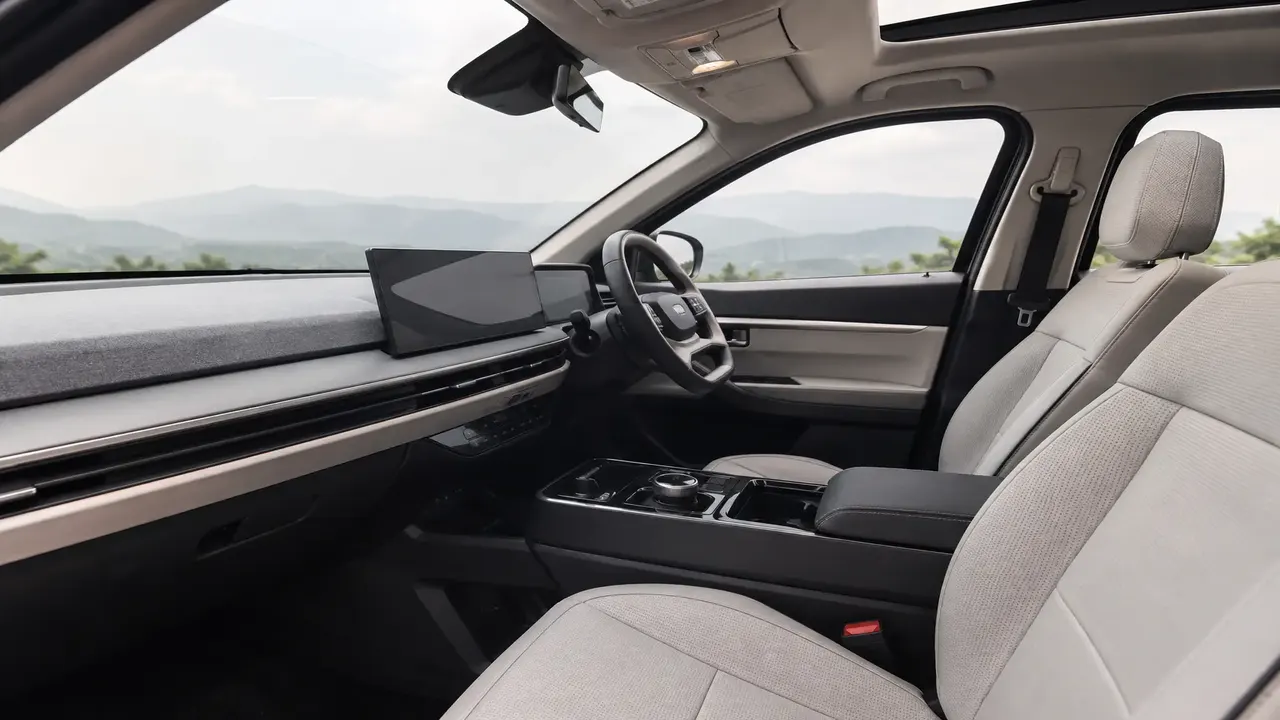
Every steering wheel cover should sit entirely on the outer rim and never extend inward toward the hub, spokes, or center pad where the driver airbag module and horn button are housed. A cover that bulks up or partially covers that center area can interfere with horn function in daily use and, more seriously, is a documented safety concern around airbag deployment clearance. This is a well-established rule from vehicle safety authorities: nothing should be added to a steering wheel that could obstruct airbag deployment or the driver's ability to sound the horn.
| Wheel zone | Cover should: |
|---|---|
| Outer rim | Cover fully — this is the intended fit area |
| Spokes | Leave uncovered unless the product explicitly extends there by design |
| Center hub/airbag pad | Never cover or bulk up this area |
Materials and grip
- Microfiber/leather-look: good grip in most conditions, moderate durability
- Silicone: excellent grip when wet or sweaty, can feel tacky in extreme heat
- Wood-grain composite: a styling choice more than a functional grip upgrade, often thinner
- Heated fabric blends: prioritize even heat distribution and a low-profile heating element that doesn't add excessive bulk
Never install a steering wheel cover that extends onto or bulks up the center airbag module, and confirm the horn button remains fully functional after installation. This is one of the few accessories in this category with a direct, documented crash-safety implication.
Who benefits most
Drivers with worn, cracked, or overly slick factory wheel surfaces get the most functional benefit, as do those in cold climates who want a heated option. Drivers whose wheel is already in good condition with adequate grip mainly gain a cosmetic upgrade rather than a functional one.
Frequently asked questions
Do steering wheel covers interfere with the airbag?
How do I measure my steering wheel for a cover?
Are lace-up covers better than slip-on covers?
Do heated steering wheel covers use a lot of power?
Will installing this accessory void my car's warranty?
Sources & further reading
Figures, prices and policy details were current at the last-updated date above. Automotive pricing, incentives and regulations change frequently — verify time-sensitive details with the linked primary sources. Read our editorial policy and fact-checking standards.