Note: costs mentioned below are given in US dollars as a general point of reference — actual prices vary by country, currency, and local market.
Universal-fit seat covers cost $30-$100 per set and stretch to roughly fit most seats, while custom-fit covers (cut to a specific make/model/year) run $100-$400+ and preserve access to seat controls, airbags, and stitching lines. Neoprene and leatherette are the most water/stain-resistant materials; canvas and polyester twill are more breathable and affordable. Always confirm your seats have side-impact (seat-mounted) airbags before buying non-airbag-compatible covers.
At a glance
| Type | Typical price | Fit quality |
|---|---|---|
| Universal | $30-$100 | Stretch-fit, works loosely across many seat shapes |
| Custom/semi-custom | $100-$400+ | Cut to exact seat contours and control cutouts |
| Neoprene | $60-$200 | Best water/stain resistance |
| Canvas/twill | $40-$150 | Breathable, budget-friendly |
Universal vs. custom-fit
Universal covers use stretchy fabric and elastic edges to approximate a fit across a wide range of seat shapes — cheap and quick, but often loose around headrests, levers, or seat-mounted airbags. Custom-fit covers are cut and sewn to a specific vehicle's seat pattern, matching cutouts for controls, cupholders, and airbags precisely, at a meaningfully higher price.
Material tradeoffs
- Neoprene — the go-to for wet, muddy, or sandy use (surfers, hikers, dog owners); water-resistant and easy to wipe down, but can feel less breathable in hot climates.
- Leatherette/faux leather — wipes clean easily and gives a dressier look, but can feel hot in direct sun and shows scratches more than fabric.
- Canvas/twill — durable and breathable, a common choice for work trucks and everyday family use, though it absorbs spills rather than repelling them.
- Sheepskin/plush — comfort and warmth focused rather than protection focused; not the right pick if the goal is spill/stain defense.
What to check before buying
- Side-impact airbag compatibility — a critical safety check; airbag-compatible covers have a seam designed to tear away cleanly during deployment, non-compatible covers can block or delay airbag function.
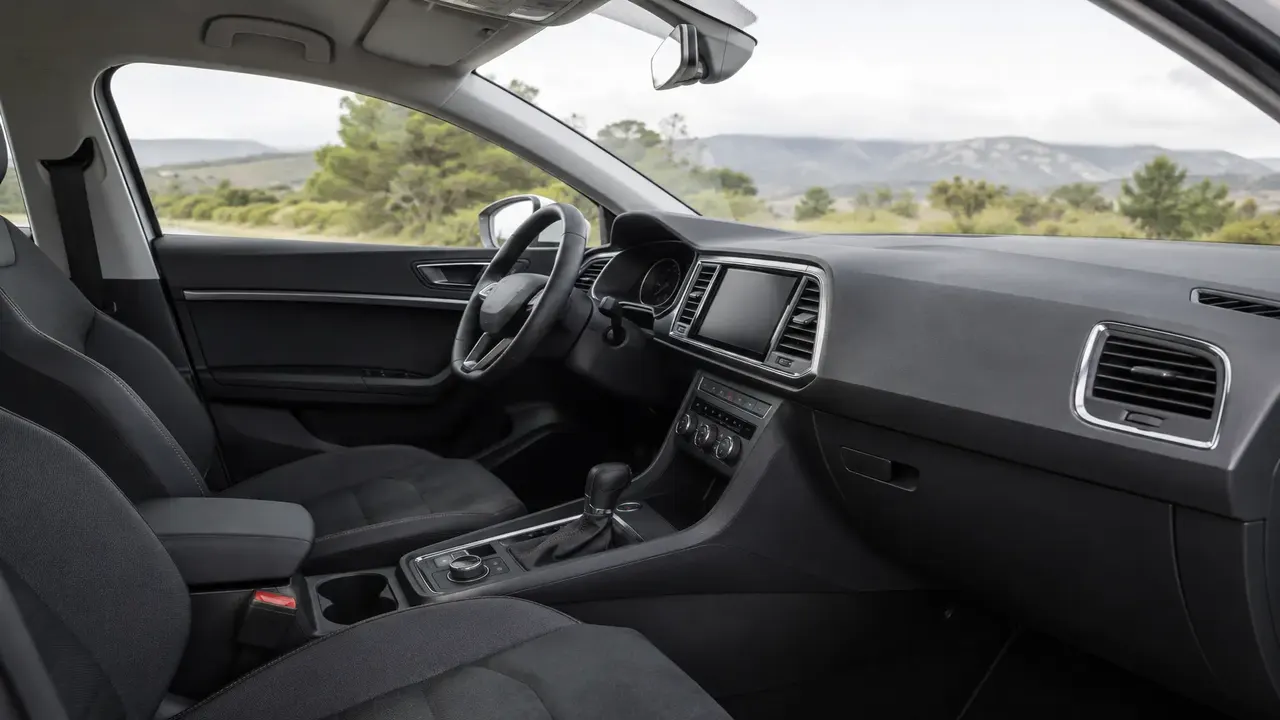
- Seat type match — bucket seats, bench seats, and seats with built-in armrests or lumbar controls need covers designed for that layout.
- Headrest and cutout fit — cheap universal covers often bunch awkwardly around headrests or seatbelt buckles.
- Installation method — hook straps, elastic hems, and zippers all affect how snug and wrinkle-free the final fit looks.
- Washability — machine-washable fabric covers are easier to maintain long-term than wipe-only synthetic materials that can crack.
Never install a seat cover that isn't airbag-compatible on a seat with a side-impact airbag — it can prevent the airbag from deploying correctly in a crash.
Who should buy custom vs. universal
Universal covers suit budget shoppers, temporary protection (moving, road trips), or older vehicles without seat-integrated airbags. Custom-fit covers are worth the extra cost for daily drivers, vehicles with seat-mounted airbags, or anyone who wants a factory-look finish rather than a visibly aftermarket one.
Frequently asked questions
Do seat covers work with side airbags?
Are custom seat covers worth the extra cost over universal ones?
What material seat cover is best for dogs or muddy gear?
Can I machine wash seat covers?
Sources & further reading
- National Highway Traffic Safety Administration — airbag safety information
- Consumer Reports — car seat cover and interior accessory guidance
Figures, prices and policy details were current at the last-updated date above. Automotive pricing, incentives and regulations change frequently — verify time-sensitive details with the linked primary sources. Read our editorial policy and fact-checking standards.